Start with the clothes you already wear
The most versatile accessories are not necessarily the plainest ones. They are the pieces you will reach for with your actual wardrobe. Before buying anything, look at a few outfits you wear regularly: perhaps jeans and a shirt, a simple dress, or trousers and a knit. Notice their colors, shapes and level of formality. A small collection should make those outfits feel complete, rather than require you to build new outfits around every accessory.
Think about your routine, too. If you walk a lot, a bag that stays comfortably on your shoulder may be more useful than one you have to carry by hand. If you rarely wear belts, you do not need one merely because it appears on a checklist. Choose one or two accessory categories that would make the biggest difference to your everyday outfits, and begin there.
Choose a practical foundation
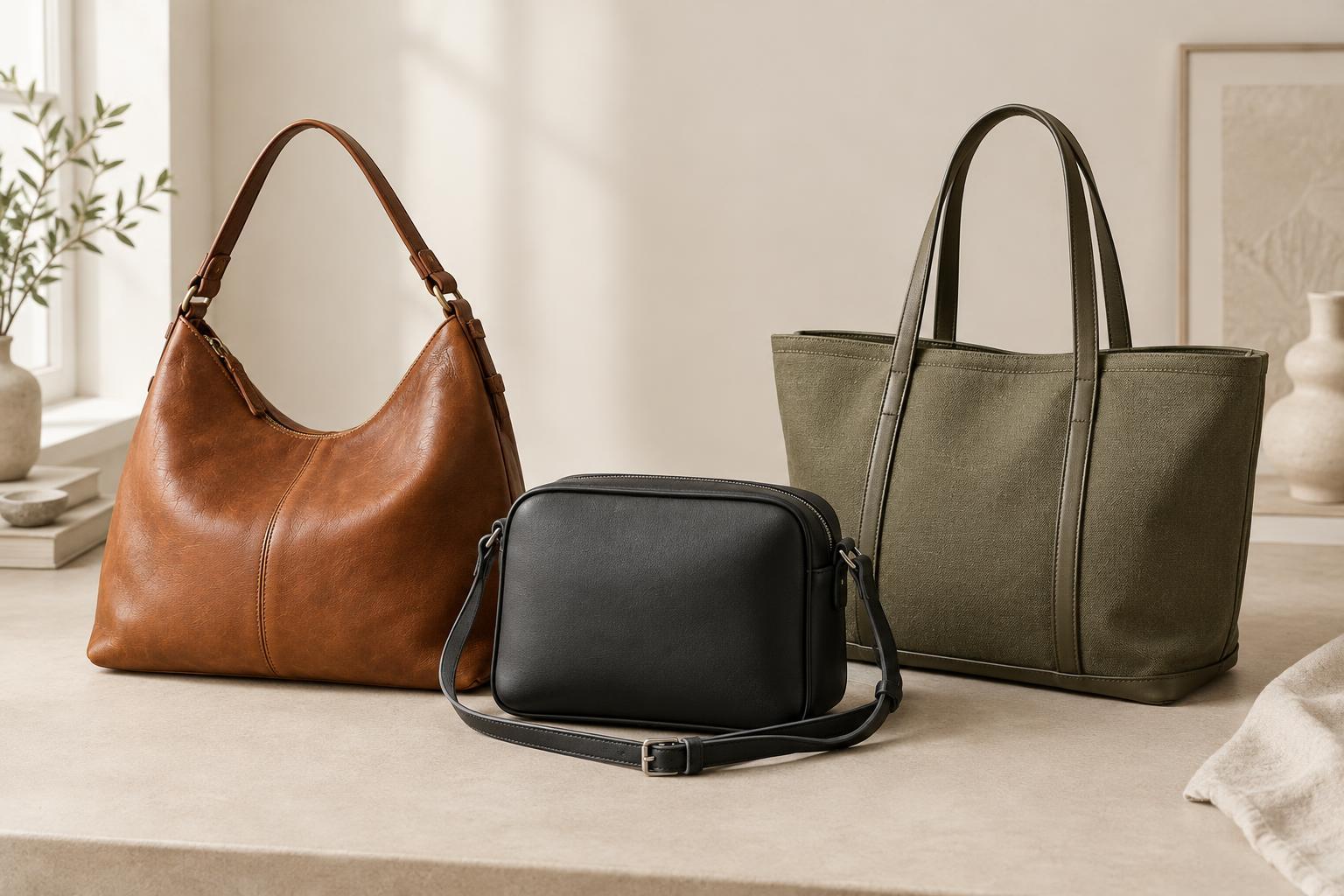
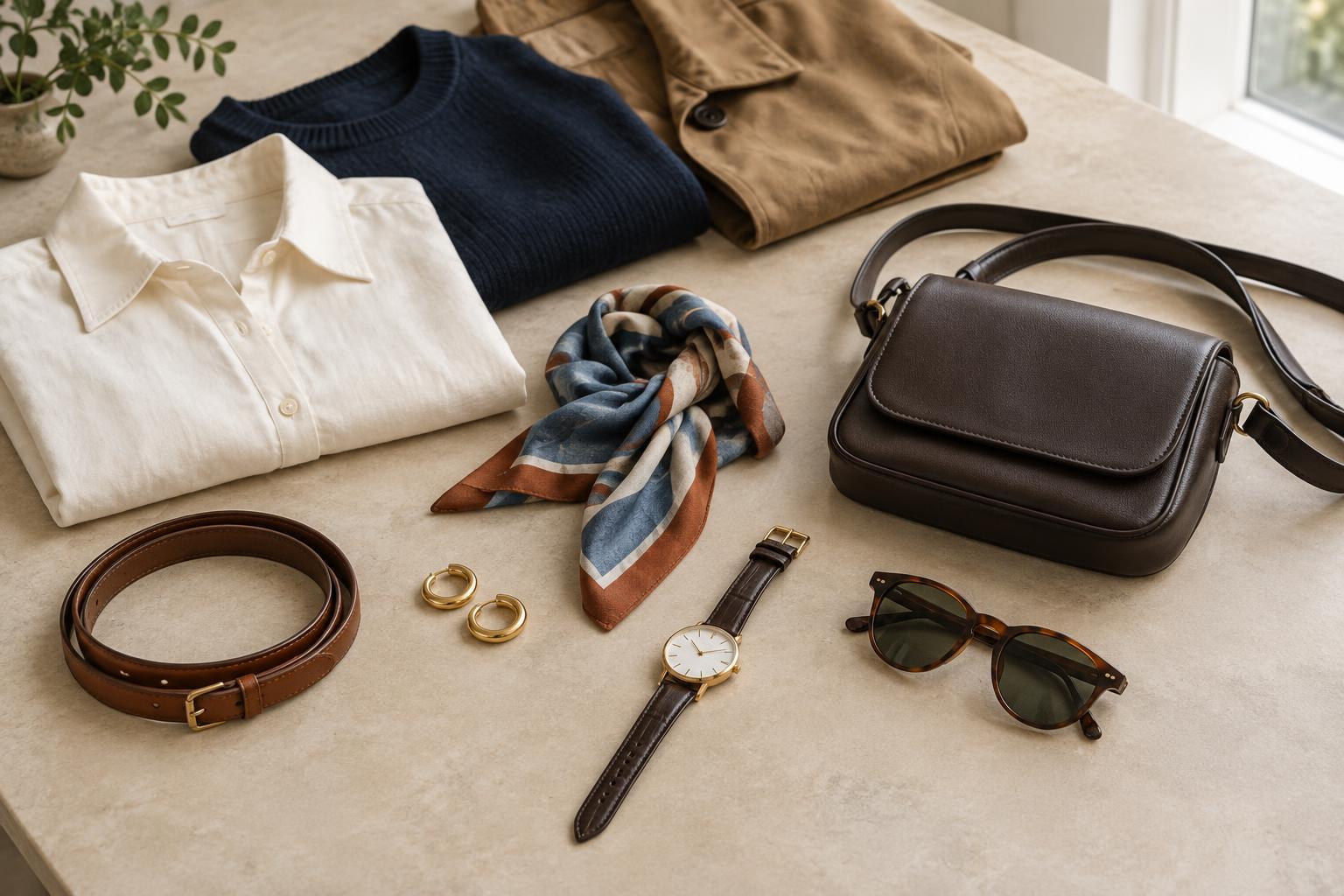
A compact starting point might include an everyday bag, a belt if your clothes call for one, and one or two pieces of jewelry you enjoy wearing. You could add a scarf, hat or pair of sunglasses according to your climate and habits. This is a menu, not a required shopping list. A person who wears earrings daily may get more use from two different pairs than from a belt that stays in the closet.
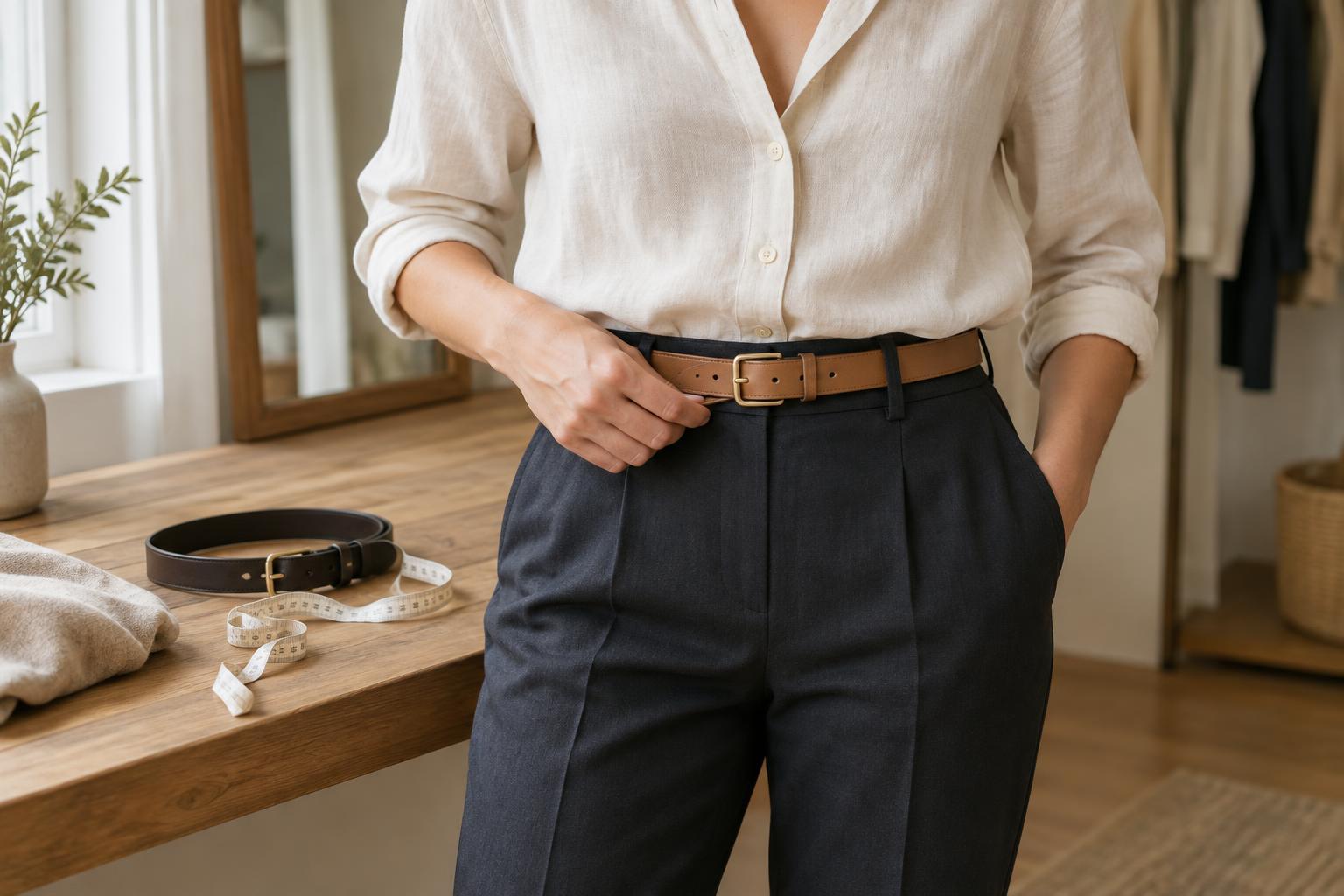
For each item, test its usefulness across several outfits. A bag should hold what you normally carry and work with more than one type of look. A belt should fit the waistbands or dresses you intend to wear it with. Jewelry should feel comfortable for the length of time you usually keep it on. These small checks help prevent a collection of attractive pieces that are difficult to use.
Build links between colors and finishes
You do not need every accessory to match. Instead, look for a few visual links that make combinations feel intentional. A dark bag can connect with dark shoes; a warm-colored scarf can pick up a shade in a patterned shirt. If most of your clothes are neutral, one accessory in a favorite accent color may work across many outfits. If your wardrobe already has plenty of color, texture can add interest without introducing another competing shade.
The same flexible approach works for metal finishes. Wearing the same finish on every piece creates a coordinated look, but mixing finishes can look balanced when each appears more than once. You might pair a silver necklace with earrings that include both silver and gold tones. Let your preferences guide you: consistency is a useful shortcut, not a rule you have to follow.
Use proportion and personality to make outfits your own
Accessories can change the mood of familiar clothes without changing the clothes themselves. A narrow belt and small earrings can keep an outfit quiet and streamlined; a broad scarf or striking pendant can become its focal point. When getting dressed, try choosing one piece to draw attention and letting the others support it. That makes it easier to wear a distinctive accessory often, rather than saving it for a perfect occasion.
Consider proportion alongside color. A large bag may feel balanced with roomy layers, while a smaller one may suit a pared-back outfit. Try combinations in a mirror, then move around as you normally would. An accessory that looks good but slips, catches or feels heavy may not earn much wear. Your collection should reflect both how you like to look and how you like to feel.
Add slowly and care for what you keep
There is no need to purchase a complete collection at once. Wear your starting pieces for a while and notice what is missing. If you repeatedly wish for a hands-free bag, a brighter accent or a dressier pair of earrings, you have a clearer reason to add one. Shopping your own drawers first, considering secondhand pieces, or setting a spending limit can also help you make deliberate choices at a budget that suits you.
Simple care can keep a small collection ready to wear. Store jewelry so pieces do not tangle, give bags enough space to hold their shape, and check the care guidance before cleaning scarves or other delicate materials. Put frequently used accessories somewhere visible and return them there after wearing. When every piece is easy to find and works with several outfits, a modest collection can offer plenty of variety.