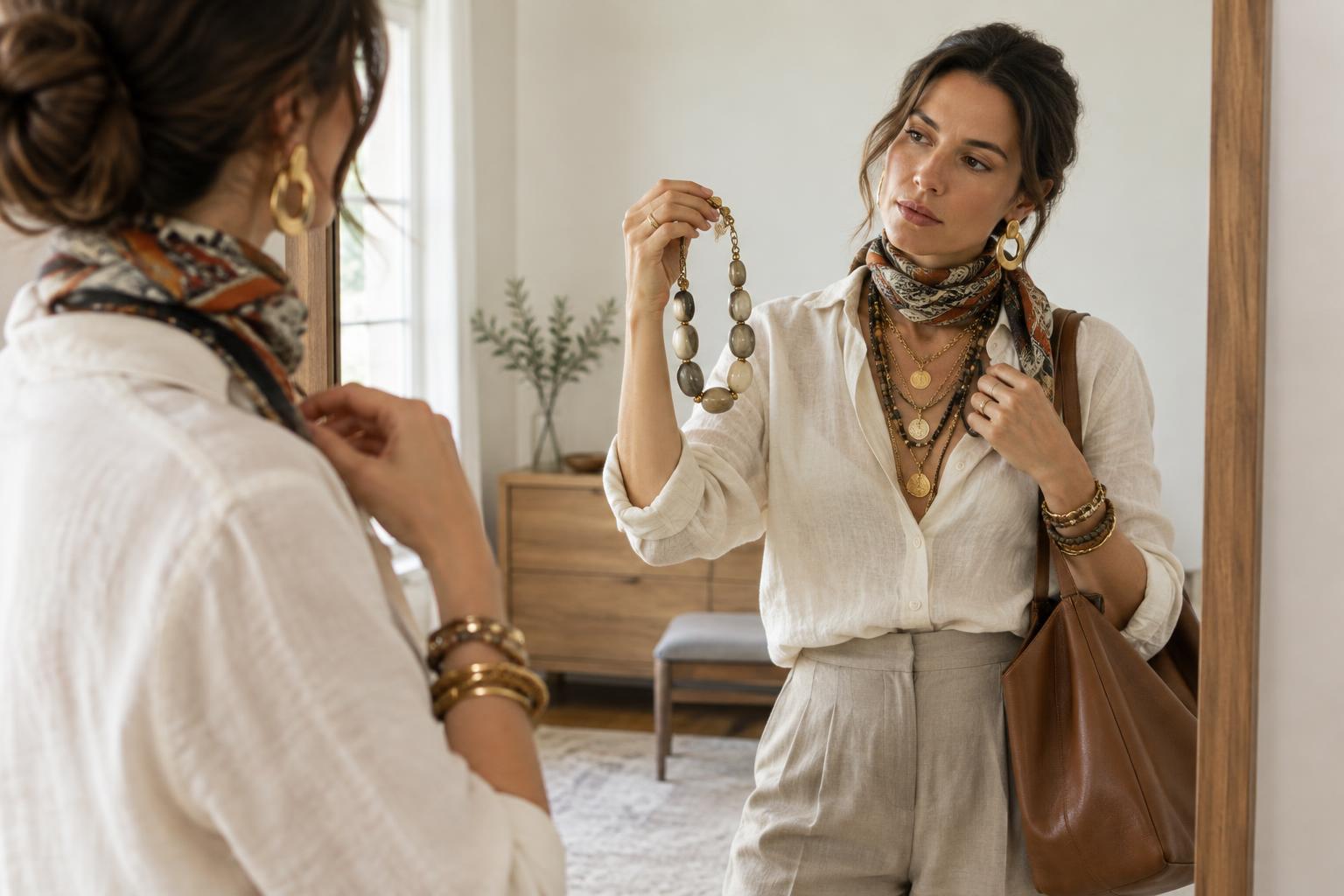
Start with the kind of damage you want to prevent
Accessory storage becomes easier when you sort by what each item needs, rather than trying to fit everything into one drawer. Fine chains need separation so they cannot knot together. Polished jewelry and sunglasses need protection from harder objects. Hats, bags and wide belts need room or gentle support to keep their shape. A few small storage zones often work better than one large container where everything shifts whenever you reach inside.
Begin by emptying the space you currently use and grouping similar pieces. Set aside anything that needs cleaning or repair before putting it back. Then match the storage method to how often you wear each item. Daily favorites should be visible or easy to reach; occasional pieces can go in labeled boxes or soft pouches. You are more likely to keep a system tidy if putting an accessory away takes only a moment.
Give jewelry its own space
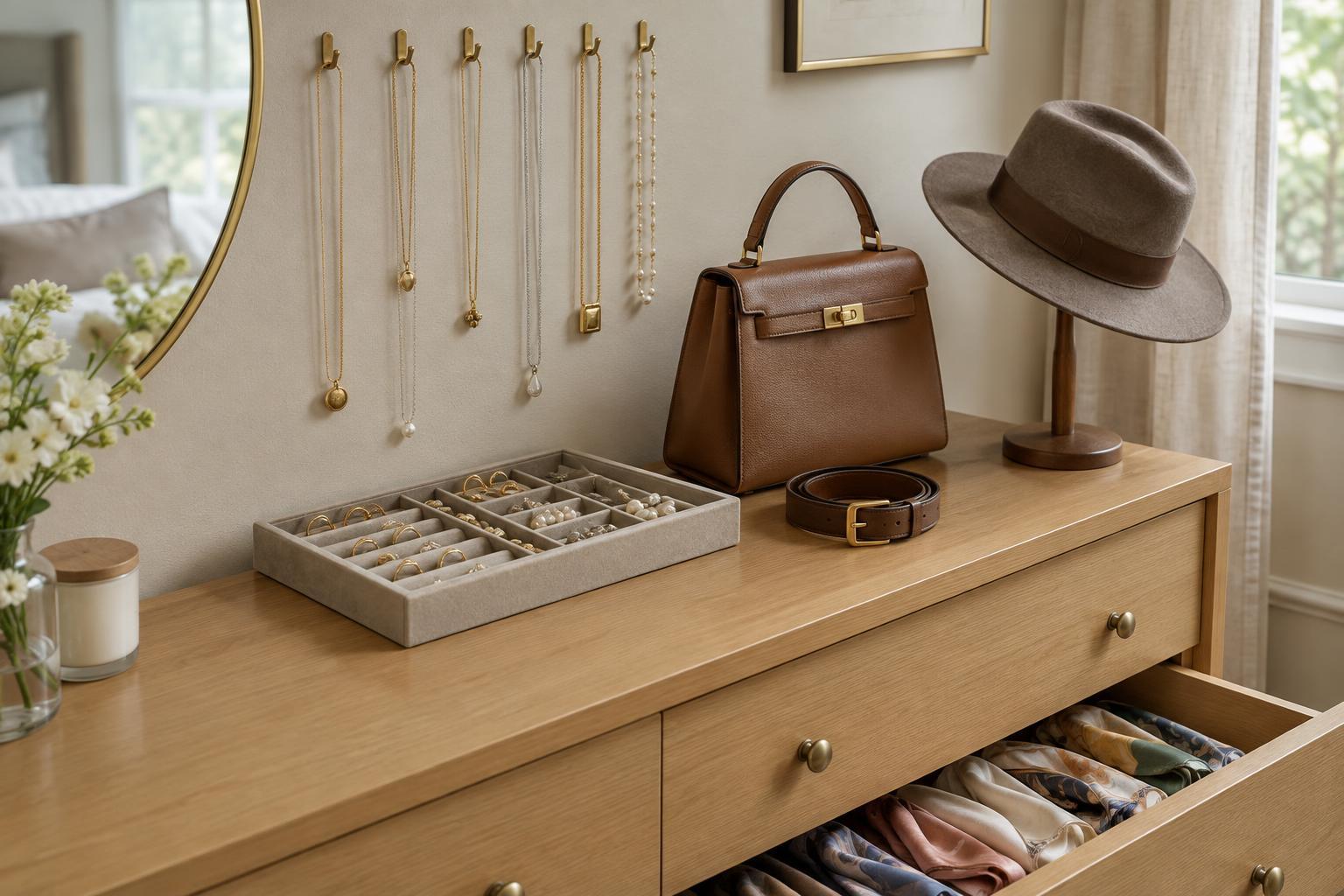
To reduce tangles, fasten necklace clasps before storage and keep each chain separate. Individual hooks, divided trays and small pouches all work; choose a method that lets you lift one necklace without pulling on another. If you use a drawer, shallow compartments help prevent chains from sliding into a pile. For particularly fine chains, laying each one flat may be easier than hanging several close together.
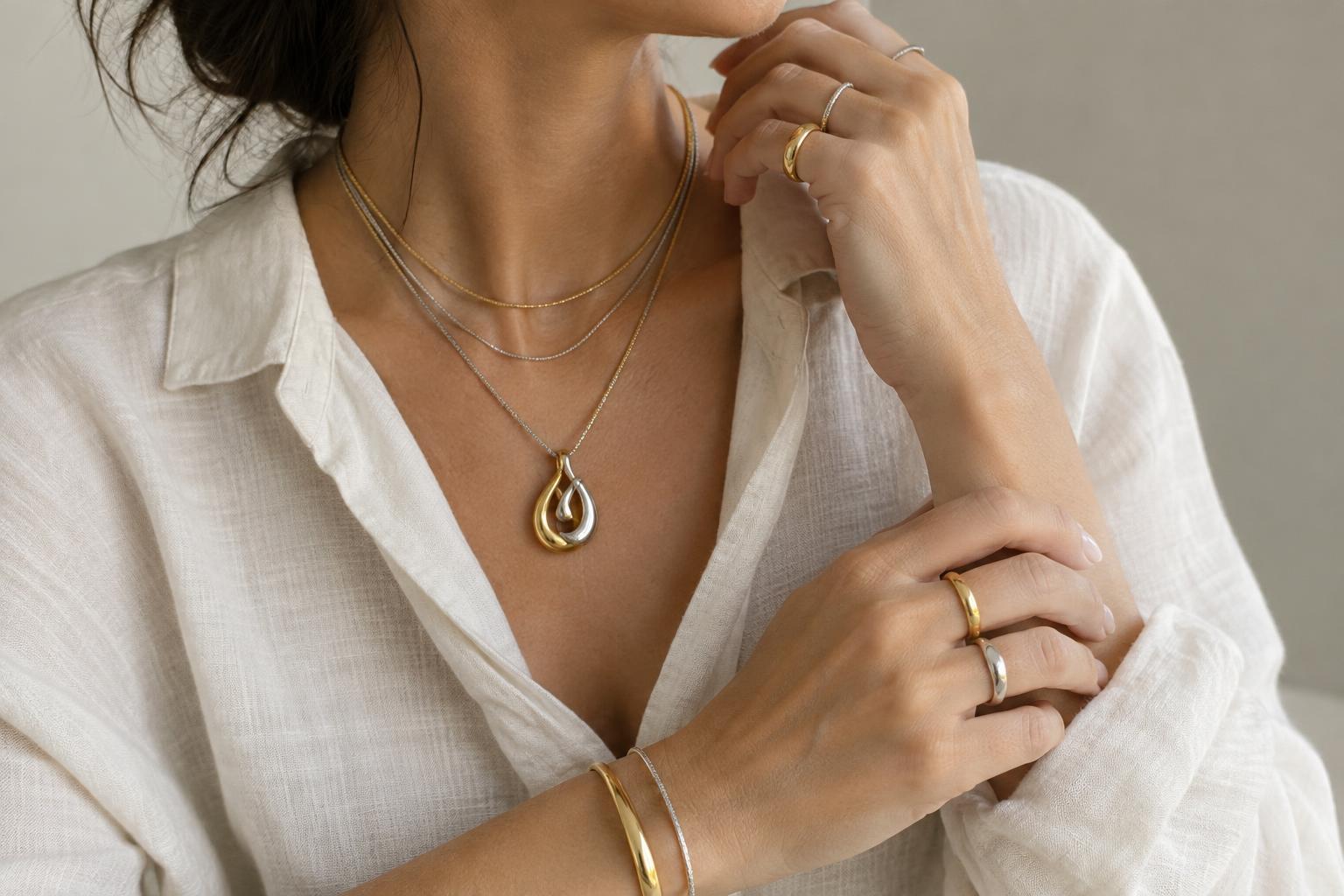
Store rings, earrings and bracelets so hard edges do not rub against more delicate finishes. A lined tray is useful, but clean pieces of soft fabric or separate small boxes can serve the same purpose. Keep earring pairs together using compartments or a holder designed for their backs. If an item came with care instructions or a protective pouch, use those as a guide: different metals, stones and finishes may have different storage needs.
Protect surfaces from scratches and snags
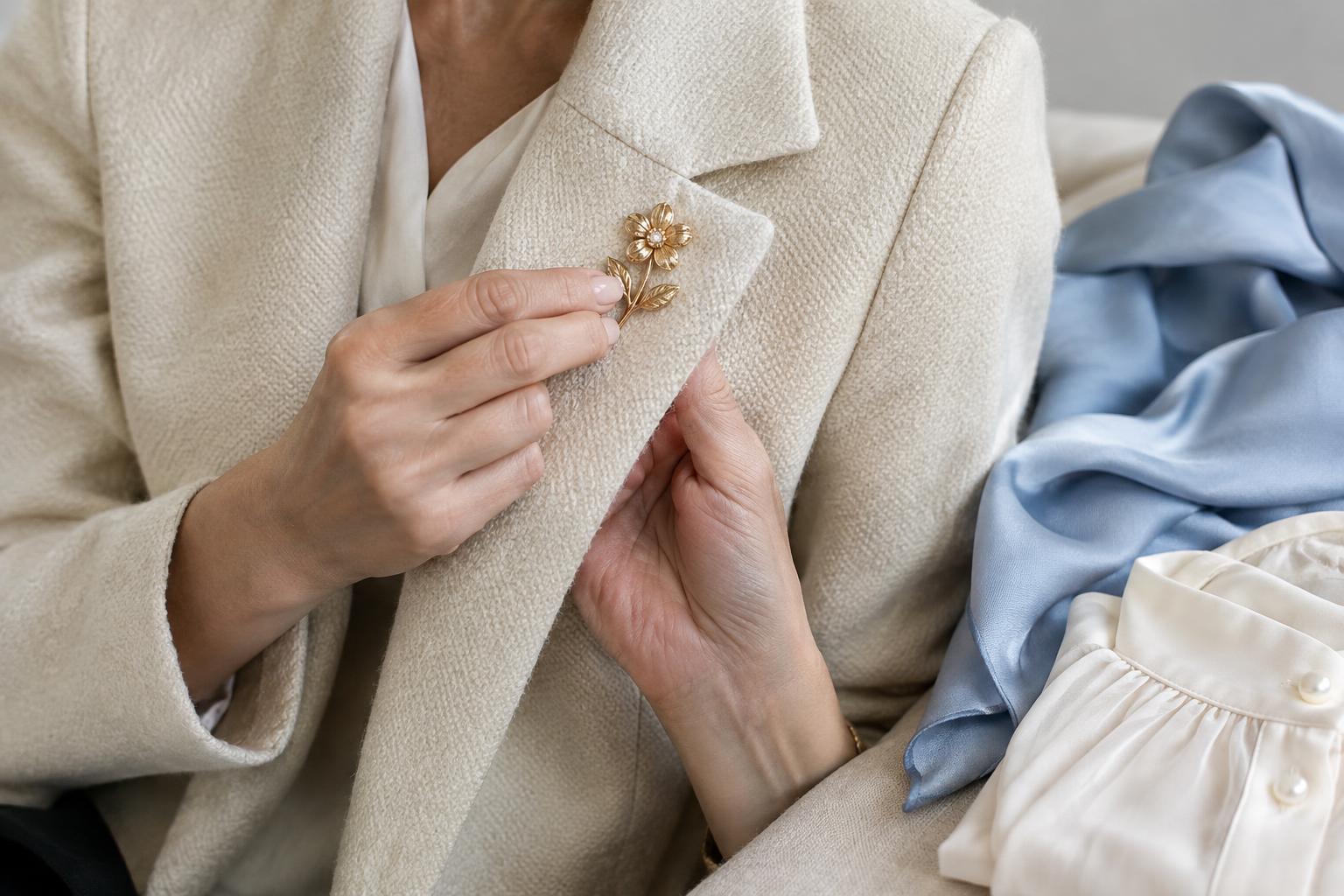
Sunglasses are easiest to protect in a case that keeps pressure off the lenses. If you display them on a shelf, give each pair enough space that frames cannot knock against other objects. Hair clips, brooches and pins also benefit from separate compartments: their fasteners can scratch smooth surfaces or catch on fabric. Close clasps and covers where possible before putting these pieces away.
Scarves can be folded, loosely rolled or hung, depending on their fabric and the space available. The aim is to avoid crowded storage and rough hooks that might snag a weave. Lightweight scarves can sit in a drawer with dividers; heavier ones may do better folded on a shelf. If you hang a scarf, check that the hanger or rail is smooth and that the fabric is not being stretched by its own weight.
Support the shape of hats, bags and belts
Structured accessories need enough room to rest without being crushed. Place hats on a shelf or in a suitable box rather than stacking heavy items on their crowns or brims. A soft hat may fold more readily than a structured one, but follow any care guidance that came with it. For bags, empty out receipts and loose objects, close zippers, and fill the interior lightly with clean tissue or soft fabric if it needs support.
Avoid hanging a heavy bag by its strap for long periods if the strap or body begins to stretch. A shelf gives the base more even support. Keep bags from pressing tightly against one another, especially if they have buckles or textured hardware. Belts can be loosely coiled in a drawer or hung from a smooth rack; avoid sharp folds, particularly with stiffer materials. Leave a little breathing room around each piece so retrieving one does not disturb the rest.
Build a routine that is easy to maintain
Choose a storage spot away from obvious moisture, direct sunlight and heat where practical, since these conditions may affect some materials over time. Put accessories away clean and dry, rather than sealing in dampness or residue. You do not need matching organizers throughout your wardrobe: a drawer divider, a few pouches and a clear shelf can solve most everyday problems. Test the arrangement for a week and adjust any spot that keeps turning into a pile.
Travel calls for the same principles on a smaller scale. Fasten chains, separate pieces that could rub together, use a case for glasses, and avoid packing structured accessories beneath heavy clothing. When you return, unpack accessories alongside your clothes instead of leaving them in a bag. A consistent place for each item helps prevent damage—and makes finishing an outfit much simpler.