Start with the fabric, not the brooch
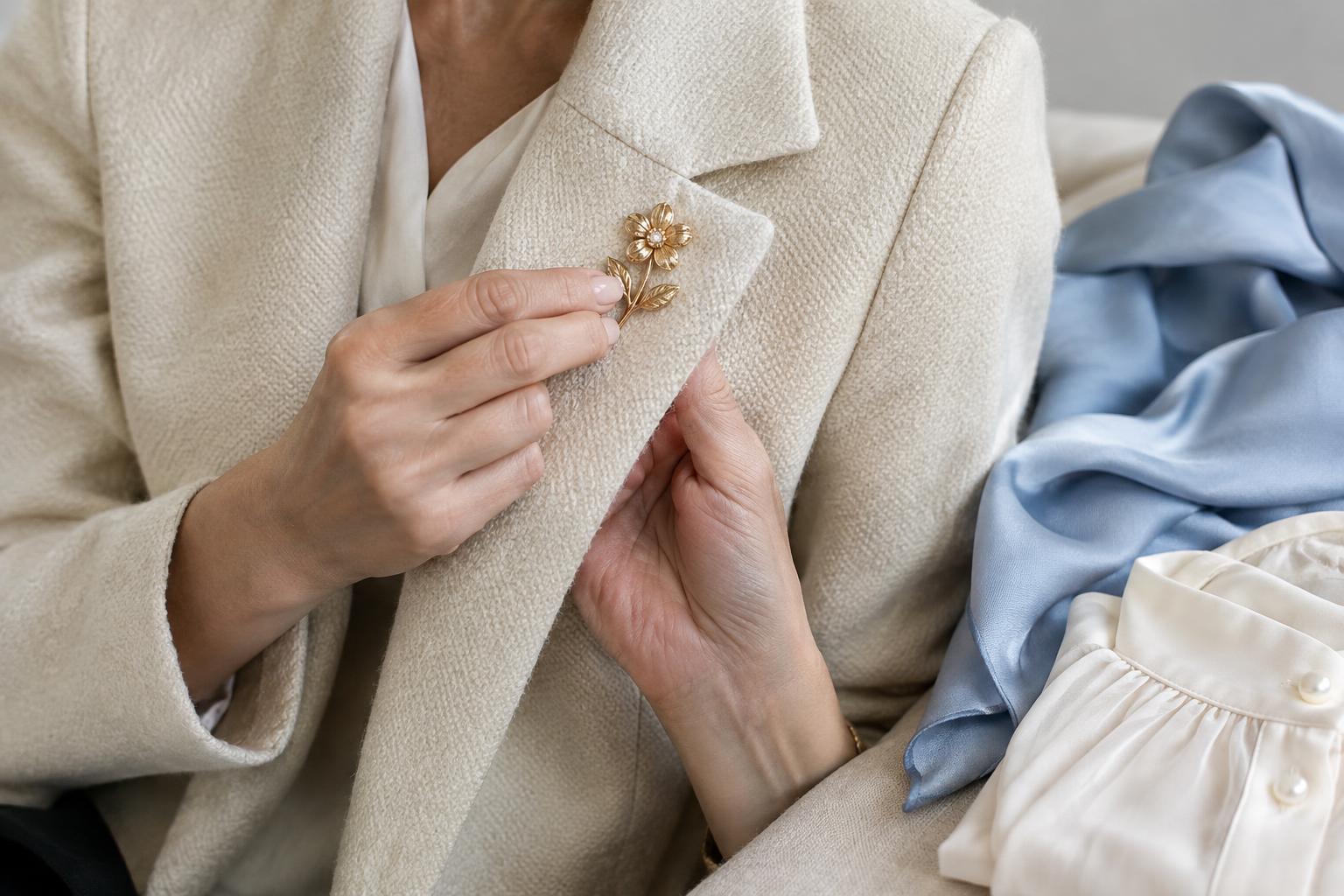
A brooch is easiest to wear on a fabric that can support its weight and recover from a pinhole. A structured blazer, denim jacket or sturdy cotton shirt is usually more forgiving than a fine knit or delicate blouse. Before pinning anything, look at the garment in good light. If the weave is loose, the fabric is thin, or a small snag would be hard to disguise, choose another placement or another way to wear the brooch.
Be especially cautious with silk, satin, lace, sheer fabrics, leather and coated or water-resistant materials. A pin may leave a visible hole, catch a thread or pierce a finish that will not close up again. Even a substantial fabric can show damage if the brooch pulls downward as you move. When in doubt, test the pin on an inconspicuous area only if you are comfortable with the possibility of a lasting mark.
Match the brooch’s weight to its placement
A small, light brooch can sit neatly near a jacket lapel or on a shirt collar. A larger piece needs a firmer base. Place it where the garment has structure, such as a lapel, placket or layered seam, rather than in the middle of a soft panel that may sag. Avoid spots that rub against a seat belt, bag strap or coat; repeated pressure can tug at the pin and fabric.
For a heavier brooch, a small backing can spread the load. Hold a piece of felt or another soft, closely woven fabric behind the garment and pass the pin through both layers. Keep the backing small enough to remain hidden but large enough to steady the brooch. Check the result in a mirror and move your arms: if the fabric droops or puckers, the brooch is too heavy for that spot.
Fasten it gently and check the clasp
Open the clasp fully before inserting the pin. Support the garment with one hand, then guide the pin through without forcing it. On a woven fabric, try to slip the pin between threads rather than splitting a thread. Do not gather a thick wad of fabric just to make the brooch sit upright; that concentrates stress around the entry and exit points. Fasten the clasp completely and give the brooch a light check to make sure it is secure.
Inspect the pin before each wear. A blunt, bent or rough point is more likely to snag, while a loose clasp can let the brooch shift or fall. If the mechanism does not work smoothly, set the piece aside until it can be repaired. Take the same care when removing it: open the clasp, ease the pin back along its path and avoid pulling the brooch away from the garment.
Try lower-risk ways to style it
You can still enjoy a brooch when an outfit includes delicate clothing. Pin it to a sturdier outer layer, such as a vest or jacket, instead of the blouse underneath. A firm scarf or fabric headband can also provide a base, provided the pin will not press against your skin. On a bag, choose a substantial fabric area away from straps and high-friction edges; skip leather or coated surfaces if you want to avoid permanent holes.
A magnetic brooch can be an option for fabrics you do not want to pierce, though its grip depends on the fabric’s thickness and the strength of the fastening. Try it at home first to see whether it slides or pulls the garment out of shape. Whatever fastening you choose, let the accessory work with the garment rather than asking fragile material to carry a heavy decoration.
Protect the garment after wearing
Remove your brooch before laundering, steaming or putting the garment away. Check for a caught thread before you move the fabric; pulling at a snag can make it more noticeable. If a woven fabric shows a tiny pinhole, gently smoothing the surrounding threads with your fingers may help them settle. Do not force the hole closed or apply heat without checking the garment’s care instructions.
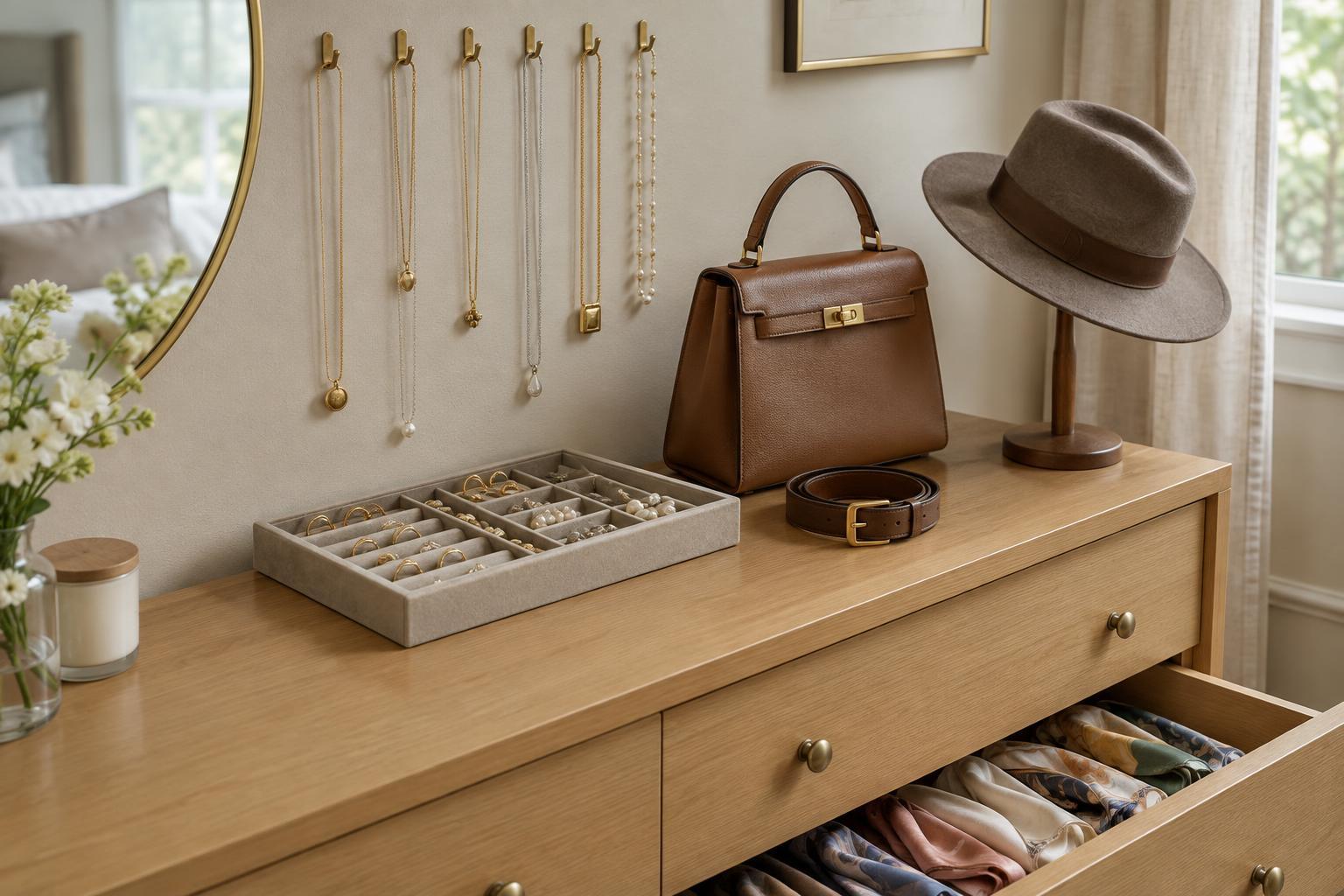
Store brooches closed and separate from easily snagged items so their pins do not catch on clothing. A quick inspection when you take one off also gives you a chance to spot a loose clasp or sharp edge before the next wear. With a suitable fabric, a secure fastening and a little attention to weight, a brooch can feel like part of an outfit rather than a risk to it.