Start with a base that lets the color stand out
An accent color is a shade that draws the eye within an outfit. It might appear in a scarf, a pair of shoes or a strip of color in a patterned shirt. The rest of the outfit gives it room to work. You do not need a closet full of coordinating pieces; one distinctive item and a few familiar basics are enough to begin.
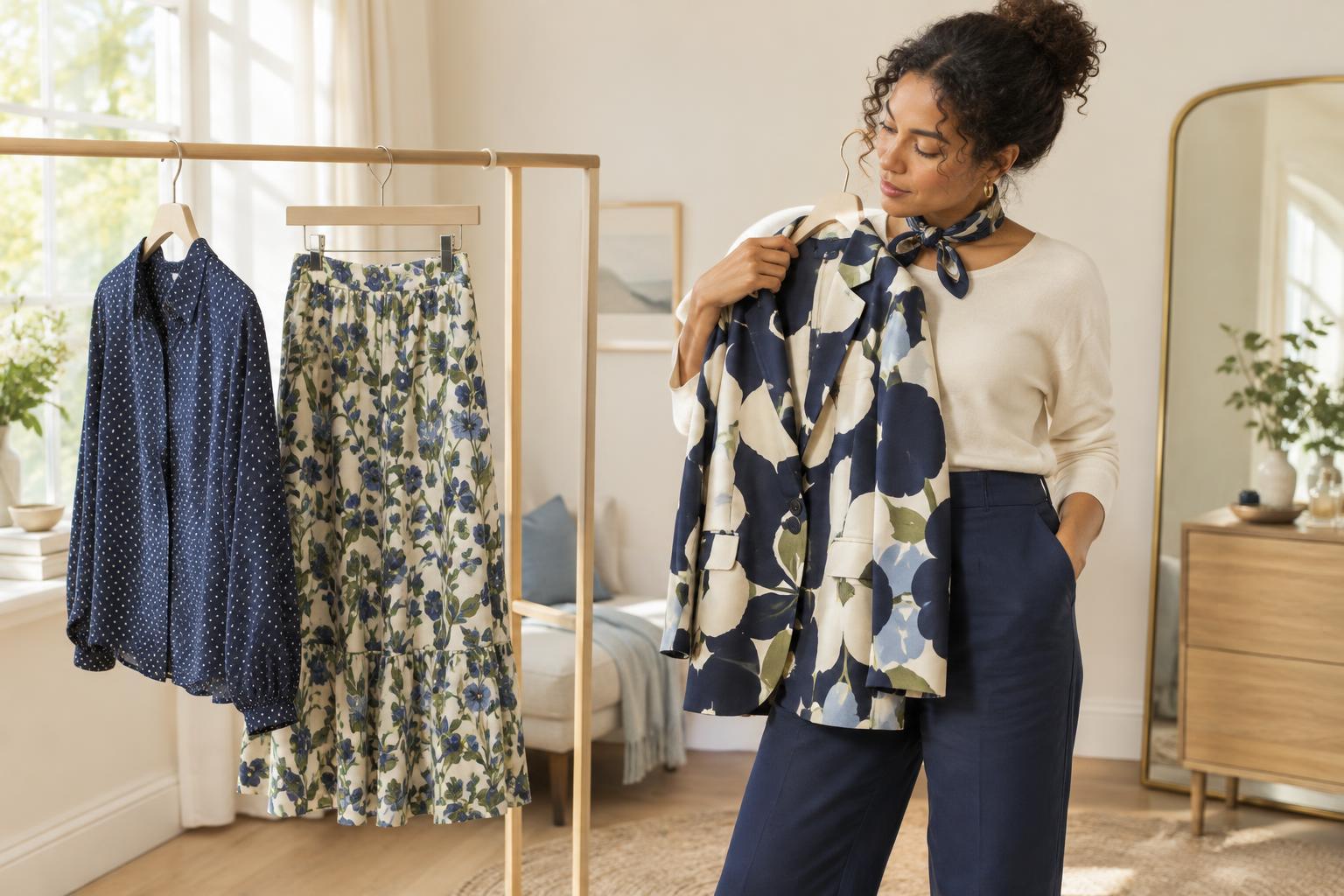
Choose two or three base pieces you would happily wear together without the accent. A white shirt, dark jeans and a navy jacket make a quiet backdrop for red, green or yellow. A brown sweater and cream trousers create a softer starting point. Neutral colors are useful, but they are not required: muted blue and olive can also act as a base if the accent is noticeably brighter or warmer. The aim is contrast you can see, not a rigid rule about which colors are allowed.
Decide where you want the eye to go
Before adding more color, pick one main accent piece. A bright knit draws attention toward your upper half; colored trousers or shoes bring it lower. If you want a small change, begin with a bag, belt, hat or socks. This makes it easier to judge whether you enjoy wearing the shade before choosing a larger garment.
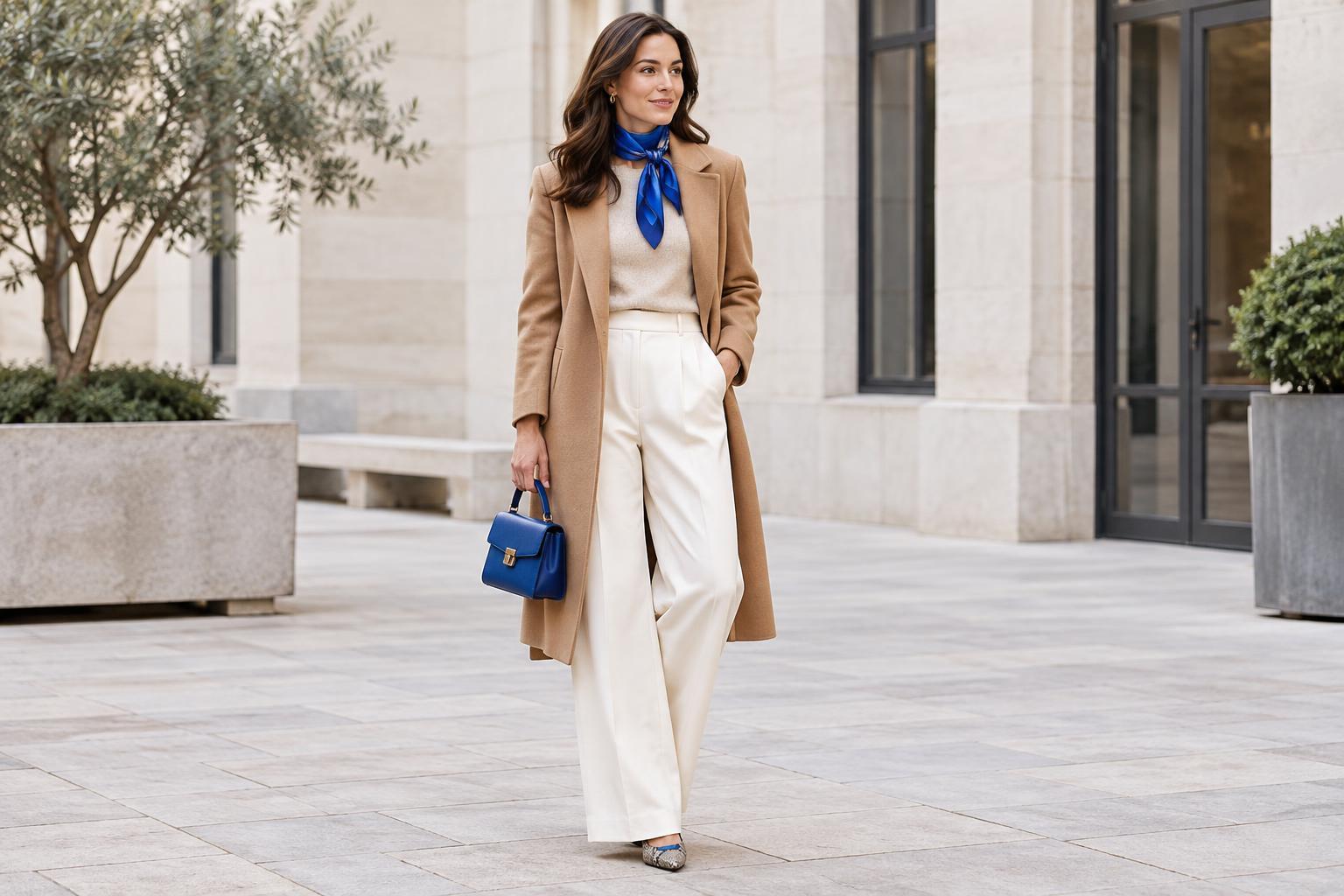
Think about proportion as well as placement. A vivid coat already covers much of an outfit, so it may not need a matching bag or shoes. A narrow belt can support a stronger accent elsewhere without competing with it. If the color feels too intense, reduce the area it occupies rather than abandoning it. Try a scarf tied close to the neck instead of a full sweater, or let a colored shirt show only at the collar and cuffs.
Repeat the accent without matching everything
Repeating a color can make separate pieces feel connected, but exact matches are optional. Try one clear accent and one smaller echo: burgundy loafers with a little burgundy in a printed scarf, or a cobalt top with a blue detail on a bag. The second appearance gives the eye a path through the outfit while leaving the main piece in charge.
The two appearances can differ in shade or finish. A tomato-red knit and a deeper red hair accessory may work together because they share a warm character. Material changes the effect, too: glossy leather catches light differently from cotton or wool. If two items look awkward side by side, separate them with base pieces rather than searching for a perfect match. You can also skip repetition altogether when a single accent feels complete.
Use patterns as a bridge
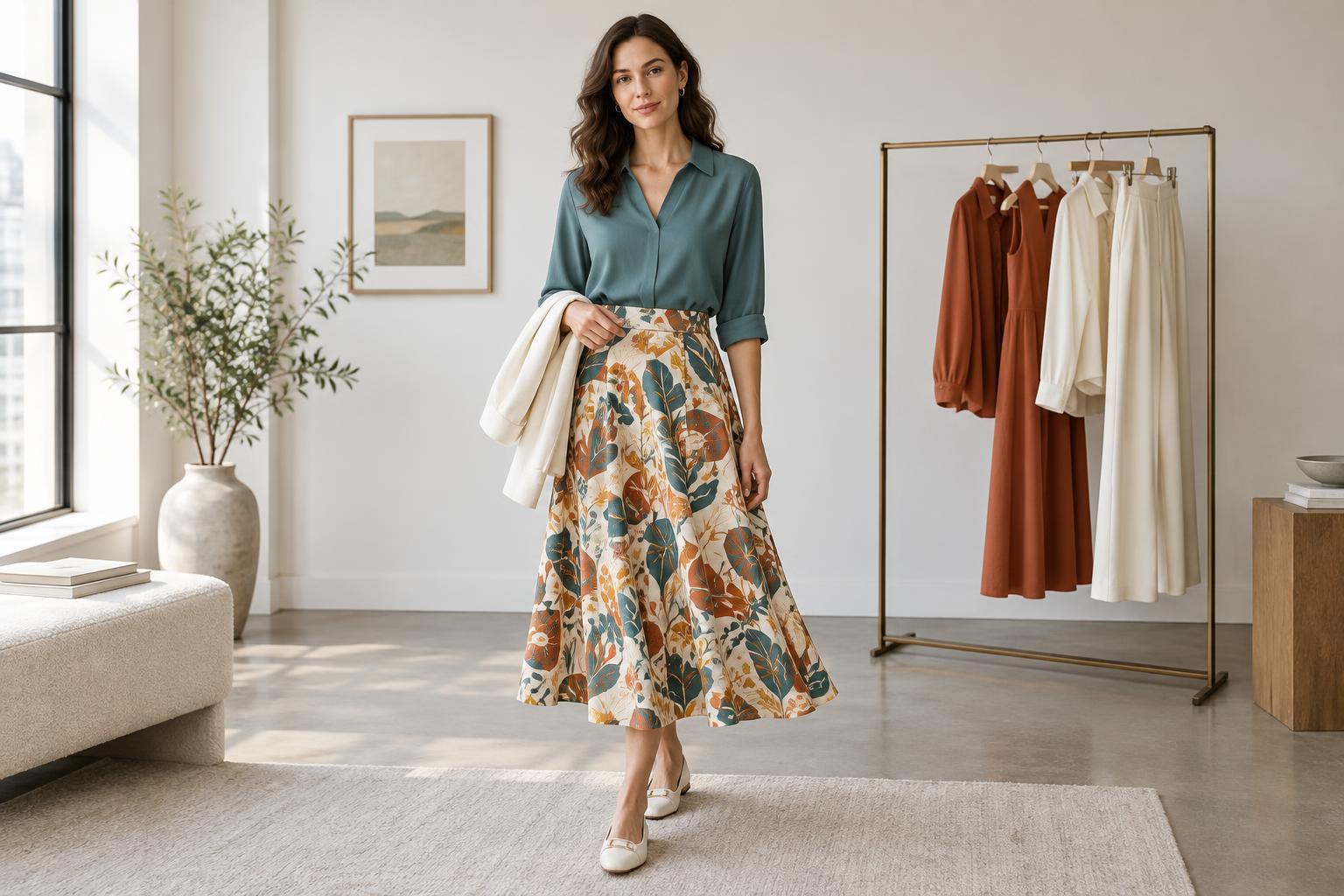
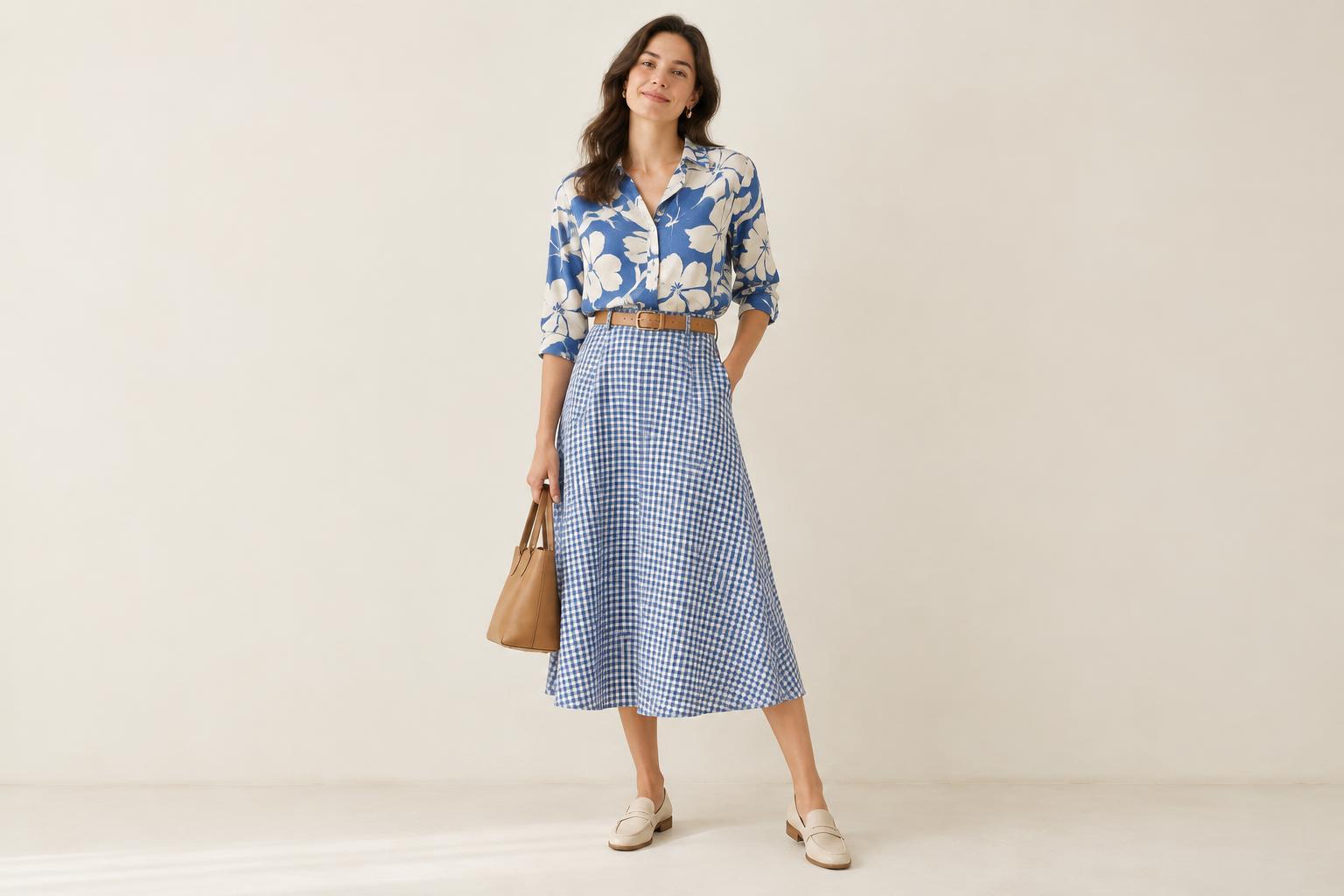
A pattern can introduce an accent color gently. Look for one shade within stripes, checks or a print and pick it up in a solid accessory. For example, a shirt with small green details could sit under a charcoal jacket, with green socks adding a second glimpse of color. The printed piece does not have to be dominated by green; a small detail is enough to establish the connection.
When combining a pattern with a bold solid, give each a different job. Let the pattern supply variety while the solid provides the clearest block of accent color. If the result feels busy, simplify the shapes around them or choose a pattern with more space between its colored elements. Checking the full outfit from a few steps away can help you see whether the accent reads clearly rather than disappearing into the print.
Adjust the formula to suit your wardrobe
You can build several outfits around the same accent item by changing its base. A rust-colored bag might feel relaxed with denim and an oatmeal sweater, then sharper with black trousers and a cream shirt. In warmer weather, a bright sandal or lightweight scarf can play the same role; in cooler weather, a knit hat or layered top may be more useful. Reusing one piece makes experimentation possible without buying an entirely new set of clothes.
Take a moment to notice what feels comfortable when you wear the outfit, not just how it looks laid out. If repeated color feels too coordinated for your taste, keep one accent and let everything else vary. If you prefer a more deliberate look, add a small echo in a similar shade. The most useful approach is one you can repeat with clothes you already enjoy wearing.