Start with the weather you actually dress for
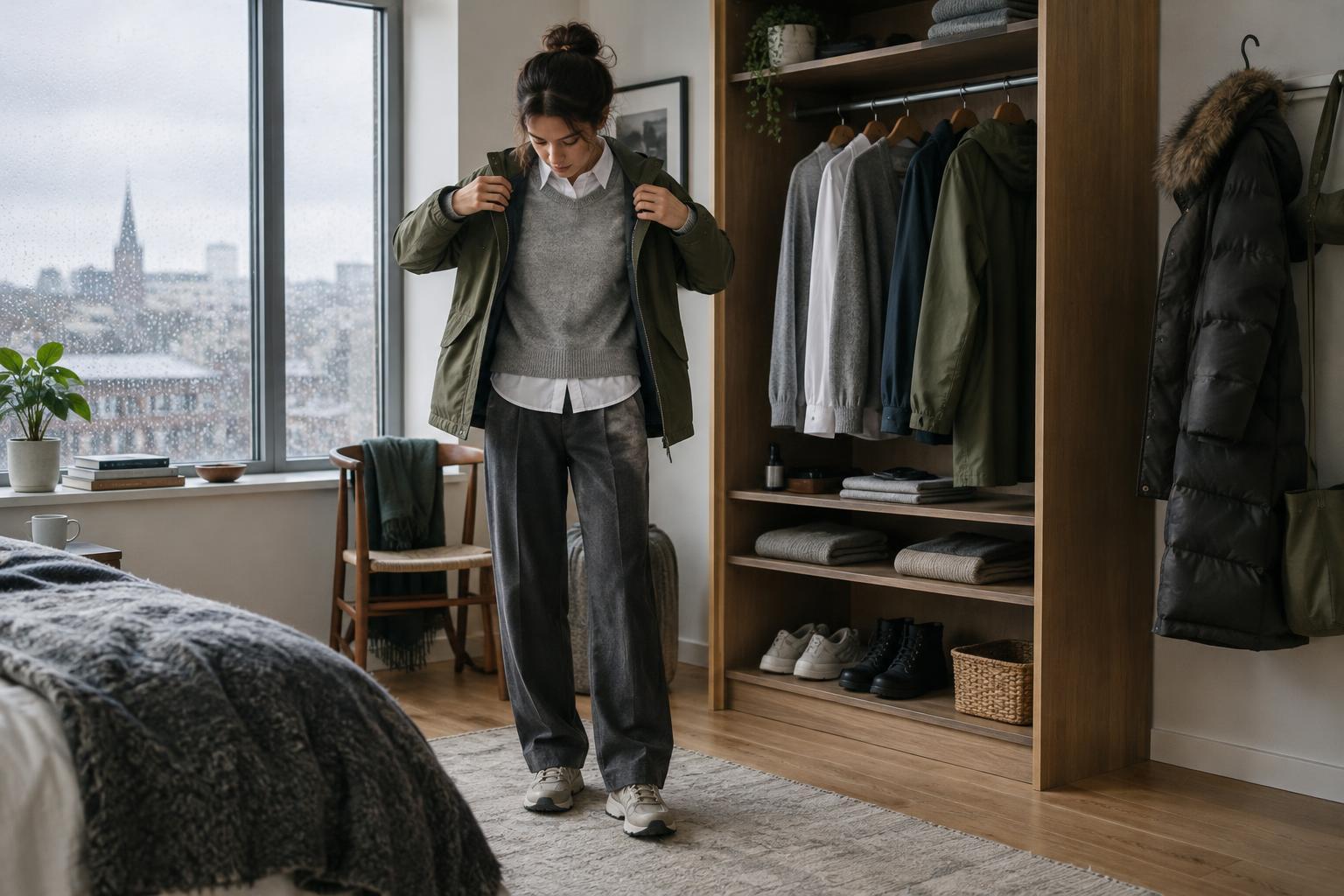
Spring outerwear has to do more than look right in a mirror. A coat that feels comfortable on a mild afternoon may be too thin for an early commute, while a warm jacket can feel cumbersome once the sun comes out. Before choosing a style, think about your usual day: how long you spend outside, whether you walk in rain, and what you wear underneath.
If you mostly move between a car or public transport and indoor spaces, a versatile light layer may be enough. Frequent walks in wet weather call for more deliberate rain protection. If your spring days include both, you may get more use from an outer layer with room for a sweater and a compact rain layer you can carry when needed. The best choice is the one that suits your routine, not every possible forecast.
Choose a trench coat for adaptable polish
A trench coat brings structure to simple outfits without requiring formal clothes underneath. Its longer cut can cover a shirt hem or blazer, and a belt lets you adjust the shape over different layers. Try it open over straight-leg jeans and a knit top for an easy everyday look, or fasten it over a shirt and trousers when you want a cleaner outline.
Pay attention to fabric rather than assuming every trench handles rain equally well. Some are designed mainly as stylish outer layers; others have a water-resistant finish that can help with light showers. Check the garment description and care label if staying dry matters to you. A trench without a hood may also work best with an umbrella on wetter days.
For flexibility, try one on over the thickest layer you expect to wear beneath it. You should be able to reach forward and sit comfortably without the shoulders pulling. Shorter trenches can feel less bulky for everyday travel, while longer ones offer more coverage. Pick a length that works with the clothes and shoes you reach for most.
Choose a rain shell when staying dry comes first
A rain shell is the practical choice when you expect to be outside through more than a brief shower. Look beyond a label that says “waterproof”: details such as sealed seams, a hood that adjusts around your face, and closures that help keep water out can make a difference in use. Water resistance and waterproof construction are not the same thing, so check what the specific jacket promises.
A shell does not have to look strictly sporty. A simple shape and a color you already wear can sit comfortably alongside jeans, wide-leg trousers or casual dresses. If you want it to work over office clothes, check that the hem covers the layers beneath it and that the sleeves do not bunch over cuffs.
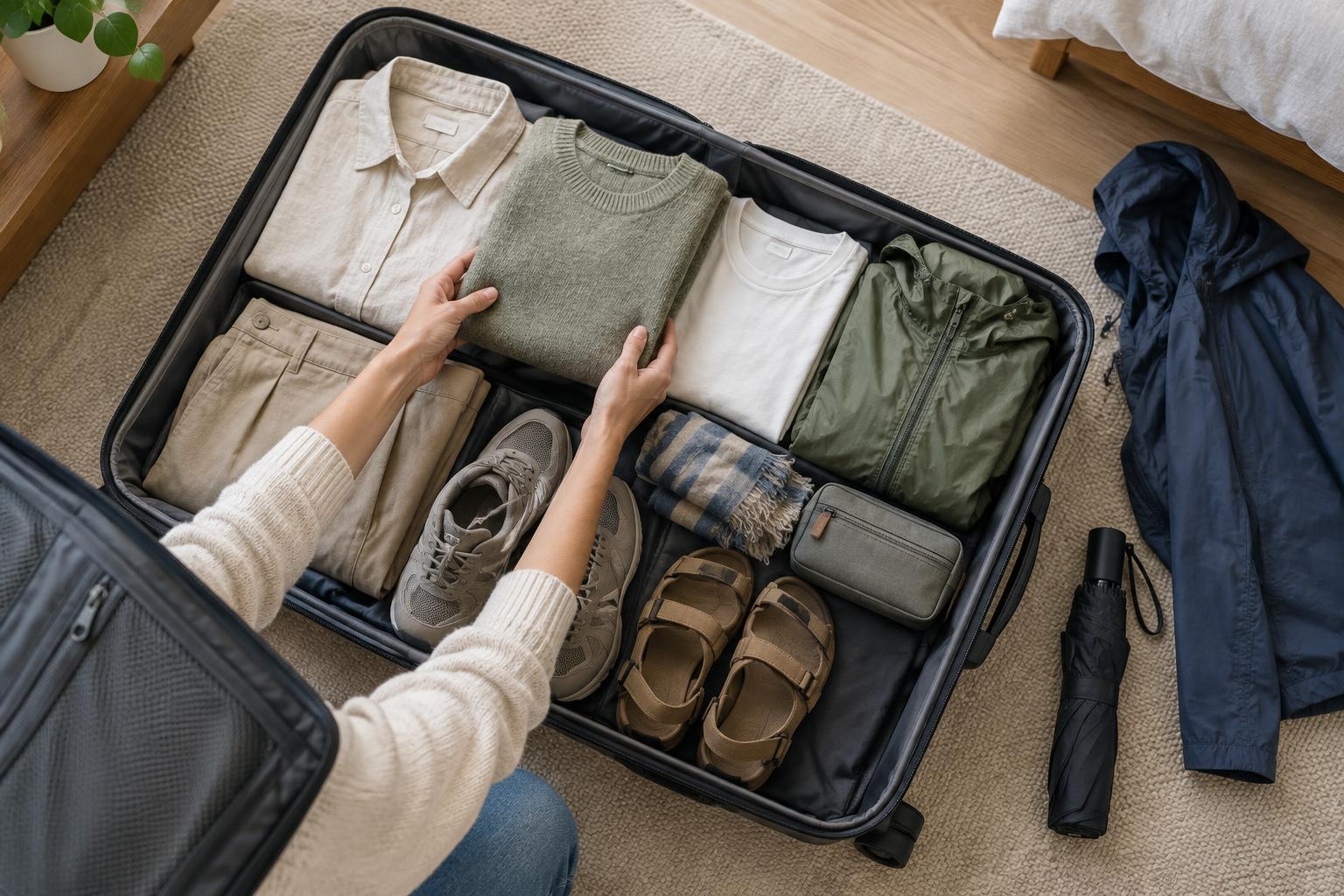
Many shells provide weather protection rather than warmth. Leave space for a cardigan, fleece or sweater on cold days, but avoid sizing up so far that the hood and cuffs become difficult to adjust. Ventilation features and an easy-to-open front can help you manage comfort when you move between cool streets and warmer indoor spaces.
Choose a light jacket for everyday versatility
A denim jacket, chore jacket, lightweight bomber or unlined utility jacket can be the simplest answer to a mild, mostly dry day. These styles are easy to put on and take off, and they offer different ways to express your taste: denim feels relaxed, a chore jacket adds useful pockets, and a bomber creates a shorter, rounded silhouette.
Match the cut to the rest of your wardrobe. A cropped jacket can balance fuller trousers or a long skirt, while a hip-length jacket may layer more easily over longer tops. If you wear dresses often, try the jacket with your most common dress length before deciding. Useful pockets, comfortable cuffs and a fastening you like can matter more in daily wear than a striking detail you rarely use.
Most light jackets are not substitutes for a dedicated rain layer. If showers are common where you live, consider whether you are willing to carry an umbrella or packable shell. That small bit of planning can let you choose a jacket for its fit and style without expecting it to do a different job.
Make one layer work harder
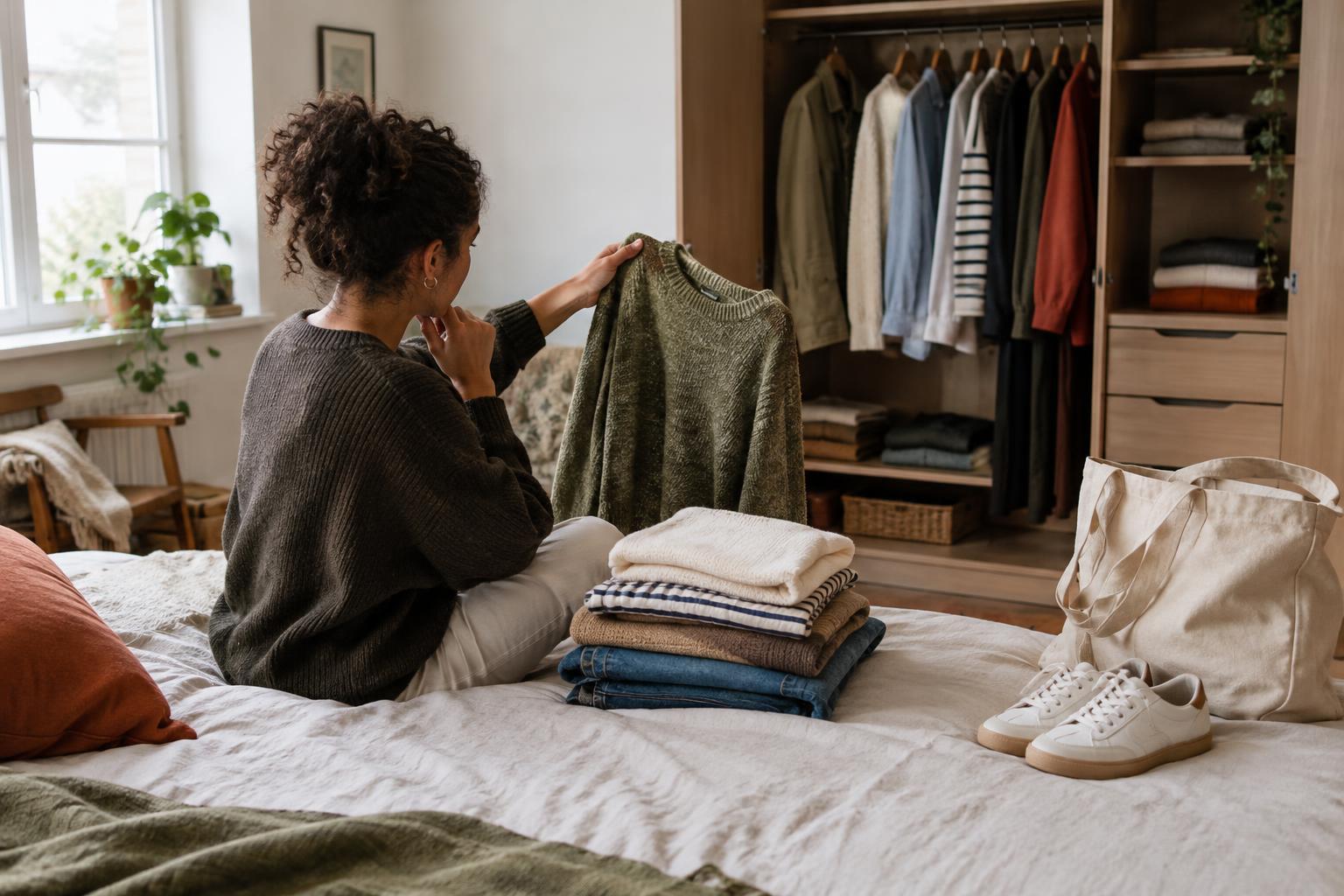
If you are buying just one piece, start with the gap in your wardrobe. Already have a good raincoat but nothing comfortable for dry days? A light jacket may add more outfit options. Have plenty of casual jackets but often arrive damp after a walk? Prioritize a rain shell. If your days lean toward smart-casual dressing and you usually avoid heavy rain, a trench may cover the most occasions.
Before buying, test the candidate with two or three outfits you already own. Check whether you can button or zip it over your usual spring layers, move your arms freely and use its pockets comfortably. A color that works with your regular shoes and bags may make the coat easier to wear repeatedly, whether you prefer a quiet neutral or a brighter signature shade.
Finally, follow the care label to keep the layer useful. Brush off surface dirt when appropriate, clean stains as directed, and allow a wet coat to dry before storing it. If a rain garment stops shedding water as it once did, consult its care instructions before washing or treating it; finishes and fabrics can require different methods.