Look beyond the word “casual”
“Casual” can describe anything from a backyard lunch to a gathering at a restaurant. Before choosing clothes, picture what you will actually do. Will you sit for most of the time, walk between locations, stand outdoors or take part in an activity? Those details are often more useful than the dress-code label. An outfit that lets you move and sit comfortably is a better starting point than one that only looks right in the mirror.
Consider the venue and the people you are meeting, too. A familiar friend’s home may invite a different outfit from a first visit to a new place. If asking the host feels easy, a simple question about the setting or planned activity can help. If not, aim for a flexible middle ground rather than trying to guess the exact level of formality.
Build a dependable middle-ground outfit
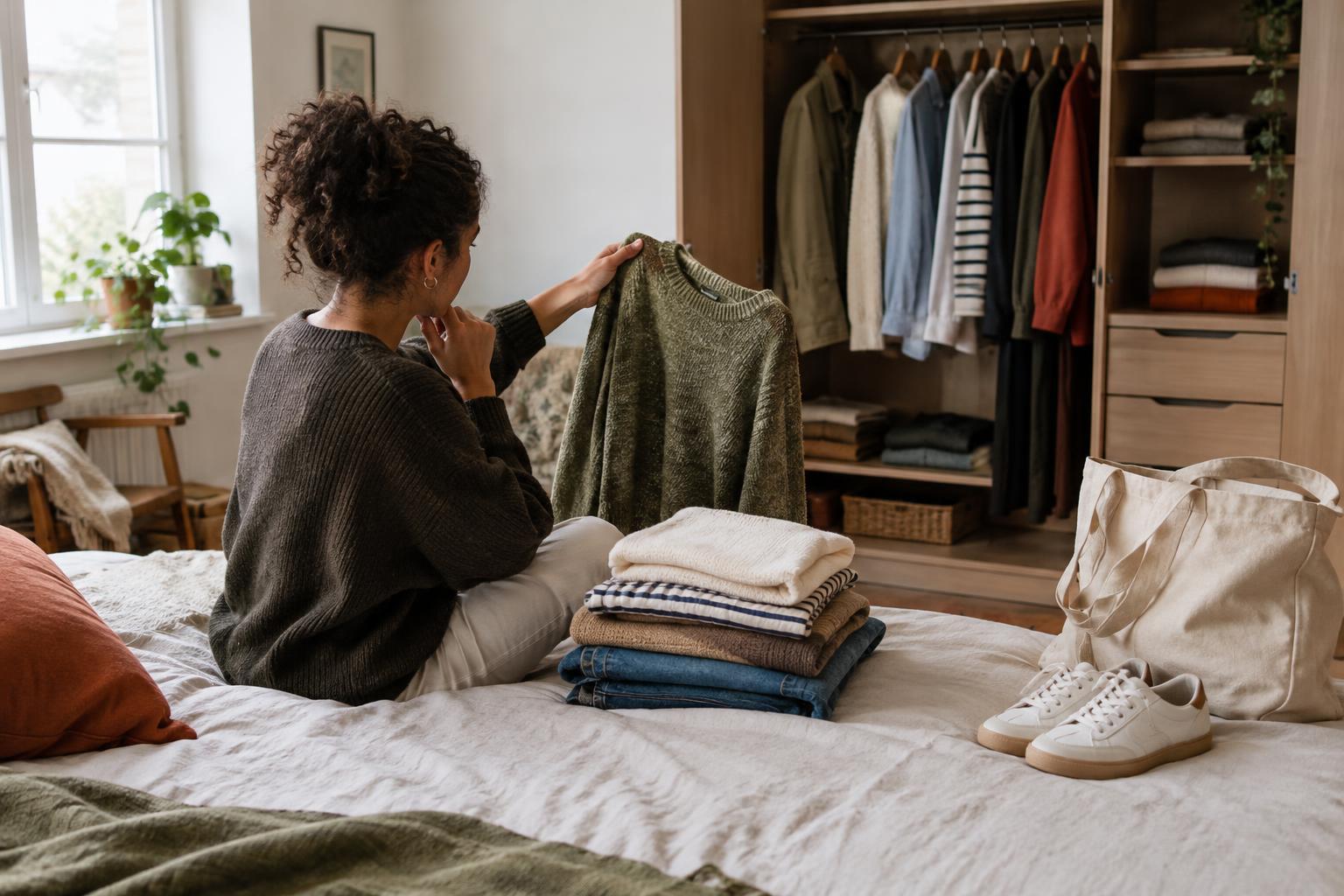
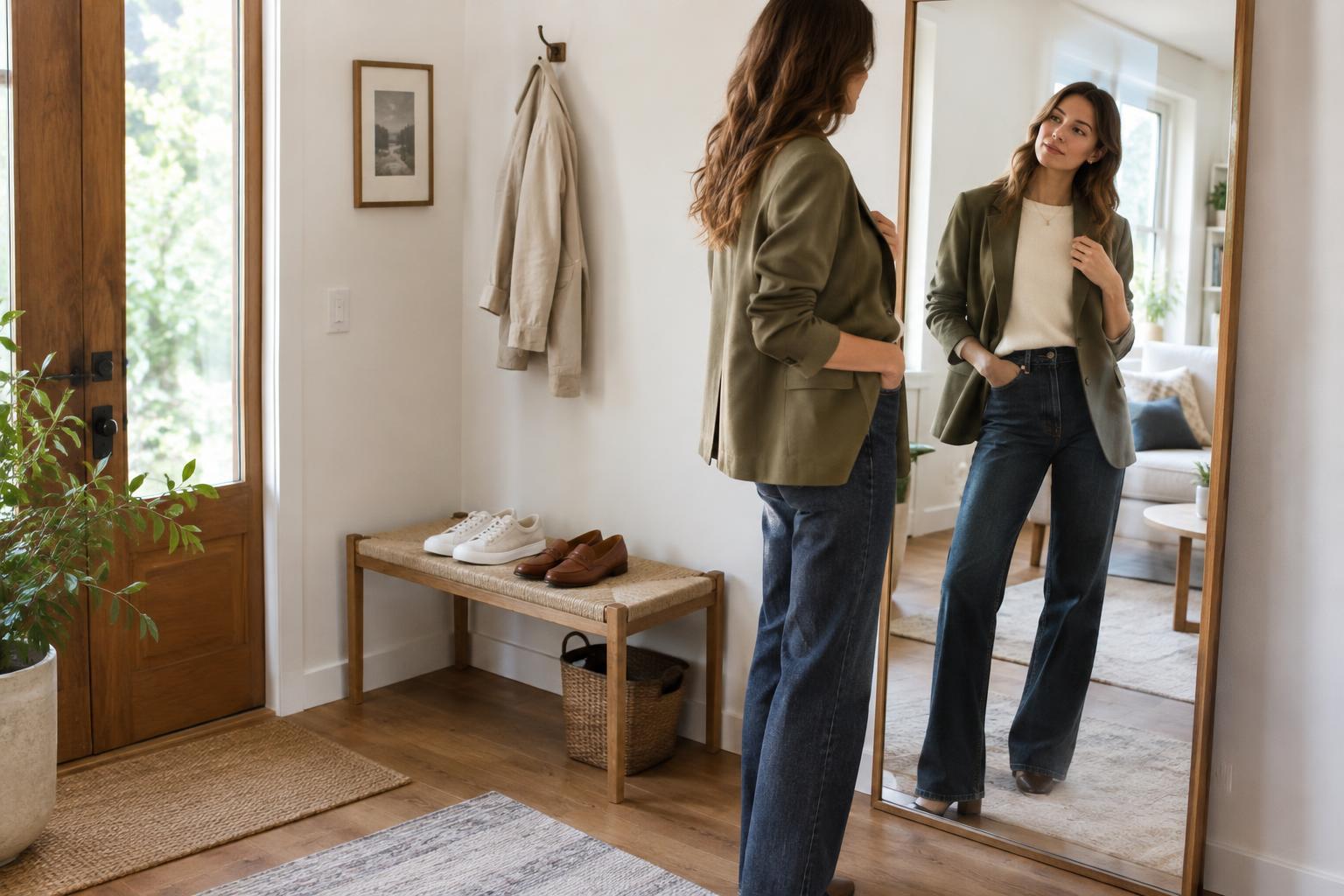
Start with pieces you would happily wear on an ordinary day, then choose versions that look neat and feel good. Straight-leg jeans with a clean knit, relaxed trousers with a plain shirt, or a simple dress with comfortable shoes can all work. None requires a particular price tag or brand. The goal is an outfit that feels like you, with enough attention to fit and condition to suit a social occasion.
A useful test is whether the pieces make sense together in both a relaxed and a slightly more dressed-up setting. If one item feels noticeably more formal than everything else, balance it with something familiar. Tailored trousers, for example, can feel less office-like with a soft top and uncomplicated shoes. A casual T-shirt can look more intentional beneath an open shirt or lightweight jacket.
Let shoes and outer layers do the adjusting
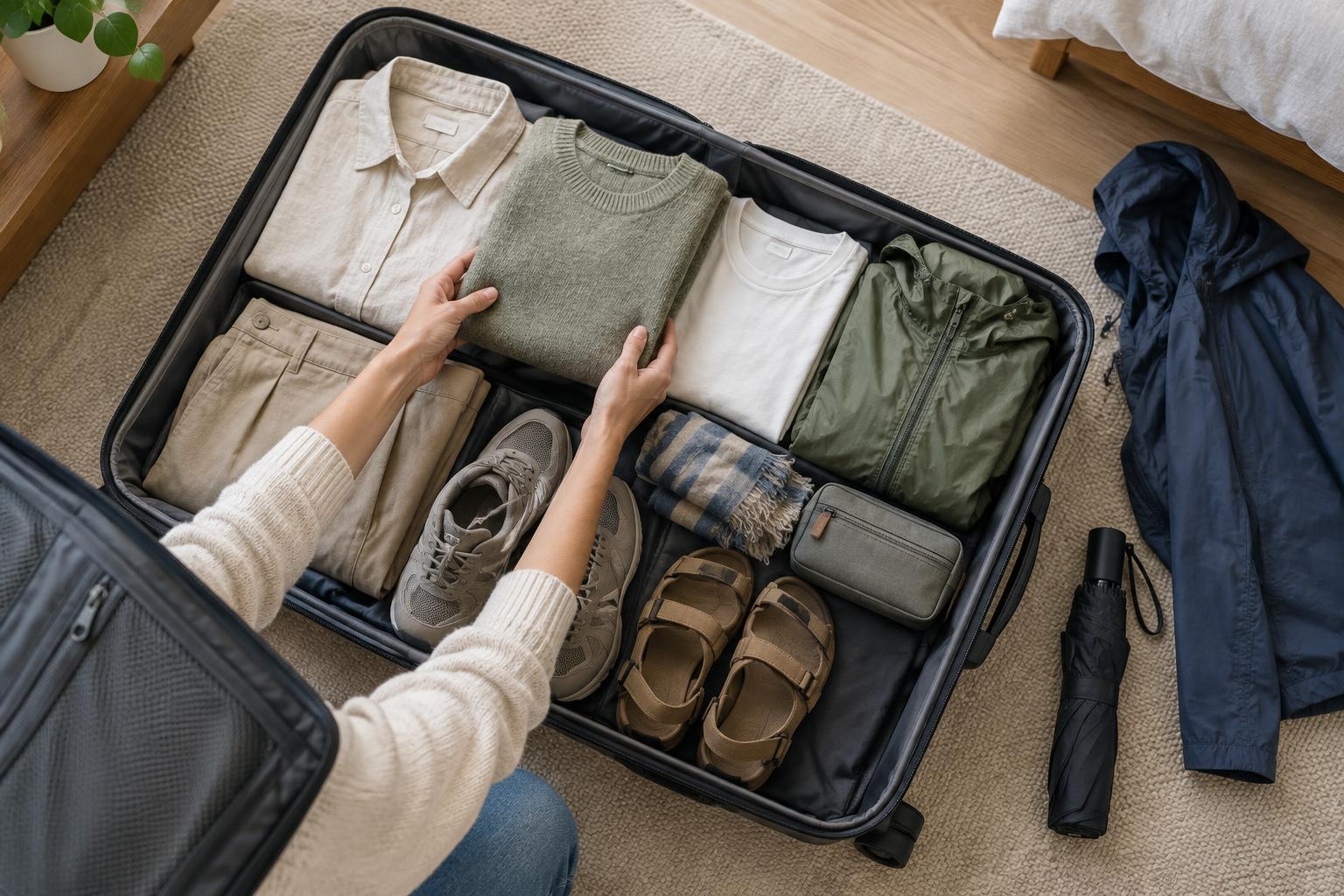
Shoes often set the tone of an everyday outfit. Clean sneakers can keep trousers or a dress relaxed; loafers, simple flats or tidy boots may make the same clothes feel a little more polished. Choose with the route and weather in mind, not just the destination. If you expect to walk or stand, shoes you can comfortably wear for the whole plan are usually the more useful choice.
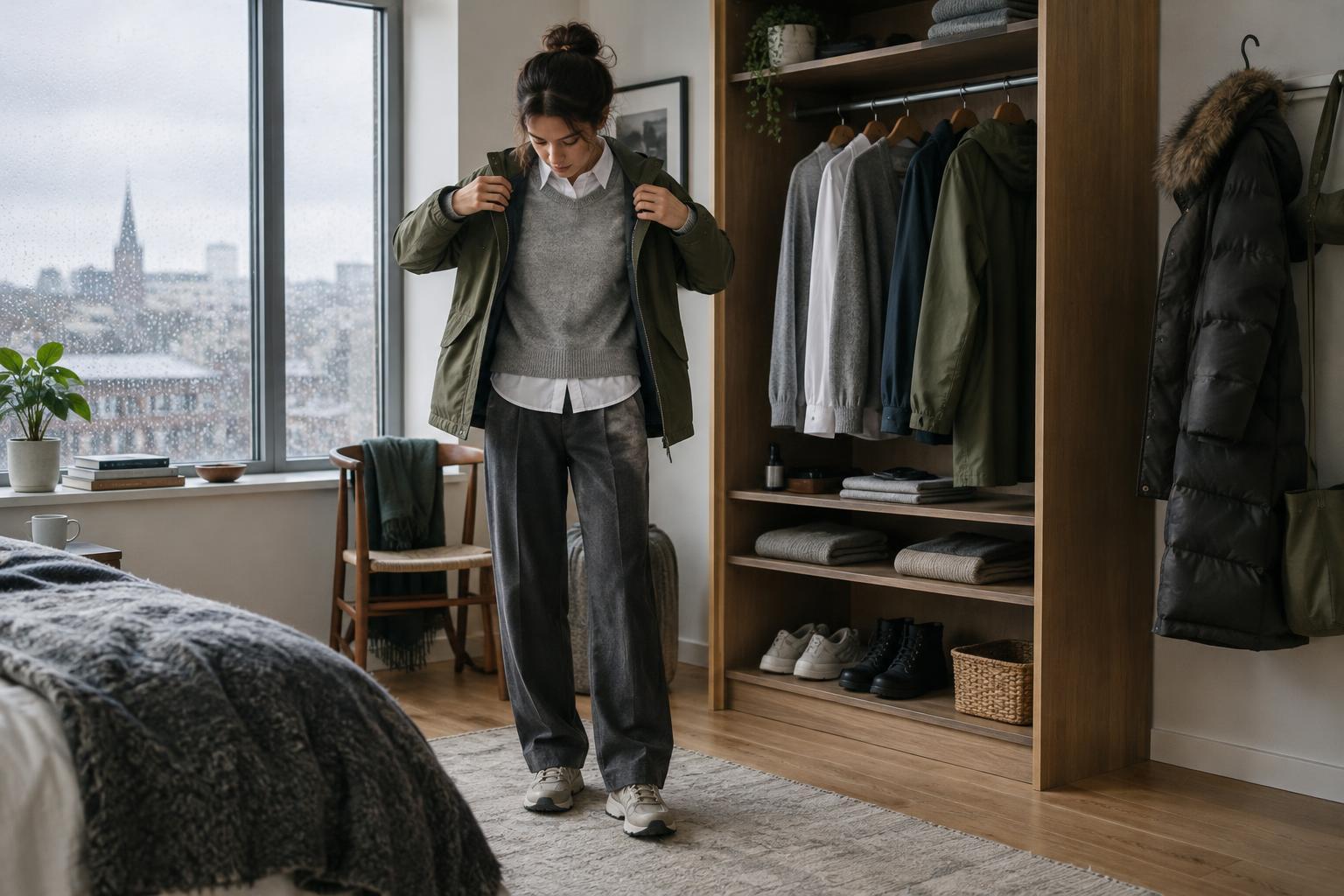
An outer layer gives you another easy adjustment. A cardigan or casual overshirt suits an informal setting, while an unstructured jacket can add definition without making the outfit feel stiff. Pick a layer that works with the clothes underneath and that you will not mind carrying if you take it off. That way, the outfit still feels complete when the temperature changes.
Check the small details that matter to you
When you are uncertain about the dress code, it is tempting to keep adding accessories. Instead, check the basics: Are the clothes clean, comfortable and suitable for the activity? Does the outfit still work when you sit down, reach for something or put on your outer layer? These quick checks can catch distractions that are easy to miss while standing still.
Then choose one finishing detail, if you want one. A belt, earrings, a scarf or a bag can help an outfit feel considered without changing its character. You do not need every piece to coordinate perfectly. Repeating one color or keeping accessories at a similar level of simplicity is often enough to make the combination feel connected.
Make one final adjustment, then stop
Before leaving, ask which direction the occasion seems to lean: more relaxed or more polished? Change one thing if needed. You might swap a structured jacket for a cardigan, choose different shoes or replace a worn top with a neater one. Changing the whole outfit can create more uncertainty without making it more appropriate.
An unclear dress code does not call for a flawless guess. It calls for clothes that suit the likely activity and let you participate comfortably. Once you have covered those needs, allow some room for your own taste. A middle-ground outfit works best when it still feels natural to wear.