Start with the care label and sort the load
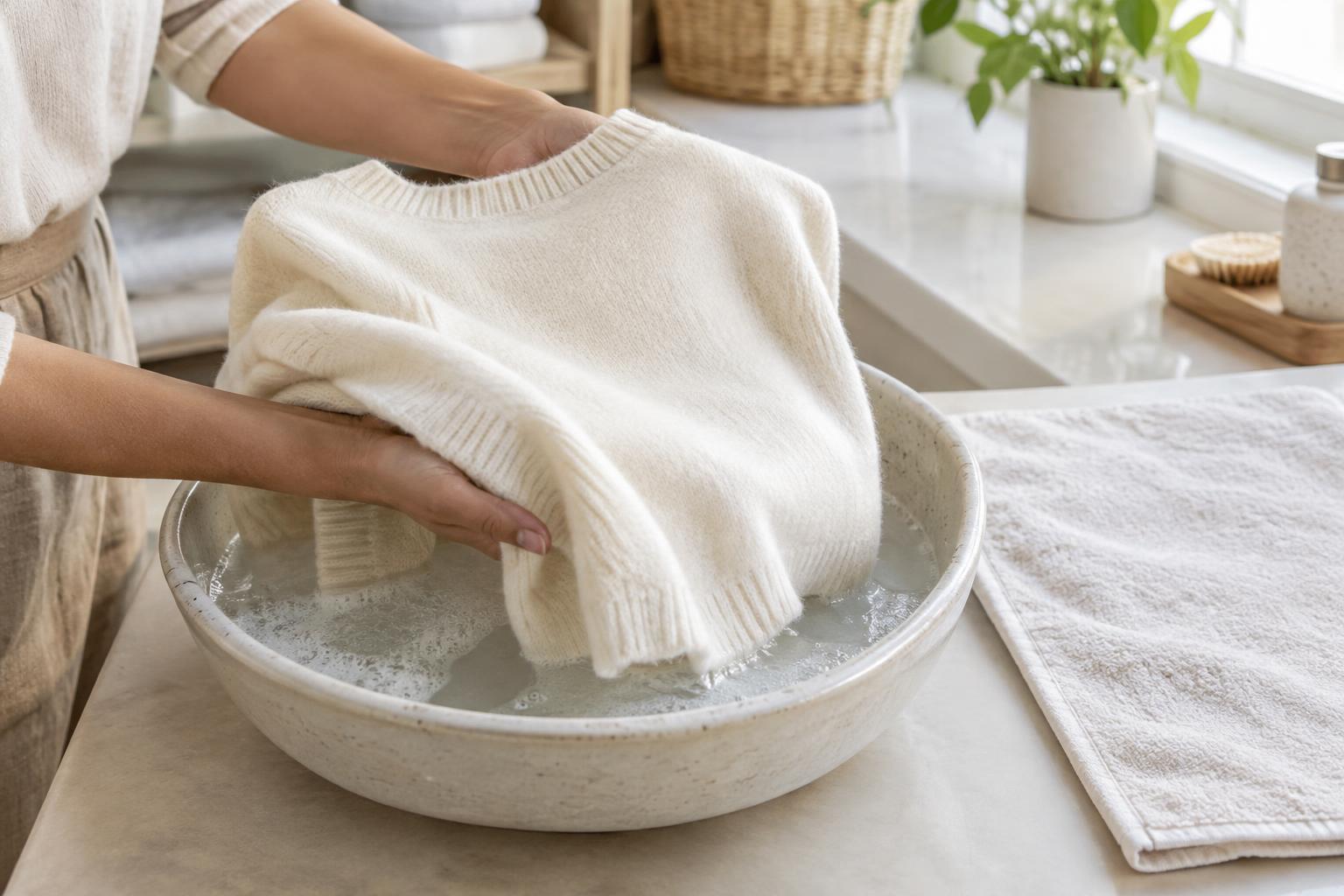
The best washer setting starts with the garment, not the machine. Check each care label for a recommended temperature, cycle or handling restriction. A label that calls for hand washing, for example, is not a promise that a machine’s delicate cycle will be safe. If the instructions are unclear, choose a gentler approach or wash the item separately the first time.
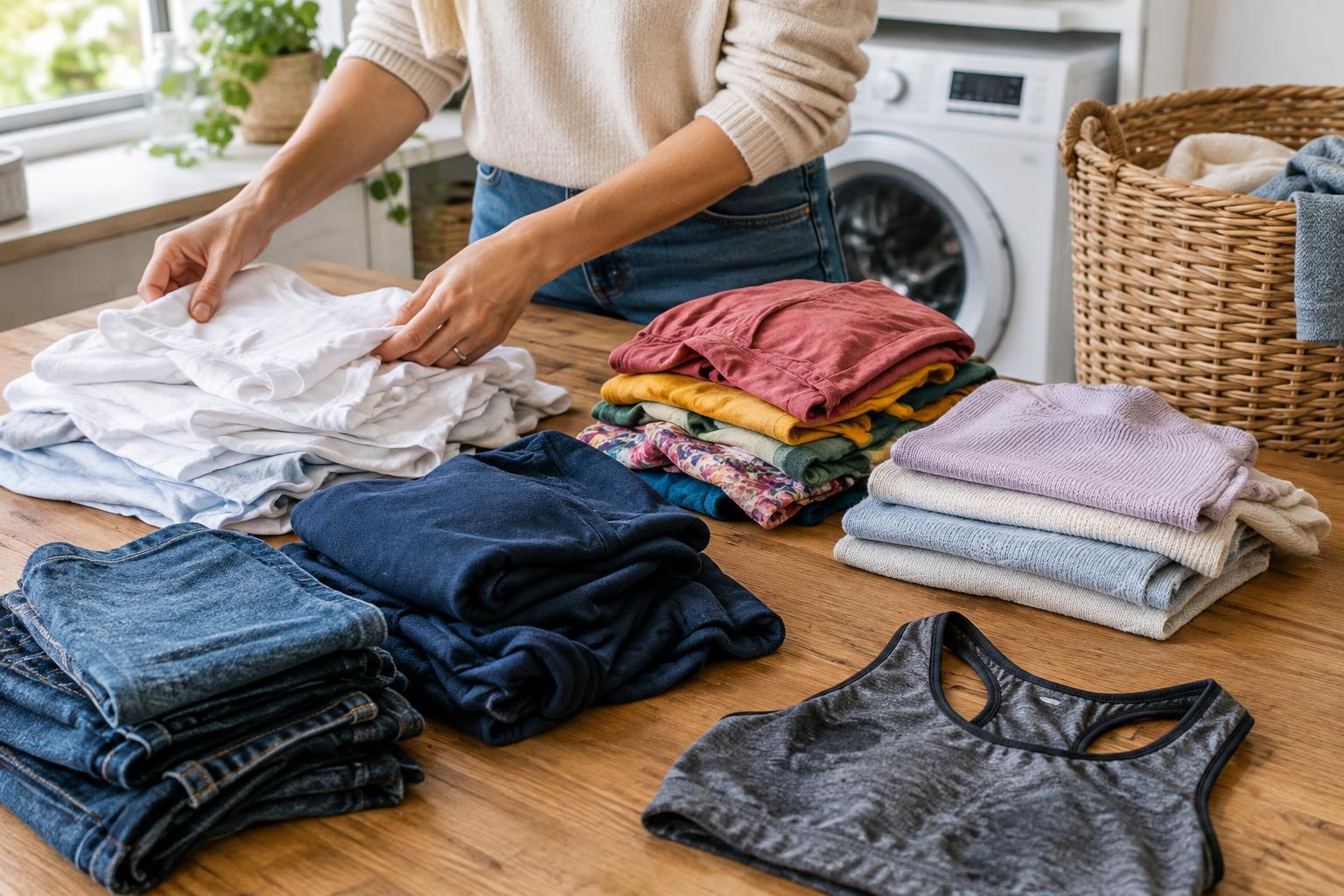
Then group clothes by more than color. Fabric weight and texture matter: heavy jeans and towels can rub against lightweight tops, while zippers and hooks may snag knits. Keep delicate pieces away from bulky items, and avoid packing the drum tightly. Clothes need room to move so water and detergent can circulate and the load can rinse properly.
Match the cycle to the fabric and soil level
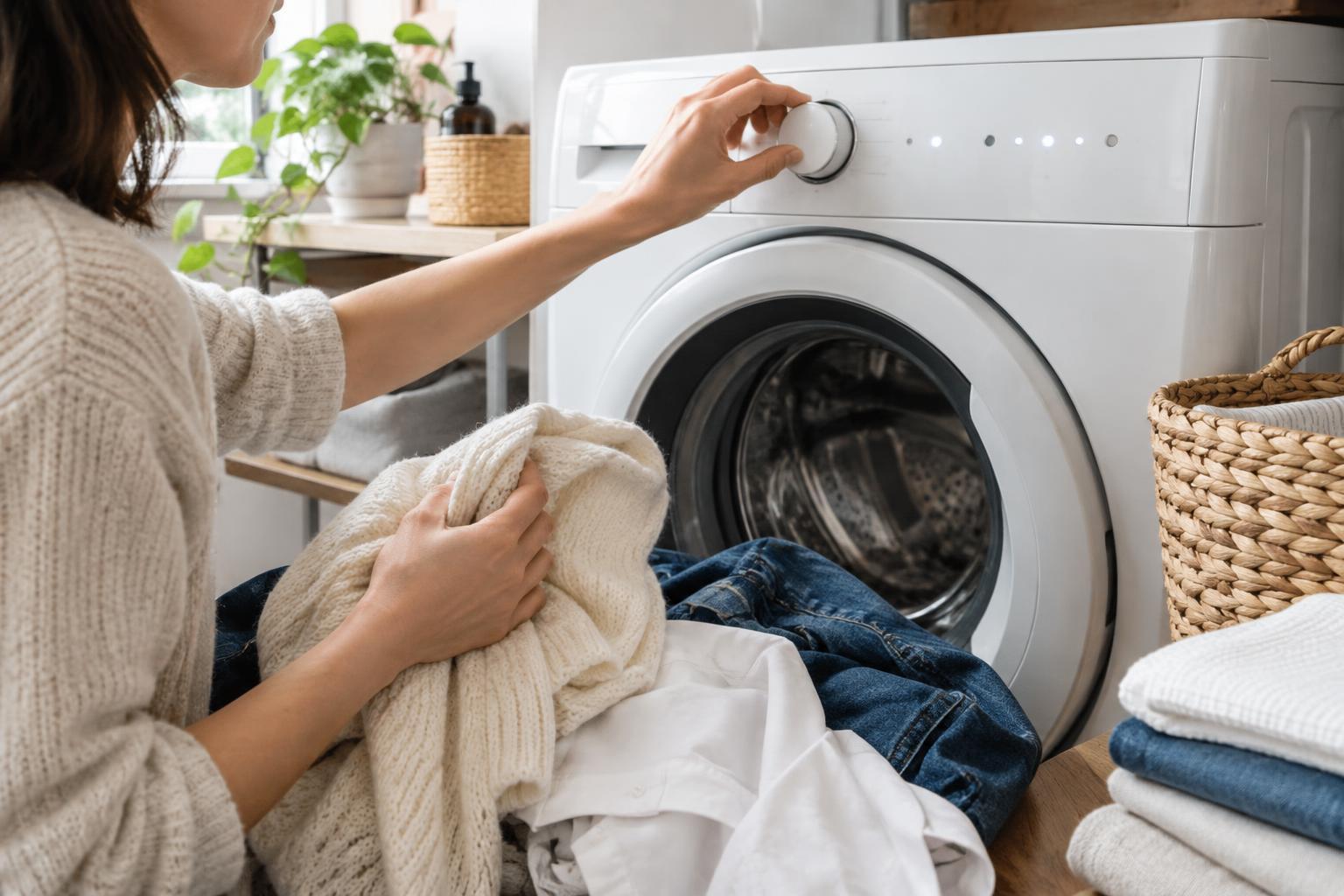
A normal or cotton cycle is a practical choice for sturdy everyday clothes that can tolerate regular agitation. Use a heavy-duty cycle for durable items with substantial dirt, provided their care labels allow it. A delicate or gentle cycle generally uses less agitation and is better suited to fine fabrics, loosely structured garments and items prone to stretching or snagging. A permanent-press or easy-care cycle can be useful for many synthetic fabrics and blended shirts, where reducing creases is a priority.
Cycle names and behavior vary between machines, so consult your washer’s guide when a setting is unfamiliar. More vigorous washing is not automatically better: it can add wear without solving a stain. Treat visible stains according to the fabric’s care instructions before washing, and check that they are gone before using a dryer. Heat can make some stains harder to remove.
Choose the coolest water that meets the need
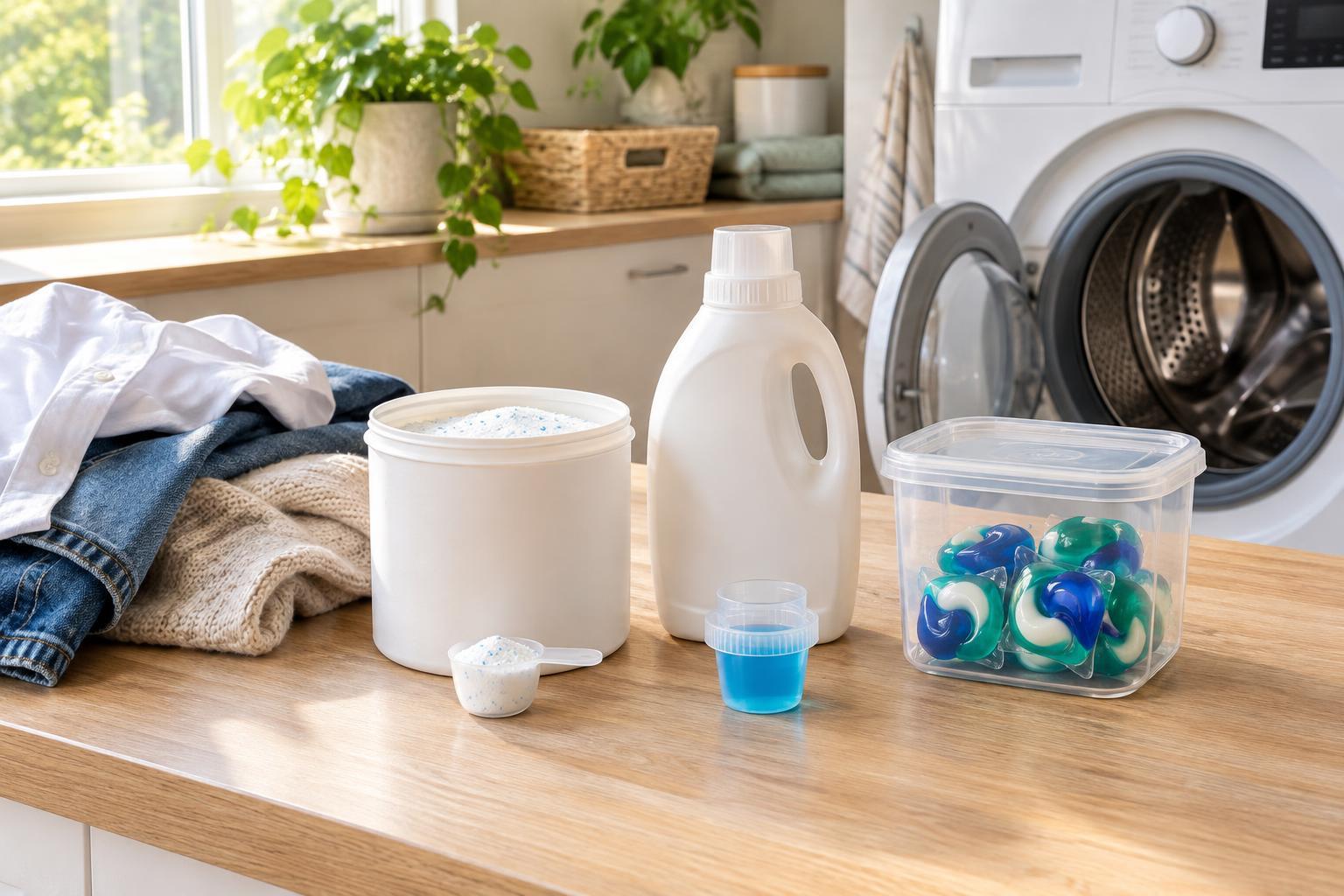
Cold water is a sensible starting point for many everyday loads, especially dark or bright colors and garments that may shrink or fade. It can also help reduce energy used to heat water. Use a detergent suitable for the temperature you select, and follow its dosing directions; extra detergent can leave residue rather than make clothes cleaner.
Warm water may help with some body oils and moderately soiled, colorfast clothes, but check labels before using it. Reserve hot water for items whose labels permit it and whose cleaning needs justify it, such as certain sturdy towels or bedding. Hot water can shrink some fabrics, encourage dye loss or damage finishes. When an item is new or its dye stability is uncertain, wash it separately or with similar colors.
Set spin speed for drying and fabric care
Spin speed controls how much water the machine extracts at the end of the wash. A faster spin leaves sturdy items such as towels and many cotton basics less wet, which can shorten drying time. The trade-off is more creasing and greater strain on some fabrics. A slower spin is often a better fit for delicate knits, lightweight garments and items that lose their shape easily.
Let the most vulnerable item in a mixed load guide your choice, or split the load if its needs are very different. If a high-speed spin makes a load thump or leaves deep creases, try a lower setting and make sure bulky items are distributed evenly. Follow any label directions about drying flat or reshaping while damp; spin speed cannot replace proper drying care.
Use a simple decision routine
Before pressing start, ask three questions: What is the most delicate fabric in the load? How dirty are the clothes? What does each care label allow? For a mixed load of lightly worn everyday clothes, a regular or easy-care cycle with cold water and a moderate spin is often a reasonable starting point. For fine fabrics, reduce agitation and spin. For sturdy, heavily soiled pieces, consider a stronger cycle or warmer water only when their labels permit it.
After the wash, look at the result. Persistent dirt may call for stain treatment or a better-sorted load; excess wrinkling may call for a slower spin or quicker removal from the washer. Small adjustments based on your clothes and machine are more useful than relying on one setting for everything.