Start with the clothes and the care label
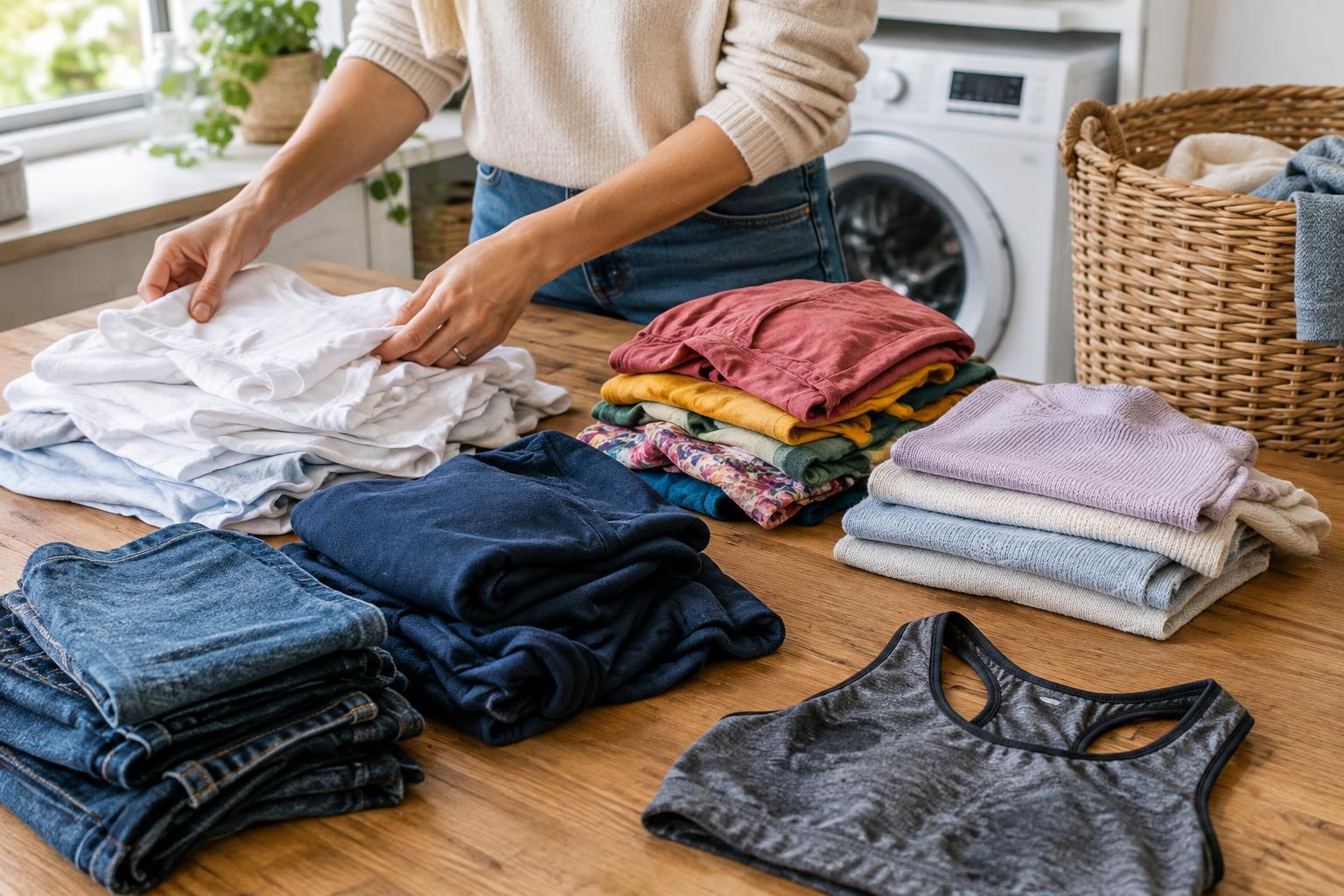
Detergent choice matters, but it is only one part of a good wash. Before reaching for a bottle or box, check garment care labels for washing instructions. Sort items by color and fabric needs, and separate heavily soiled clothes from lightly worn pieces when practical. A sturdy cotton T-shirt, a dark knit and a delicate blouse may not all benefit from the same cycle or product.
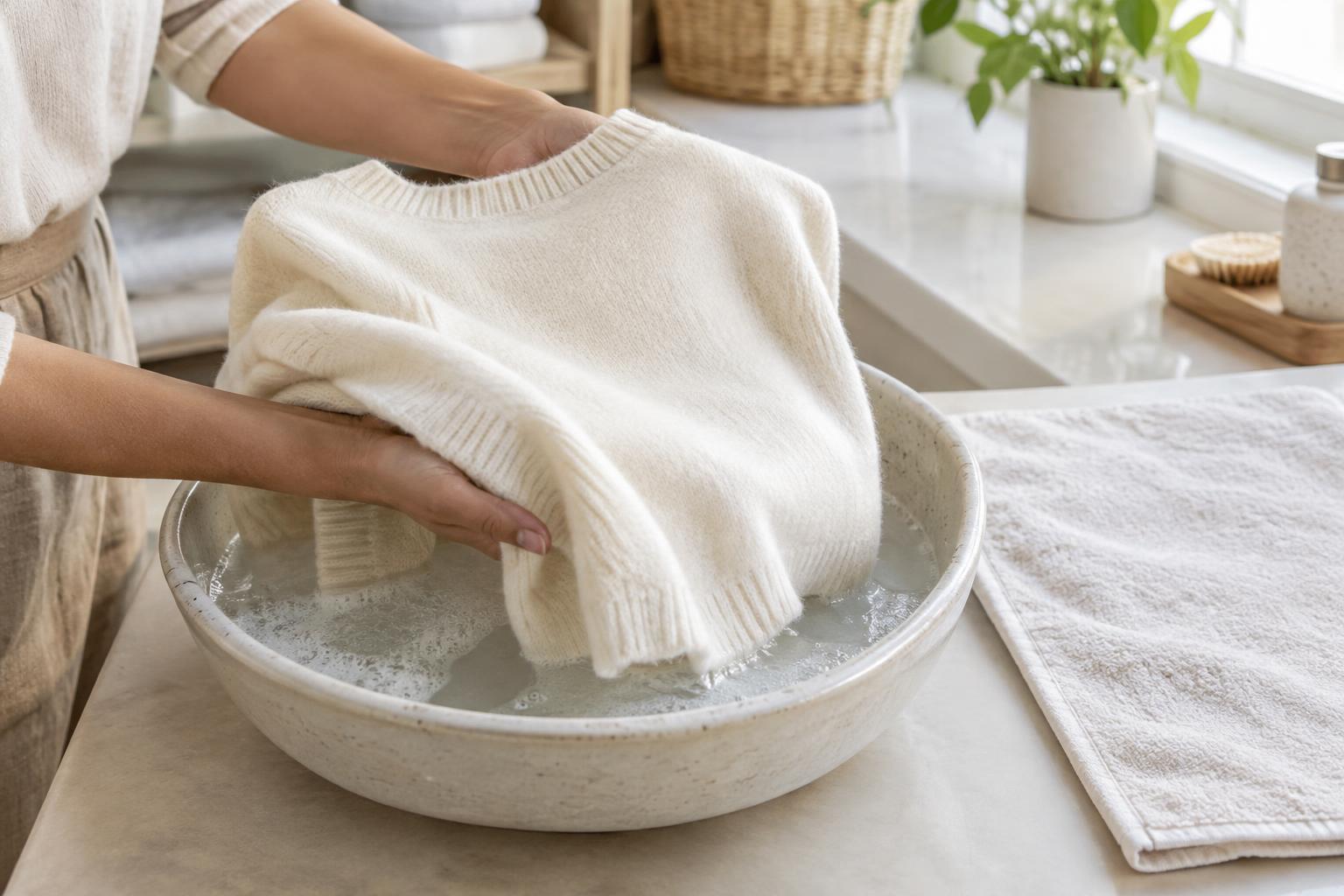
Think about your usual laundry rather than looking for one detergent that promises to do everything. If most loads contain everyday clothes with light soil, a general-purpose detergent may be enough. If you regularly wash delicate items, look for a product intended for those fabrics and follow both the garment and detergent directions. For wool, silk or other special-care pieces, the label is the place to start; some items need hand washing or professional cleaning instead of a standard machine cycle.
What each detergent format does well
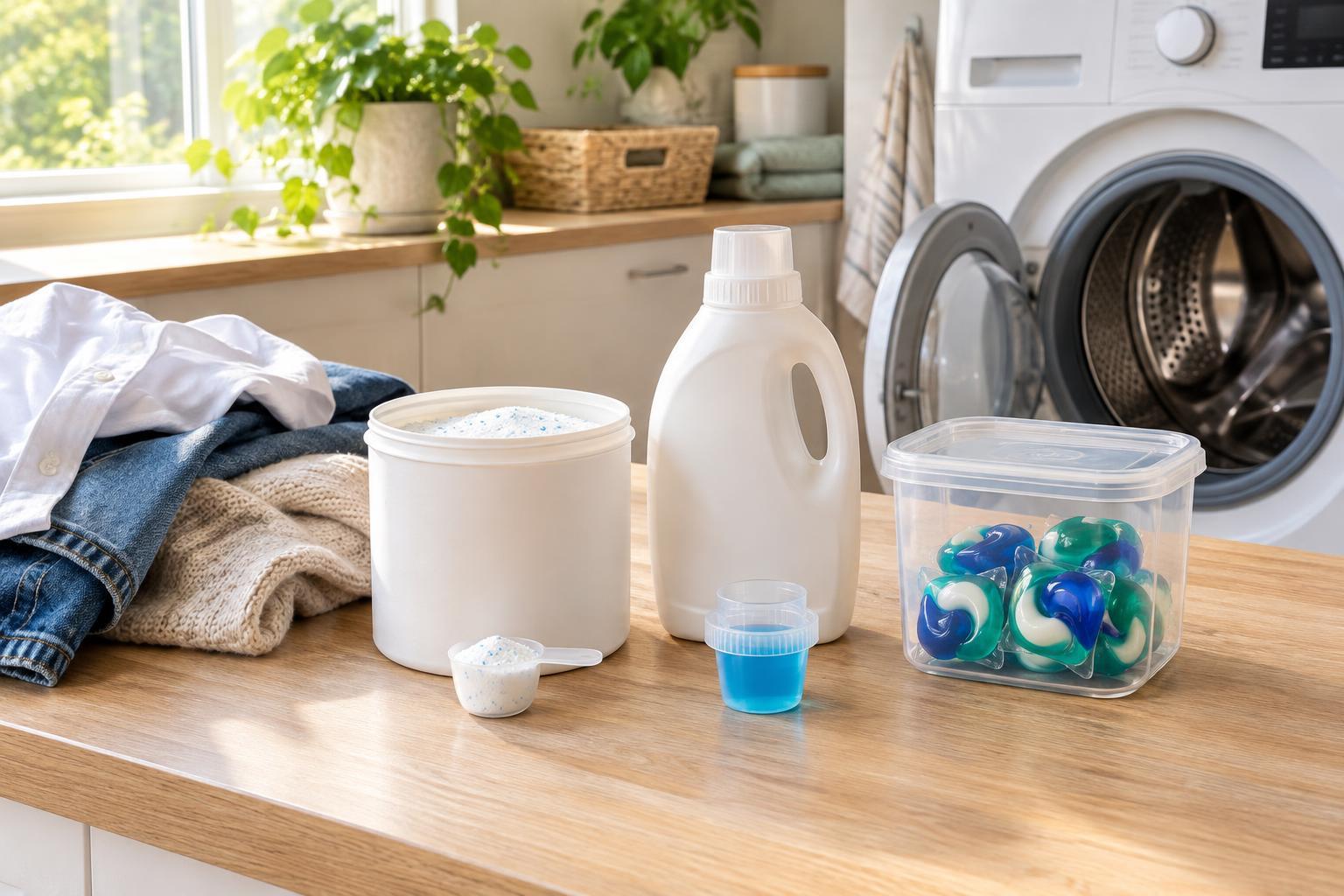
Powder is often a practical choice for routine loads, especially if you prefer to measure different amounts for different washes. It needs a chance to dissolve and disperse, so check the product directions if you use a cool, short cycle or notice granules left on clothes. Keep the package dry and close it between uses; damp powder can clump and become difficult to measure.
Liquid is easy to measure in small increments and can be useful for treating a washable garment before the main wash, provided the product label permits it. Apply only as directed and avoid leaving it on fabric longer than recommended. Pods or packs are convenient because each contains a preset dose, but that fixed amount may be more than a small, lightly soiled load needs. They also need to be placed where the package directs, often in the empty drum before clothes are added, rather than in the dispenser drawer. Keep pods and all other detergents sealed and out of reach of children and pets.
Measure for the load, not the size of the cap
The right amount depends on the detergent’s concentration, your machine, the size of the load, how dirty the clothes are and sometimes water hardness. Start with the dosing instructions on the package, using the markings on its cap or scoop rather than estimating by eye. If your machine is labeled high-efficiency, choose a detergent marked as suitable for it and follow its dosing guidance. A full-looking drum is not necessarily a load that needs extra detergent: clothes also need room to move through the water.
More detergent does not automatically give a better clean. Excess product can be harder to rinse away and may leave clothes feeling coated or looking dull. Too little may struggle with a genuinely dirty load. If clothes come out with a noticeable detergent scent or slippery feel, check whether you are measuring too generously, overloading the machine or using a cycle that does not rinse the load well. If soil remains, consider sorting differently or pretreating a spot before simply adding more detergent.
Adjust thoughtfully for stains and water
Mud, food marks and body oils can call for different approaches, but a bigger dose across the whole load is not always the answer. Remove loose dirt, then check the garment label and any stain-treatment directions before pretreating. Test a product on a less visible area when colorfastness is uncertain. Wash the item as directed and inspect the spot before tumble drying, since heat can make some remaining marks harder to remove.
Water hardness can affect how detergent performs. If you know your water is hard, consult the detergent’s dosing chart for that condition rather than guessing. A cooler wash may suit many garments, but the product still needs to work at the temperature you choose. Follow the fabric label first, then check whether your detergent has specific temperature guidance. If powder repeatedly leaves visible traces, try improving the load size or dispensing method, or consider a liquid formula for that routine.
Make a simple choice you can repeat
Choose a format you can use accurately. Powder or liquid offers flexibility when your loads vary greatly in size; pods can simplify a consistent laundry routine if their preset dose suits your machine and load. Fragrance preference is personal, and an unscented option may be appealing if you would rather your clothes smell neutral. Whatever you buy, store it according to the package directions and use the measuring method provided.
For the next few washes, note the load size, dose and result. Clothes that look clean, rinse well and feel comfortable to wear are a better guide than a cap filled to the brim. Small adjustments, made within the product’s directions, can help you settle on a repeatable routine that cares for both everyday basics and the pieces that make your wardrobe your own.