Start with the care label, then make your piles
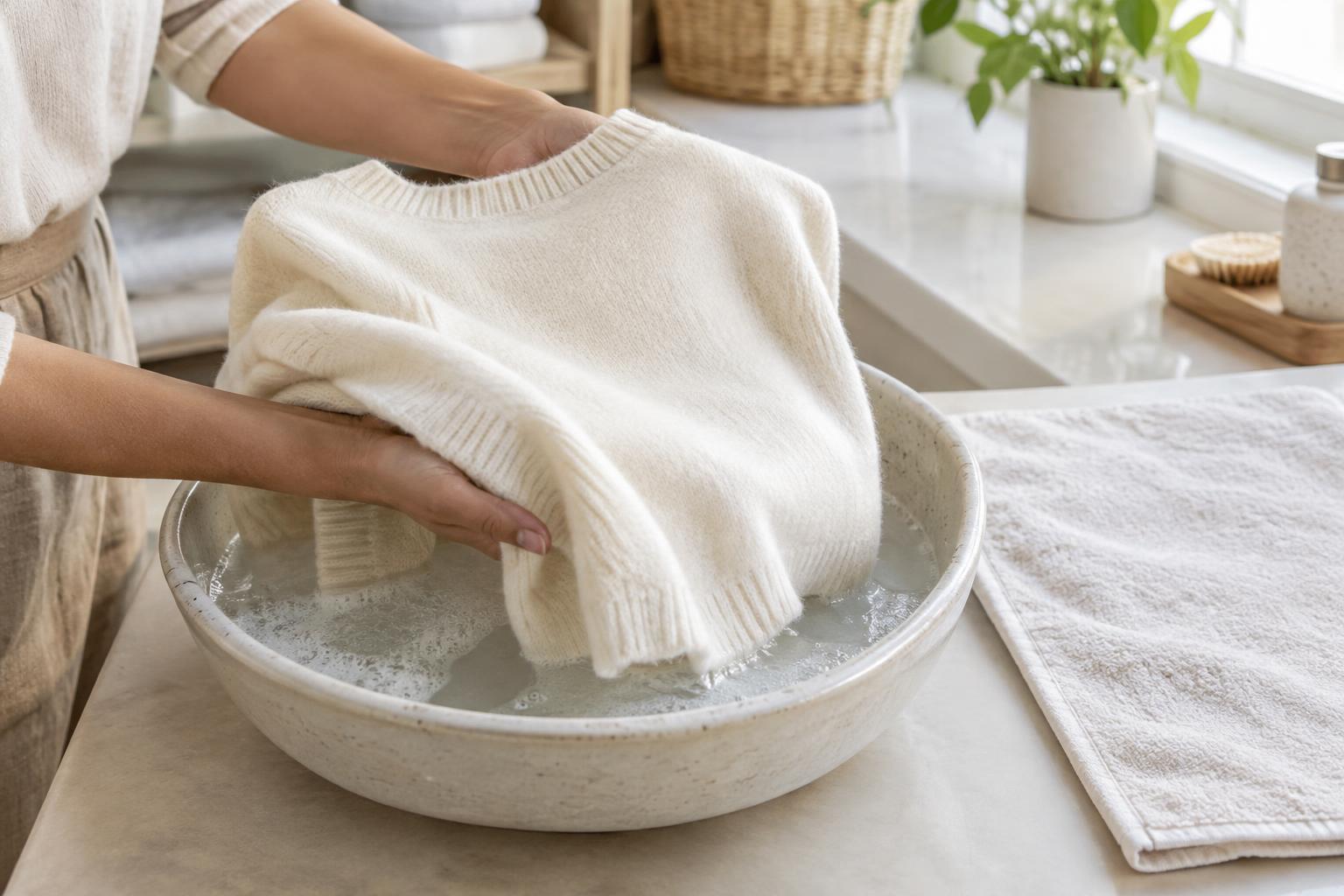
Sorting laundry is not about creating a separate load for every garment. It is about grouping pieces that can handle the same wash conditions. Before you sort by appearance, check the care labels on unfamiliar clothes. A sweater marked for hand washing, for example, should not go into a regular load just because its color matches. Set aside items that need a different washing method, water temperature or drying approach.
For the rest, use three questions: Could the color transfer? Could a heavier fabric rub against a lighter one? Does this item need more cleaning than its neighbors? Those questions give you a flexible system. A large household may have enough clothes to make several precise loads, while a smaller one may need to combine compatible items and choose a gentler setting.
Separate colors that might affect one another
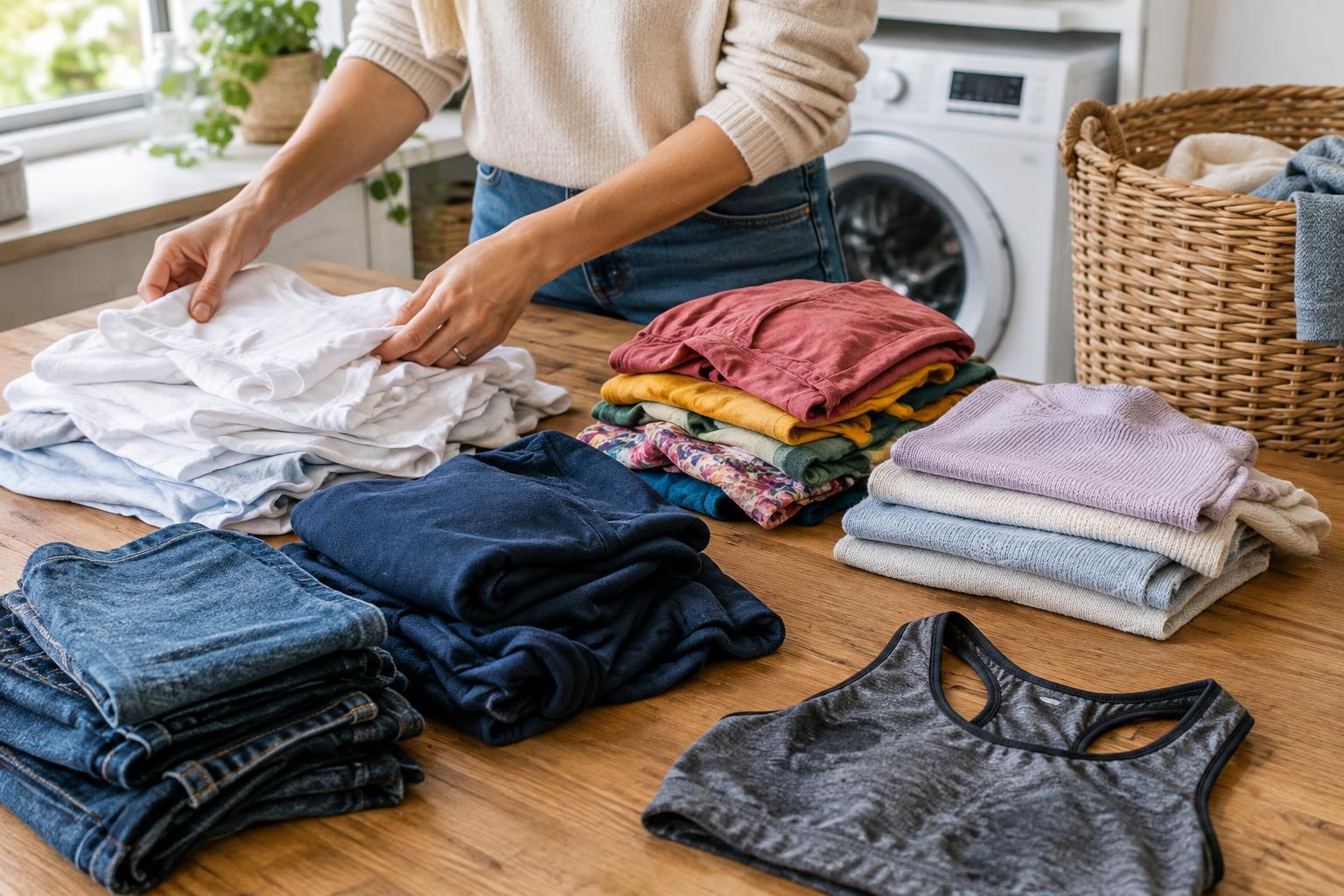
A practical starting point is three color groups: whites, light colors and dark or saturated colors. Keeping white shirts and pale socks away from dark denim can help prevent visible dye transfer. Dark garments may also keep their appearance better when washed with similarly colored pieces, especially if you turn them inside out as their labels allow.
Give new, strongly colored clothes extra attention. Deep red, black, indigo and other rich dyes can release color in the wash, particularly during their first few washes. If you are unsure whether an item is colorfast, wash it separately or with close colors first. A discreet damp-cloth test may offer a clue, but it is not a guarantee that the whole garment will behave the same way in a machine.
Mixed prints belong with the group that would be least forgiving of any dye transfer. A cream blouse with dark detailing, for instance, may be safer in a cool, gentle load with similar light items if its label permits. When in doubt, protect the item you most want to keep crisp and bright rather than relying on the print’s dominant color alone.
Match fabrics by weight and wash needs
Color is only one part of the sort. Heavy jeans, sturdy towels and thick sweatshirts can put more friction on fine knits, lace and lightweight blouses during washing. Group robust everyday pieces together and put delicate items in a separate gentle load when possible. A mesh laundry bag can help protect small or snag-prone items, though it does not make a fabric suitable for a wash cycle its label rules out.
Also consider lint. Towels and fleece can leave fibers on smooth dark clothing, so separating lint-shedding pieces from lint-attracting ones can save time later. Close zippers, fasten hooks and turn embellished pieces inside out before washing to reduce snagging. Do not pack the machine tightly: clothes need room to move and rinse.
If you must combine fabrics to make a load, choose settings suited to the most delicate item in it. That may mean cooler water and a gentler cycle, provided the load is only lightly soiled. A gentler wash is not a substitute for cleaning heavily dirty clothes thoroughly.
Sort by how dirty the clothes are
Lightly worn tops and trousers generally do not need to share a load with muddy work clothes or heavily soiled sports gear. Dirt can move through the wash water, while a cycle chosen for lightly worn clothes may not be enough for tougher grime. Shake off loose dirt outside, check pockets and treat noticeable stains before loading the machine. Follow the garment and stain-remover directions, and avoid rubbing delicate fabric aggressively.
Set aside items with bodily fluids or other significant contamination rather than adding them to an ordinary mixed load. Follow the item’s care label, your machine’s instructions and the cleaning product’s directions when choosing a wash. If an item cannot tolerate the cleaning it needs, consider an appropriate specialist cleaner. The goal is to avoid assuming that every garment is ready to wear simply because it has completed a quick cycle.
Use a simple routine that fits your wardrobe
You do not need a row of laundry baskets to stay organized. Start with spaces for lights, darks and items needing special attention. Before wash day, divide those piles further if you have enough for separate loads of heavy fabrics, delicates or heavily soiled clothes. This two-stage approach keeps daily sorting easy without overlooking the details that matter at the machine.
When a pile is too small for its own load, wait until you have more compatible pieces or combine it thoughtfully. Check labels, pick the gentlest suitable settings and avoid mixing a new dye-heavy garment with pale favorites. Finally, sort for drying as well as washing: pieces that need air drying can leave the load before anything goes into a dryer. A few deliberate choices at each stage can make laundry care easier to repeat.