Start with the weather you actually experience
A four-season wardrobe is most useful when it reflects your life rather than a calendar. Spring may be wet where you live, summer may be mild, or winter may bring more wind than snow. Before making a shopping list, think through a typical year: Which months require a coat? When do you need protection from rain or strong sun? How much does the temperature change between morning and afternoon?
Then consider where you spend your time. Someone who walks to work needs different outerwear from someone who drives and spends most of the day indoors. Note the conditions that regularly make an outfit uncomfortable, such as damp shoes, chilly offices or heavy layers on crowded public transport. These observations give you a more useful starting point than a generic list of seasonal essentials.
There is no need to predict every unusual day. Aim to cover your most common conditions first, then decide whether an occasional extreme calls for a dedicated item, an adaptable layer or something you can borrow.
Build a core that works across seasons
The foundation of a flexible wardrobe is a group of pieces you can wear in several months. Depending on your style and climate, that might include comfortable trousers, jeans or skirts; short- and long-sleeved tops; a shirt; and a lightweight knit. Choose shapes you enjoy wearing and colors that make it easy to combine pieces. A coordinated wardrobe does not have to be neutral: a favorite bright color or print can appear repeatedly.
Pay attention to fabric weight and feel. A breathable cotton shirt might work alone in warm weather and under a sweater when it cools down. A thin knit may offer more combinations than a bulky one if you often move between outdoor chill and indoor heat. Try putting together several outfits with each prospective addition before buying it. If a piece only works with something else you do not own, it may not be the most useful purchase.
Start with what is already in your closet. Identify the garments you wear often, those you avoid and the reason for each. You may find that a better-fitting base layer or one weatherproof outer layer does more for your wardrobe than several new outfits.
Add layers for your climate’s changing conditions
Think of layers as adjustable tools. A base layer sits close to the body, a middle layer adds warmth, and an outer layer helps with wind or precipitation. You do not need all three every day. The goal is to remove or add a piece without rebuilding your whole outfit.
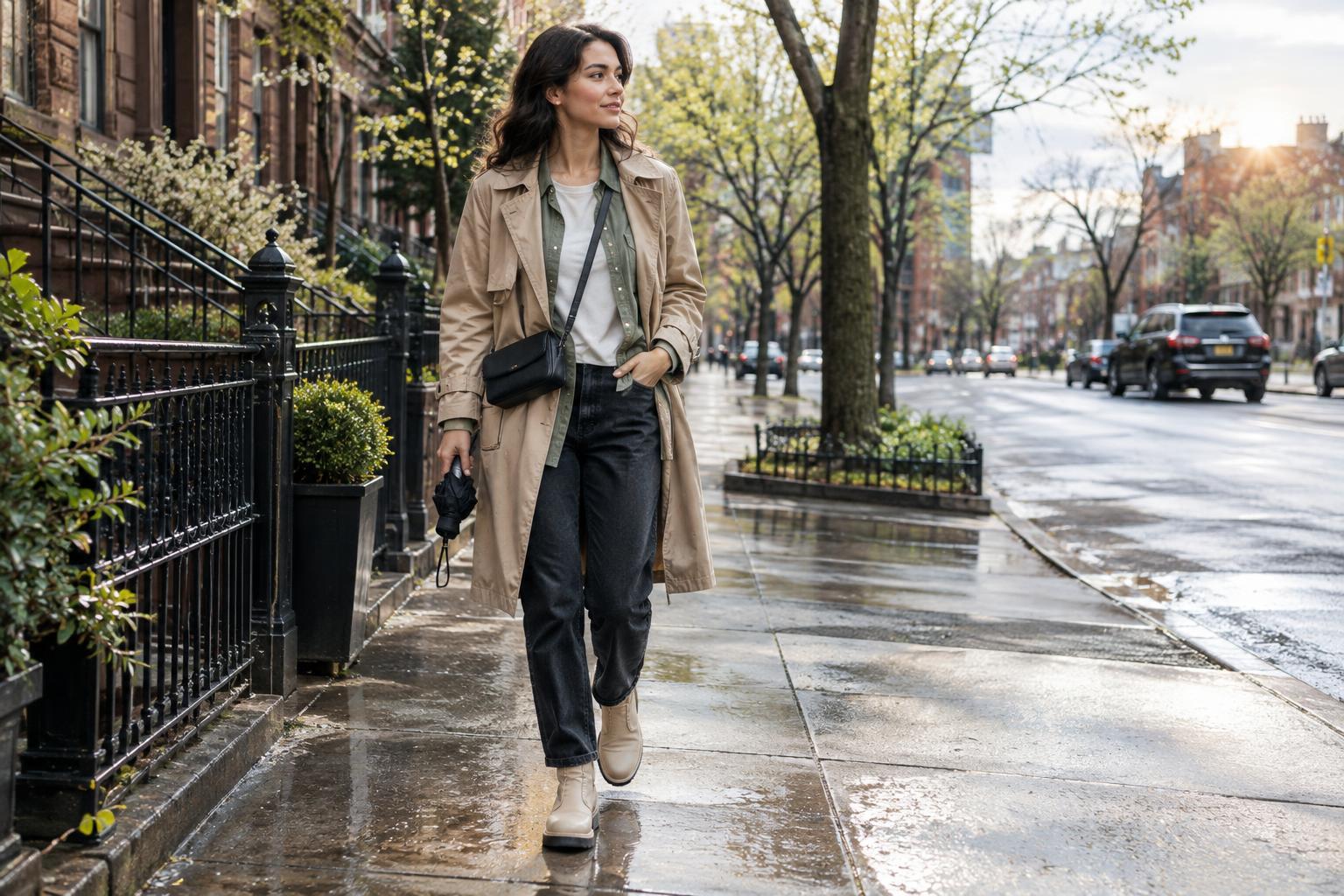
In a place with cool mornings and warm afternoons, focus on layers that are easy to carry, such as a cardigan, overshirt or light jacket. For long, cold winters, a warmer coat and insulating midlayers may deserve more of your budget. In a rainy climate, a suitable rain layer and shoes that tolerate wet pavements may matter more than extra sweaters. If heat dominates much of the year, prioritize comfortable lightweight clothing and consider sun coverage and breathable layers for air-conditioned spaces.
Fit matters when pieces are worn together. Before committing to a coat or jacket, try it over the thickest layer you expect to wear beneath it. Check that you can move your arms comfortably and that sleeves and hems provide the coverage you want.
Use seasonal changes to update outfits, not replace them
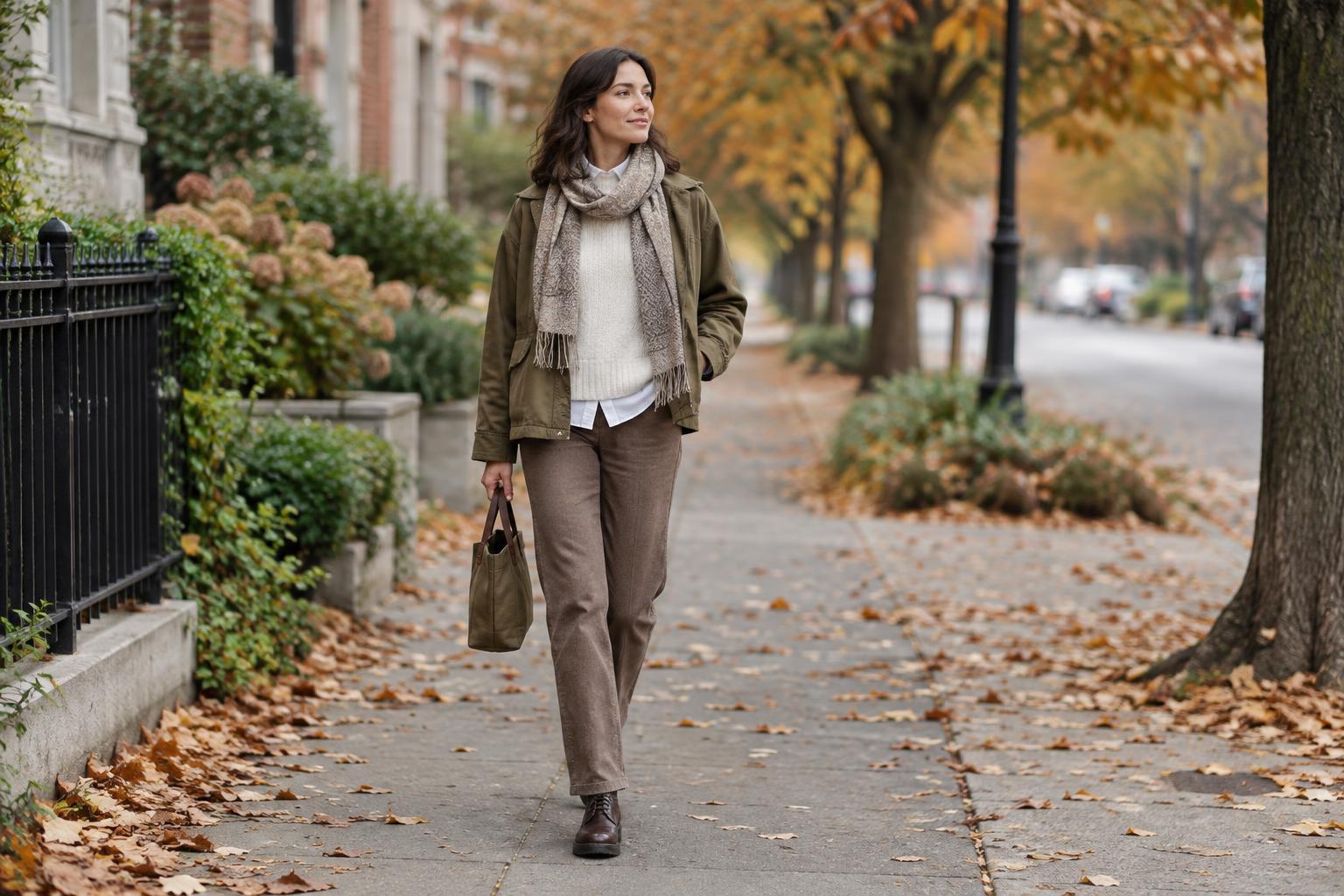
A practical four-season plan might keep the same trousers in rotation while changing what surrounds them. In spring, pair them with a light shirt and rain jacket. In summer, wear them with a short-sleeved top if the fabric feels comfortable in heat. In autumn, add a knit and sturdier shoes. In winter, use a warmer base layer and coat. Your exact combinations will depend on local temperatures and personal comfort.
Accessories can make small changes work harder. Socks, scarves, hats and bags affect both comfort and appearance without requiring a separate wardrobe for every season. Footwear deserves particular attention because the wrong pair can make an otherwise suitable outfit impractical. Think about the surfaces you walk on, how often your shoes get wet and whether you have room for warmer socks when needed.
Keep a short list of outfit formulas that already work, such as shirt plus knit plus trousers or dress plus overshirt plus jacket. When the season shifts, change one layer at a time. This makes it easier to see what is genuinely missing.
Review, care for and store what you own
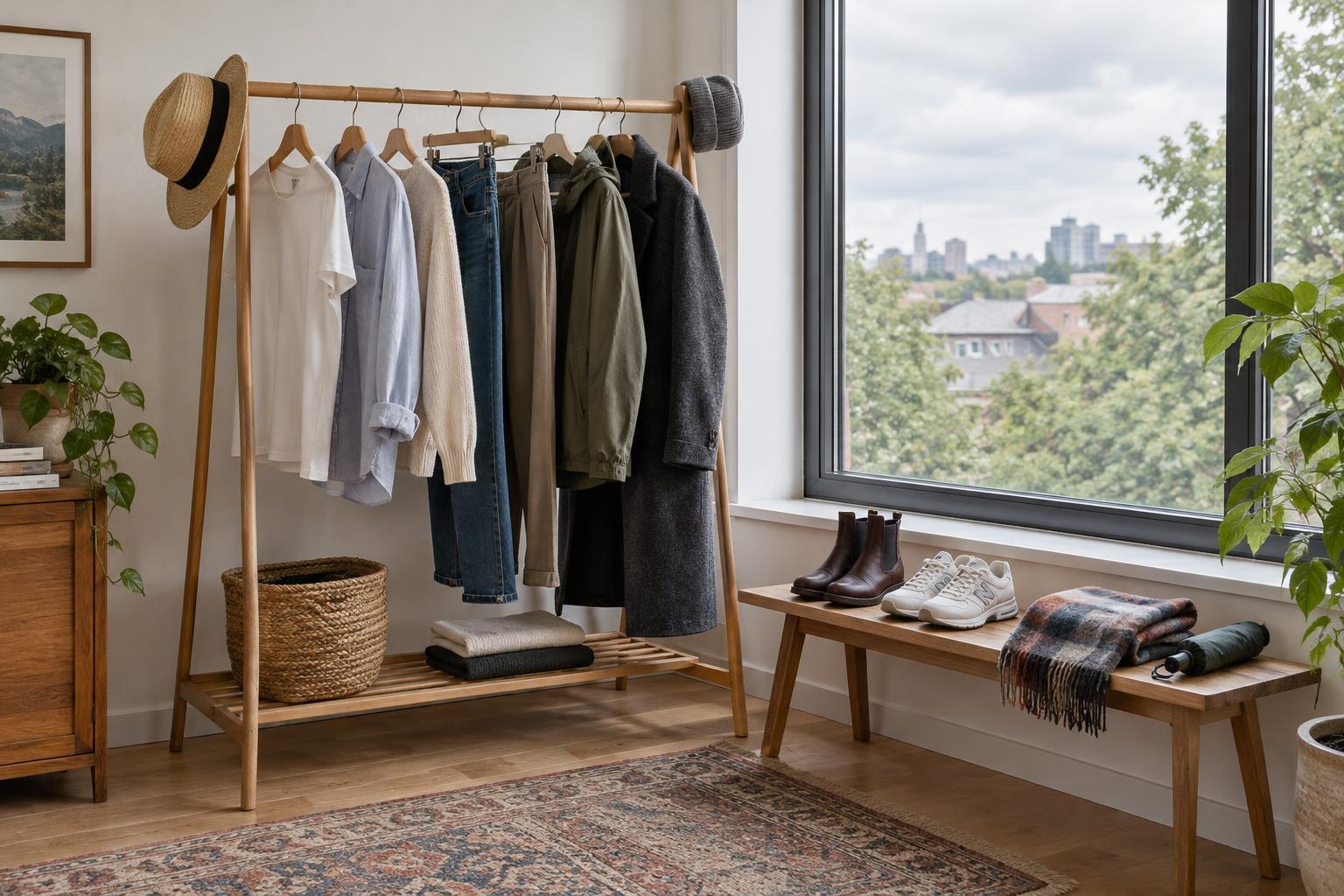
At each seasonal transition, spend a little time checking fit, condition and usefulness. Clean items according to their care labels before storing them, repair small problems where practical, and keep frequently needed layers within reach. If you have limited storage, move only the least useful pieces out of the main closet rather than packing away everything associated with a season. A surprise cold day is easier to handle when one warm layer remains accessible.
Keep a note of gaps you notice during real wear. “I need shoes that handle rain on my commute” is a better guide than “I need new autumn clothes.” Buying gradually gives you time to test what works and can help you avoid duplicates. As your routine or local conditions change, update the plan. A wardrobe built around your climate is not a fixed checklist; it is a set of dependable options you can adjust throughout the year.