Start with the week you actually have
A weekly outfit rotation is a small set of combinations you can return to, not a rule that assigns the same clothes to every Monday. Its purpose is to reduce decisions while making use of what you enjoy wearing. Before pulling items from your closet, look at a typical week. How many days call for work clothes, casual clothes, activewear or something a little more polished? Include your commute, the amount you walk and any dress expectations that affect what feels comfortable.
Then notice where getting dressed tends to stall. Perhaps your trousers are easy to choose but you never know which shoes work with them. Perhaps you have enough tops but run out of clean layers before the week ends. A useful rotation solves those specific problems. It does not need to account for every possible occasion; one or two flexible alternatives can cover the days that do not follow your usual pattern.
Build outfits around reliable anchors
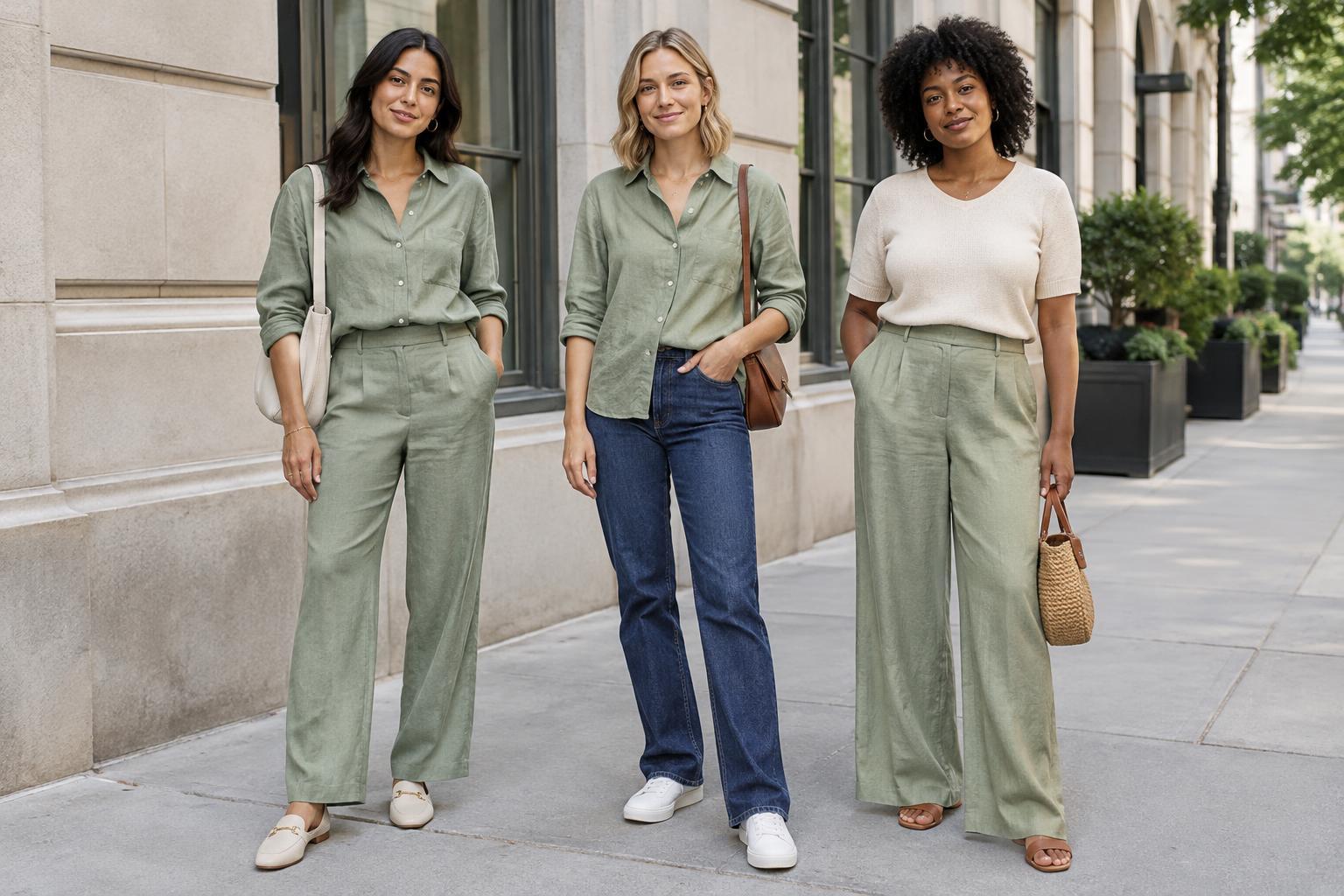
Choose a few pieces that fit well, suit your routine and are easy to wear repeatedly. These are your anchors: a pair of jeans, comfortable trousers, a skirt, a dress or another item you naturally reach for. For each anchor, try pairing it with two tops and at least one appropriate shoe option. This creates several combinations without requiring a separate outfit for every day. If a piece only works with one other item, it can still stay in your wardrobe, but it may be less useful as the foundation of a rotation.
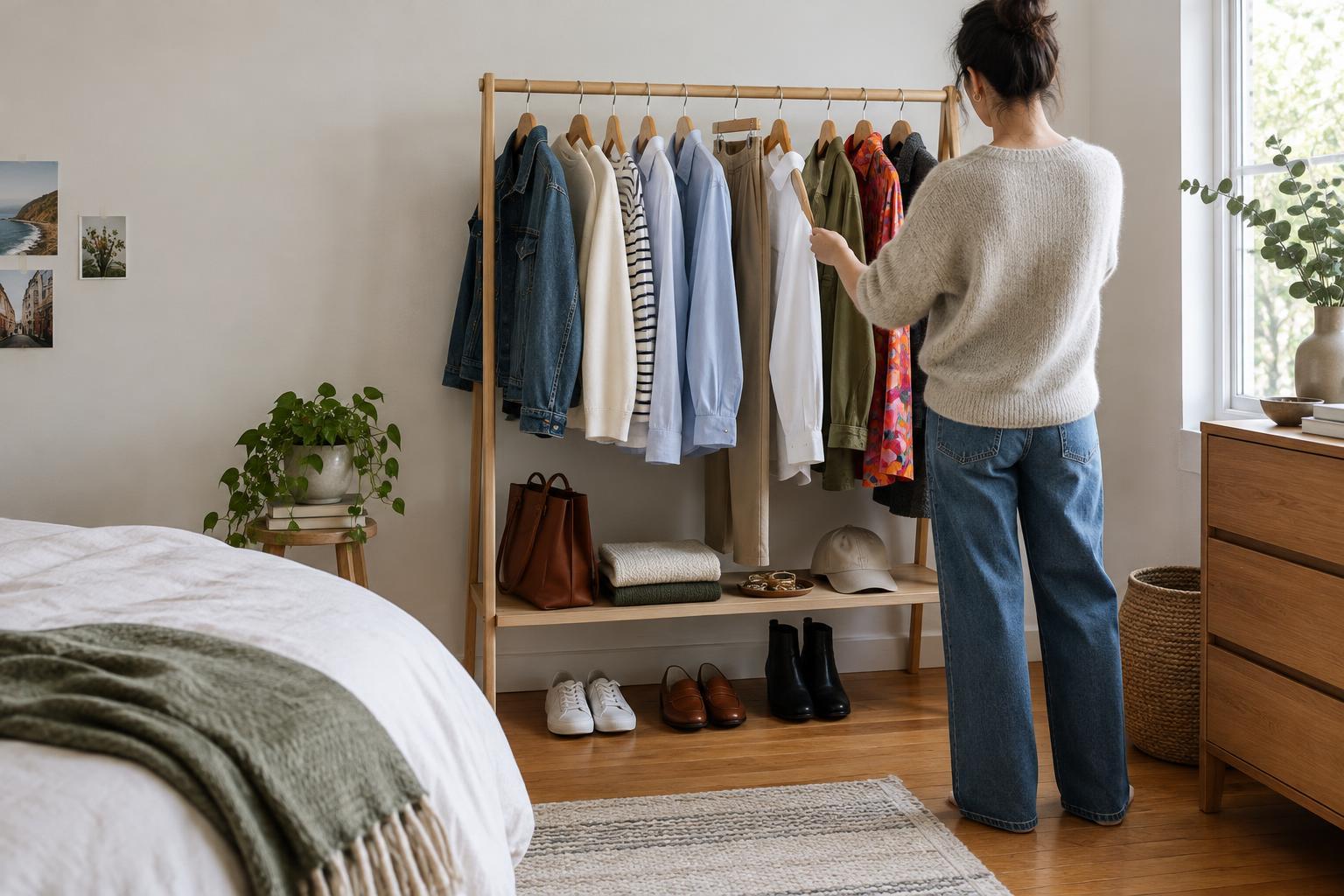
Lay the combinations out or try them on rather than assuming they will work. Check proportions, comfort when sitting or moving, and whether the layers feel right together. A loose shirt might work better with one pair of trousers than another; a jacket might change the feel of a simple dress. Make a quick note or take a photo of combinations you like. That record can help on busy mornings, especially if you tend to forget good outfits once the clothes go back into the closet.
Plan for laundry and changing conditions
A rotation only works if its key pieces are available when you need them. Consider how often you do laundry and which items you prefer to wash after each wear. You might wear the same outer layer or pair of trousers more than once, while using a fresh base layer each day. If your routine leaves a gap before laundry day, add another top or a second option for an essential item rather than planning an entirely new set of outfits.
Weather also calls for flexibility. Instead of treating each outfit as fixed, think in layers you can add or remove: a light knit, an overshirt or a jacket that works with several looks. Keep suitable shoes and an outer layer in mind when choosing combinations. The goal is not to predict every forecast in advance, but to avoid a rotation that falls apart as soon as the temperature changes or one item is in the wash.
Make repetition feel like your style
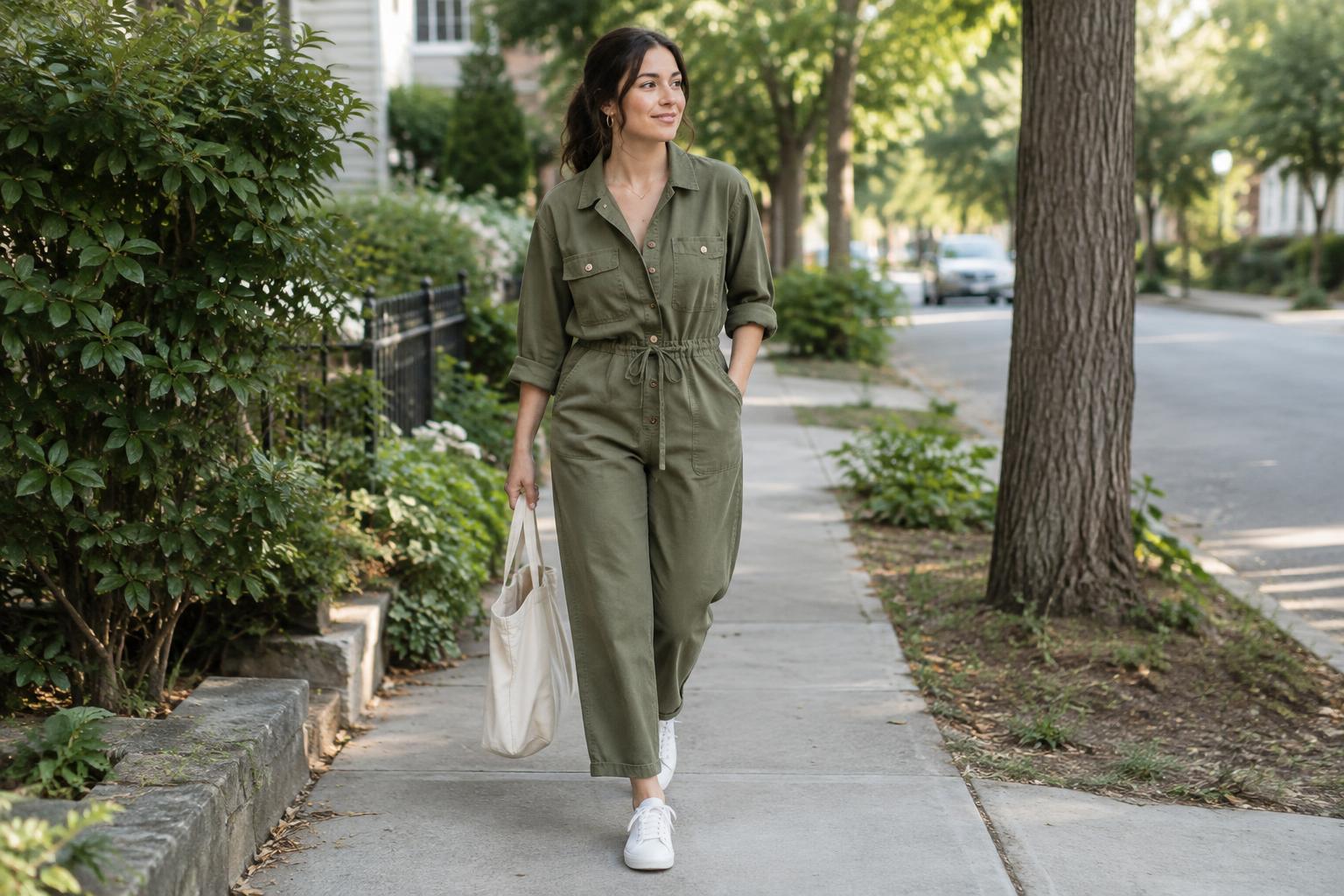
Repeating clothes does not mean repeating the exact same look. Small choices can shift an outfit’s mood: tuck a shirt or leave it loose, swap sneakers for boots, add a belt, or change a bag or scarf. If you enjoy color, choose a few shades that work with your anchors and rotate them through your tops or accessories. If you prefer a quieter palette, texture and shape can provide variety instead.
Keep these changes manageable. You do not need a large accessory collection to make a rotation personal, and you should not feel obliged to wear something simply to avoid looking repetitive. A dependable combination is valuable precisely because you like it enough to wear it again. Save more experimental pairings for days when you have the time and interest to try them.
Review, adjust and repeat
After a week or two, notice which planned outfits you wore and which you skipped. A skipped outfit may reveal a useful detail: shoes that hurt, a layer that feels too warm, or a combination that looks good on a hanger but not on you. Replace the troublesome part rather than abandoning the whole rotation. You can also leave one day unplanned if choosing an outfit spontaneously is something you enjoy.
As your schedule or the season changes, revisit the anchors and layers. Put the combinations you rely on within easy reach, and keep a short list of any genuine gaps you notice. That makes future shopping more intentional: you can look for an item that supports several outfits rather than buying something with no clear place in your week. A good rotation should save effort, use the clothes you have and still leave you room to dress like yourself.