Choose a set with more than one outfit in mind
Matching sets take some of the guesswork out of getting dressed: the color, fabric and overall mood have already been coordinated. The useful question before choosing one is not just “Do I like the complete look?” but “Would I reach for either piece on its own?” A shirt and trousers, a knit top and skirt, or a relaxed jacket and shorts can each serve different parts of a wardrobe.
Start with a shape you enjoy wearing. If wide-leg trousers are already a favorite, a matching top may be easier to use than a set built around a cut you rarely choose. Consider fabric, too. A soft knit can feel casual and comfortable, while crisp cotton often looks more structured. Think about the weather in which you expect to wear the pieces and whether you can care for the fabric in a way that suits your routine.
Let the complete set be the main event
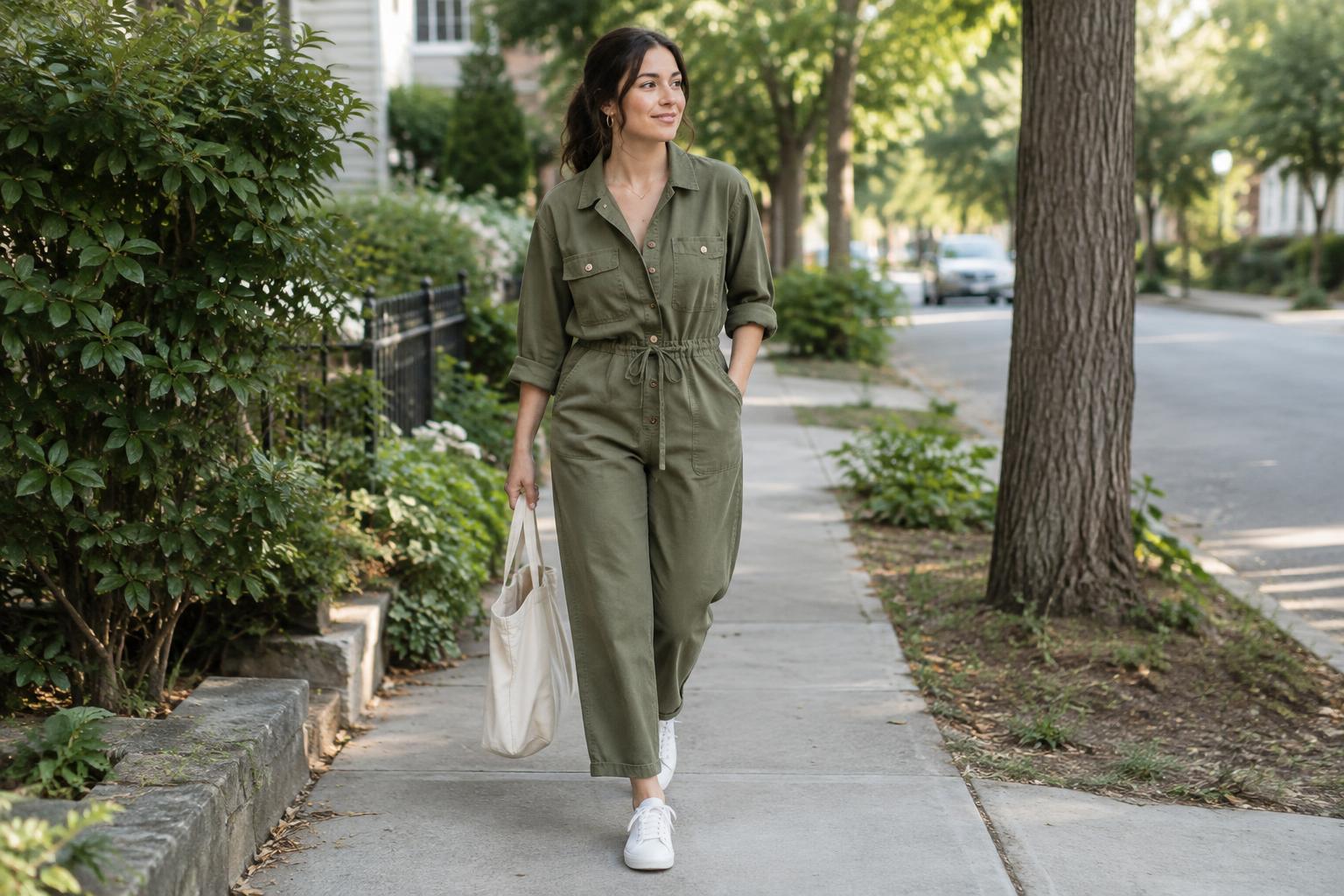
Worn together, a matching set creates a continuous look with little effort. You can keep the styling quiet with simple shoes and one practical accessory, such as a tote or crossbody bag. This works especially well when the set has a bold print, distinctive texture or strong silhouette. There is no need for every other item to compete for attention.
Small adjustments can change the mood. Wear a button-front top open over a plain T-shirt for a relaxed outfit, or tuck it in to give the waist more definition. Swap trainers for loafers, sandals or ankle boots according to the setting and season. If the two pieces feel too uniform, try a contrasting belt, a visible base layer or jewelry with a different texture. These additions introduce variety while keeping the ease of a coordinated outfit.
Build outfits around the top
Treat the top half of a set as a piece with its own possibilities. A printed matching shirt can brighten solid jeans, while a neutral knit top can sit comfortably with patterned trousers or a skirt. Repeating one color from the original set in your shoes or bag can make the new combination feel deliberate, but it is an option rather than a rule.
Proportion is another way to guide a pairing. If the set’s top is boxy, try it with a straighter or more fitted bottom when you want a clearer outline. A close-fitting top can balance roomier jeans or relaxed trousers. You can also layer a set top beneath an open overshirt or jacket, making it useful beyond the season in which you first wore the complete look. Experiment in front of a mirror and keep the combinations that feel comfortable in motion, not only when standing still.
Give the bottom half a different role
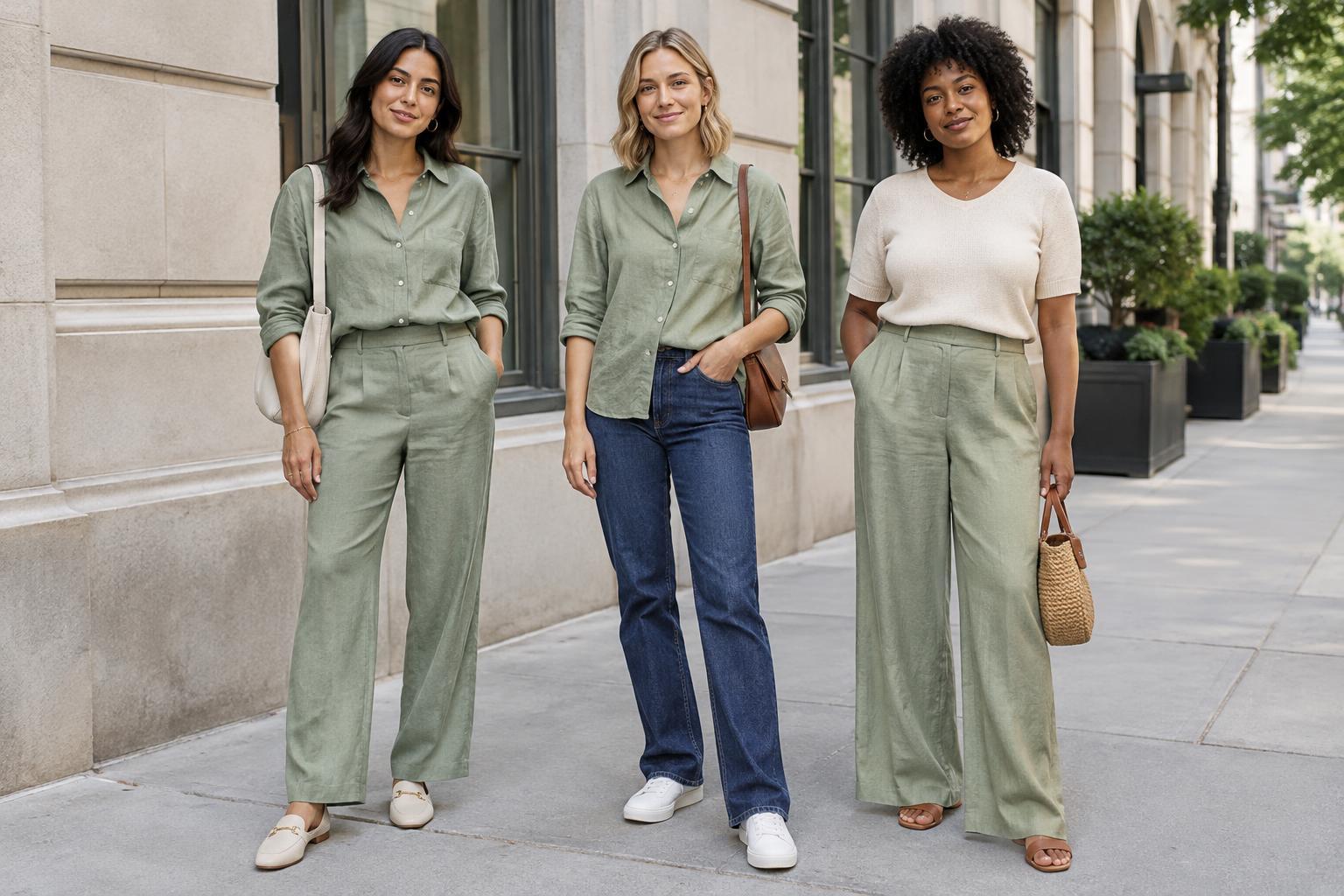
The bottom of a matching set can be just as versatile. Pair coordinated trousers with a plain tee for an easy daytime look, a lightweight knit for cooler weather, or a simple shirt when you want something tidier. A matching skirt might work with a sweatshirt and casual shoes one day, then with a fine knit and boots another. Changing the top often does more to shift the outfit than changing every accessory.
Use color as a starting point rather than trying to recreate the original match. A solid top in a shade found within printed bottoms can connect the pieces. With a solid-color set, try a neighboring shade for a soft look or a contrasting neutral for more definition. If the bottom has an unusual volume or length, test it with tops you already own before buying anything new. That helps reveal whether it genuinely expands your outfit choices.
Make the set work harder in your wardrobe
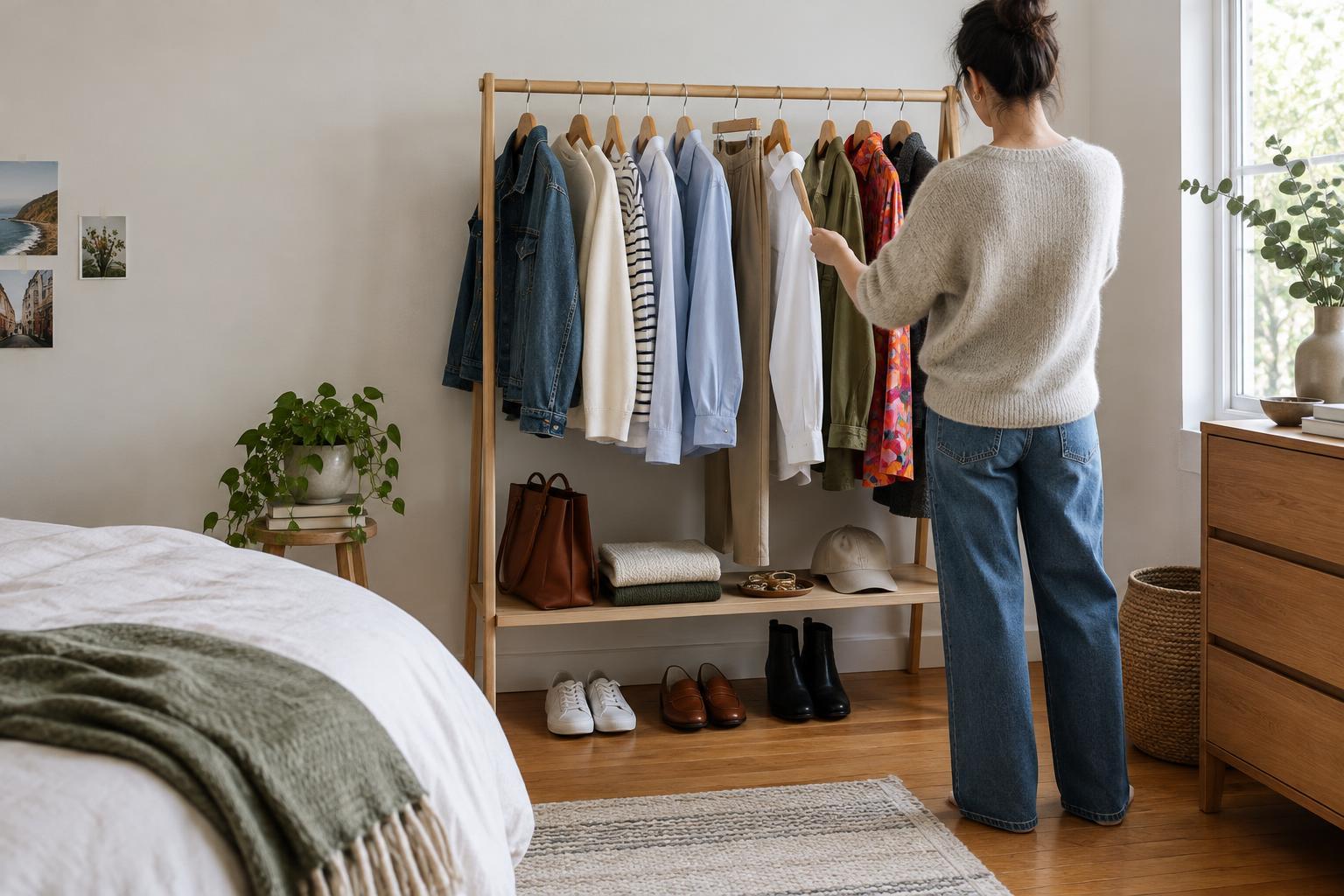
A useful matching set should offer more than a single complete outfit. Try planning three versions: both pieces together, the top with a familiar bottom, and the bottom with a familiar top. If one version feels difficult, a change of footwear, a different tuck or a layer may be enough to make it work. You do not have to force every possible pairing; a few outfits you enjoy are more valuable than many you will not wear.
Care helps the pieces remain a set, even when you wear them separately. Check their care labels and pay attention to anything that might alter color or texture, especially if one piece gets worn and washed more often than the other. Store them together if that makes planning easier, or place each piece near the clothes you like to pair it with. Either approach can help you remember that a matching set is both a ready-made outfit and two useful separates.