Start with the day, not the individual pieces
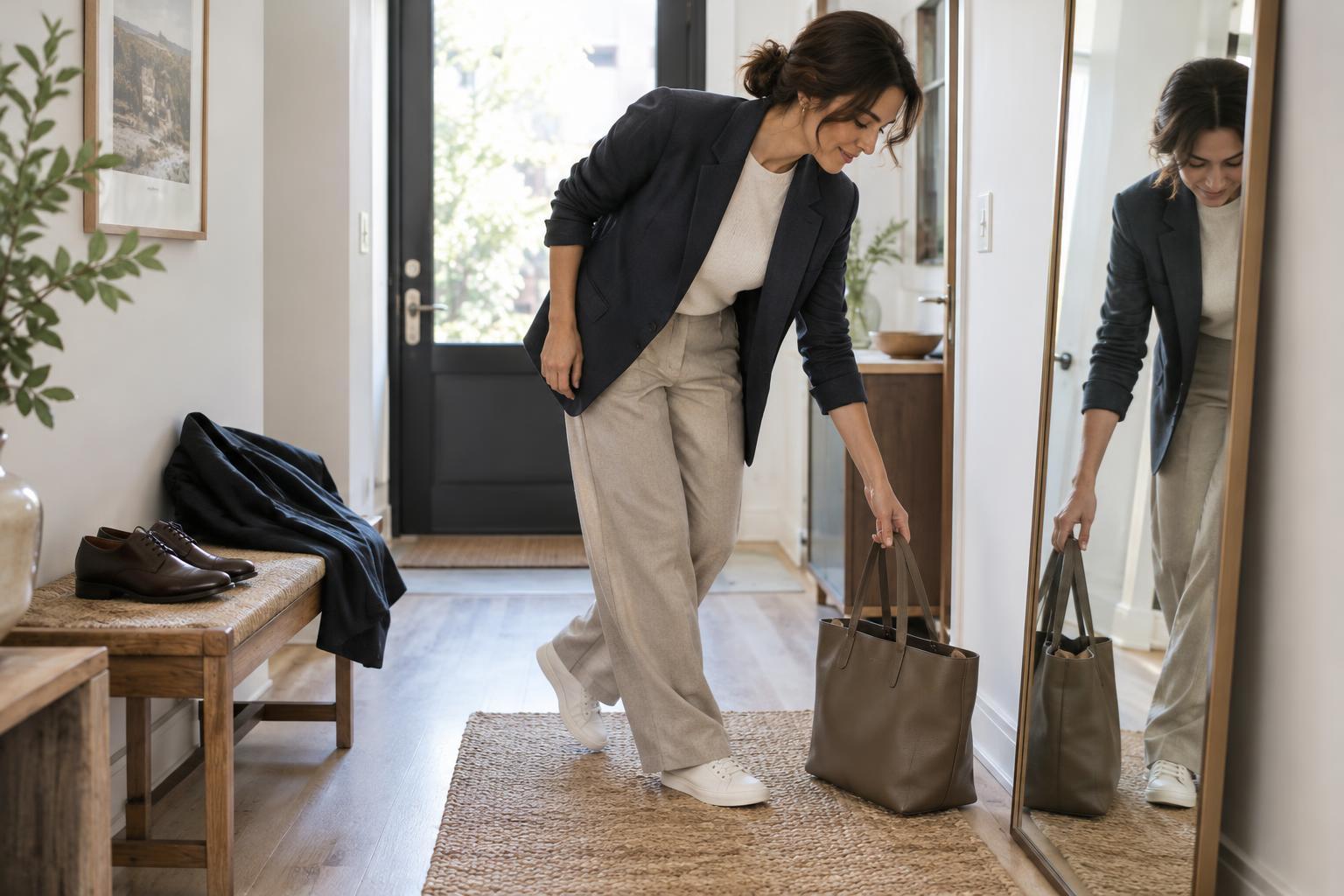
A good outfit does not need every item to match perfectly. It does need to work for the places you are going and the things you will do there. Before getting dressed, consider your likely activities: sitting, walking, carrying a bag, working indoors or moving between temperatures. This quick check can reveal problems that are easy to miss when you are looking only in the mirror.
Think of formality, movement and footwear as connected choices. A polished jacket may look less deliberate with very casual shorts than with relaxed trousers. Trousers may fit while you stand but pull when you sit. Shoes may complete the look yet feel awkward on your usual route. None of these combinations is automatically wrong; the aim is to notice when a styling choice makes the day less comfortable or the outfit less coherent.
Mistake one: Pieces that disagree on formality
Mixing dressy and casual items can create an appealing contrast. The trouble comes when that contrast seems unplanned. A crisp blazer over a plain T-shirt, for example, can look intentional if the trousers and shoes bridge the gap. The same blazer with heavily distressed casual pieces and formal shoes may feel pulled in several directions, depending on the setting.
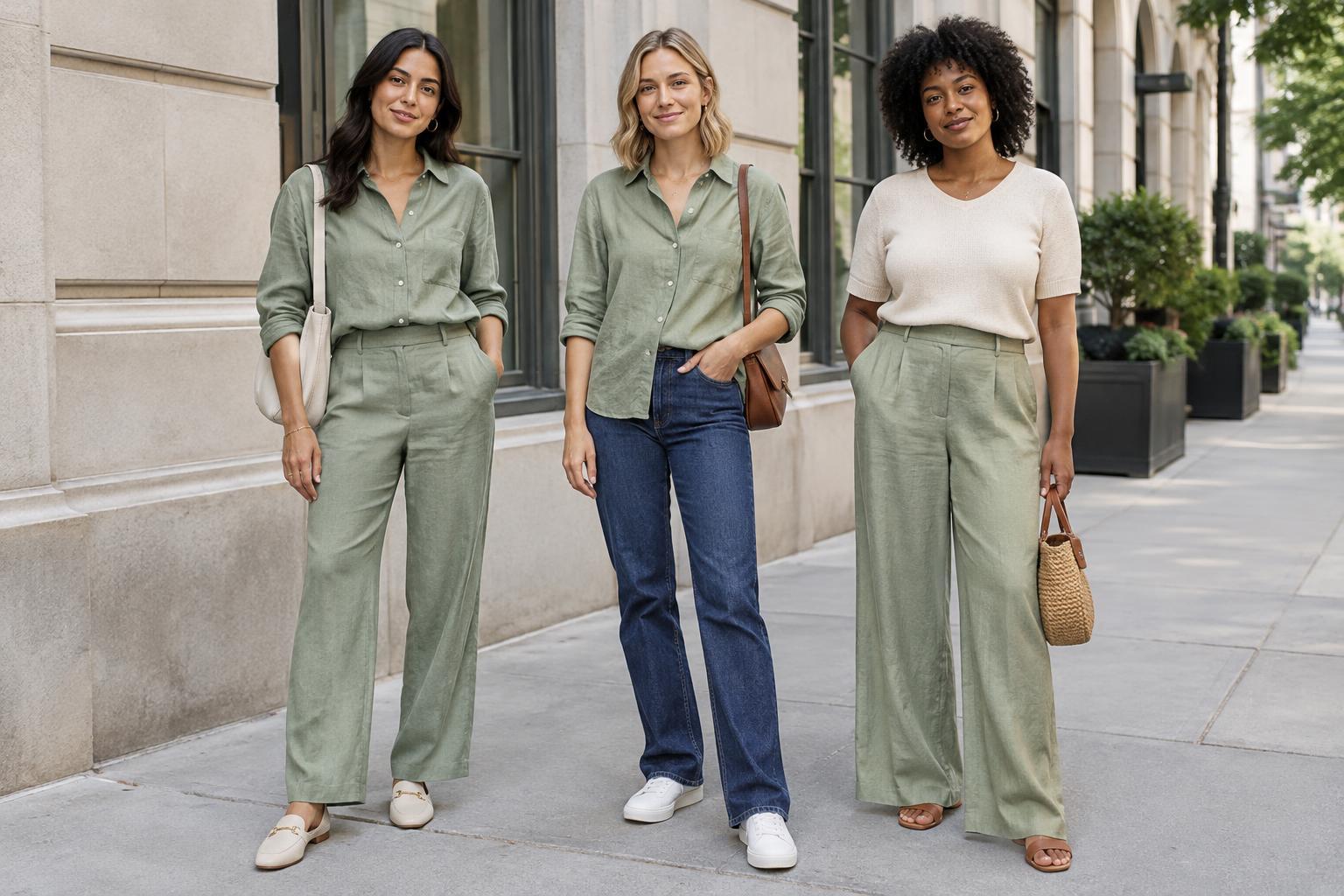
To bring an outfit together, choose one general level of dress and let one piece depart from it. You could soften tailored trousers with a simple knit and clean trainers, or sharpen jeans with a structured overshirt and neat boots. Texture and condition matter as much as the item names: a well-kept cotton shirt often reads differently from a rumpled one. If you are unsure, change one piece at a time rather than replacing the whole outfit.
Mistake two: Clothes that limit ordinary movement
An outfit can fit at the shoulders or waist and still be difficult to wear. Sleeves that ride up when you reach, a hem that needs constant adjustment, or a waistband that presses when you sit can distract you throughout the day. Before committing to a combination, try a few movements you expect to make. Sit down, bend, lift your arms and walk a short distance. Notice whether the clothes return to place without much fuss.
Small changes may solve the problem. A different size or cut can provide room without looking oversized, while a softer fabric or a layer with some give may make sitting and reaching easier. Check how pieces work together, too: a long, bulky top can bunch beneath a close-fitting jacket, even when each fits well alone. Comfort is not separate from style; clothes tend to look more natural when you can move freely in them.
Mistake three: Shoes chosen only for appearance
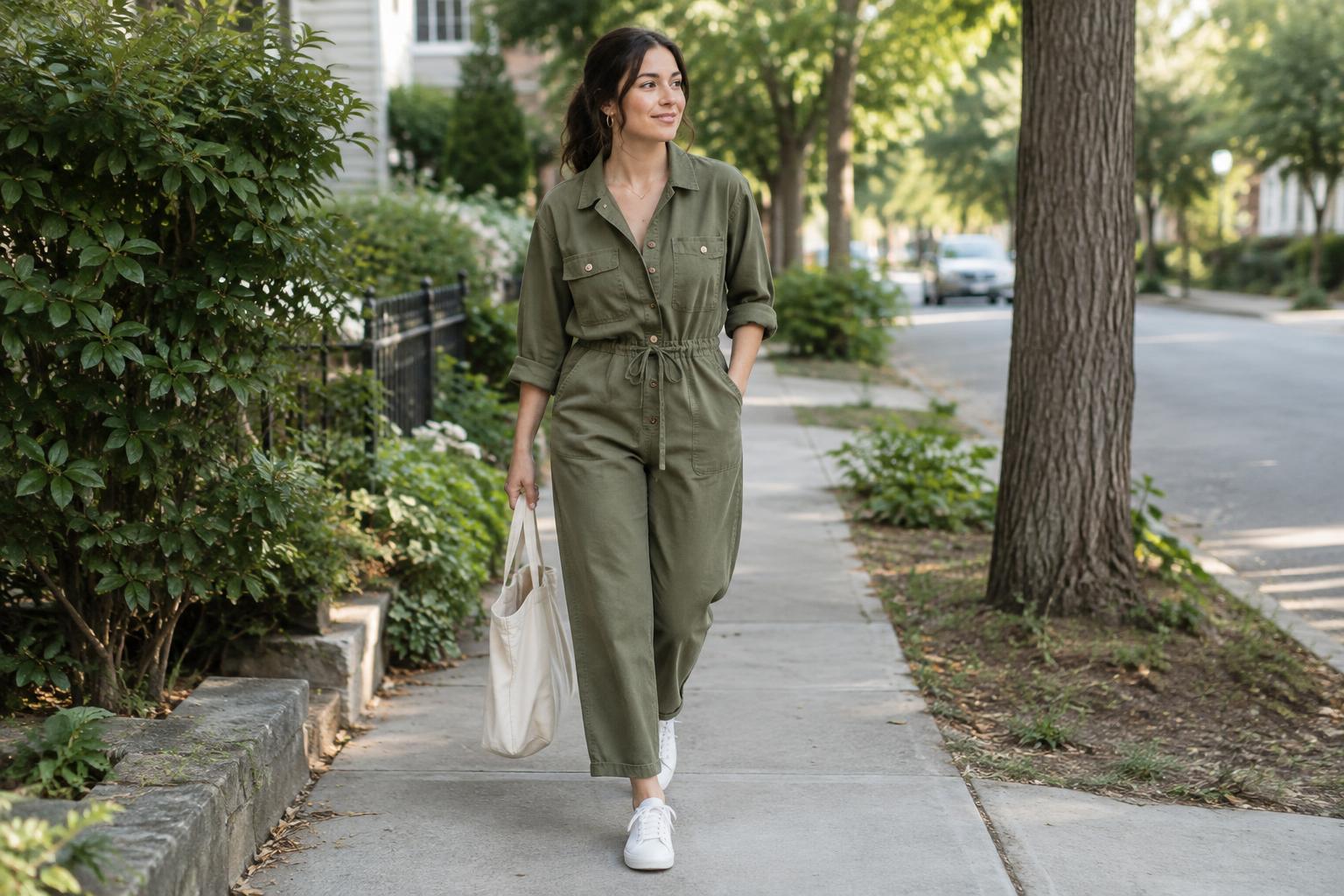
Shoes carry the demands of the day. A pair that looks right with an outfit may be a poor choice for a long walk, wet pavement or extended time on your feet. Consider the route and conditions alongside the silhouette. If your plans include a lot of walking, look for a pair that feels secure, has enough room for your toes and suits the surfaces you expect to cross.
You do not have to abandon the look to choose practical footwear. If delicate shoes would make an outfit difficult to wear, try a sturdier pair in a similar color or shape. Loafers, boots, flats and trainers can each work across different levels of dress, depending on their finish and what you pair them with. When possible, test a new pair on a short outing before relying on it for a full day. The best-looking option is not much use if you want to take it off halfway through.
Use a quick check before you leave
When an outfit feels off, ask three questions: Does its level of dress suit the setting? Can I move through the day without adjusting it repeatedly? Will these shoes work for where I am going? The answers give you a practical place to start. Change the item causing the most friction first, then look again at the whole outfit.
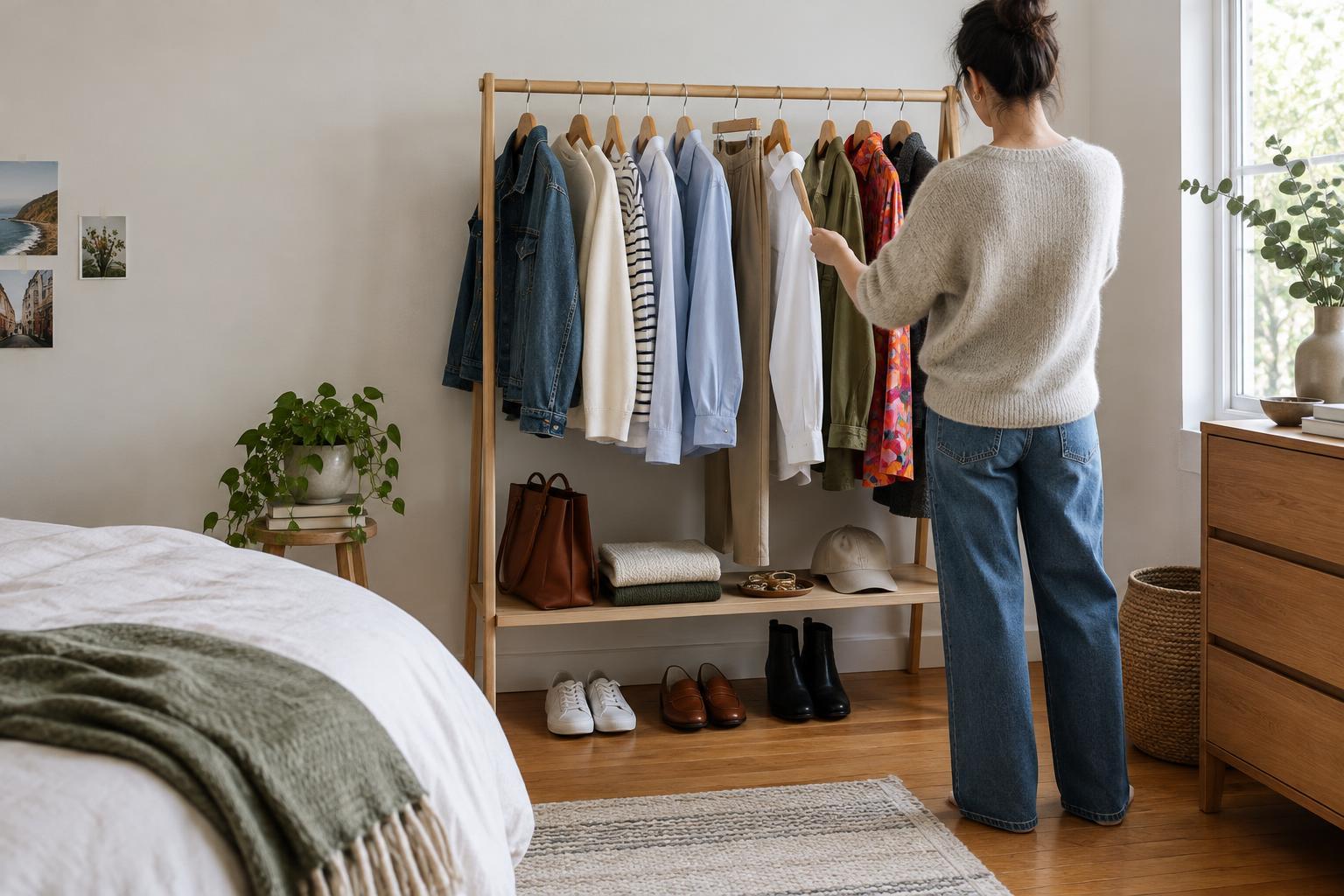
It can help to remember combinations that pass all three checks. A comfortable pair of trousers, a top you can move in and shoes suited to your routine form a reliable base. You can vary the colors, layers or accessories to express your style without rebuilding the outfit from scratch. Everyday dressing becomes simpler when your clothes support your plans instead of competing with them.