Start with a base outfit that can go either way
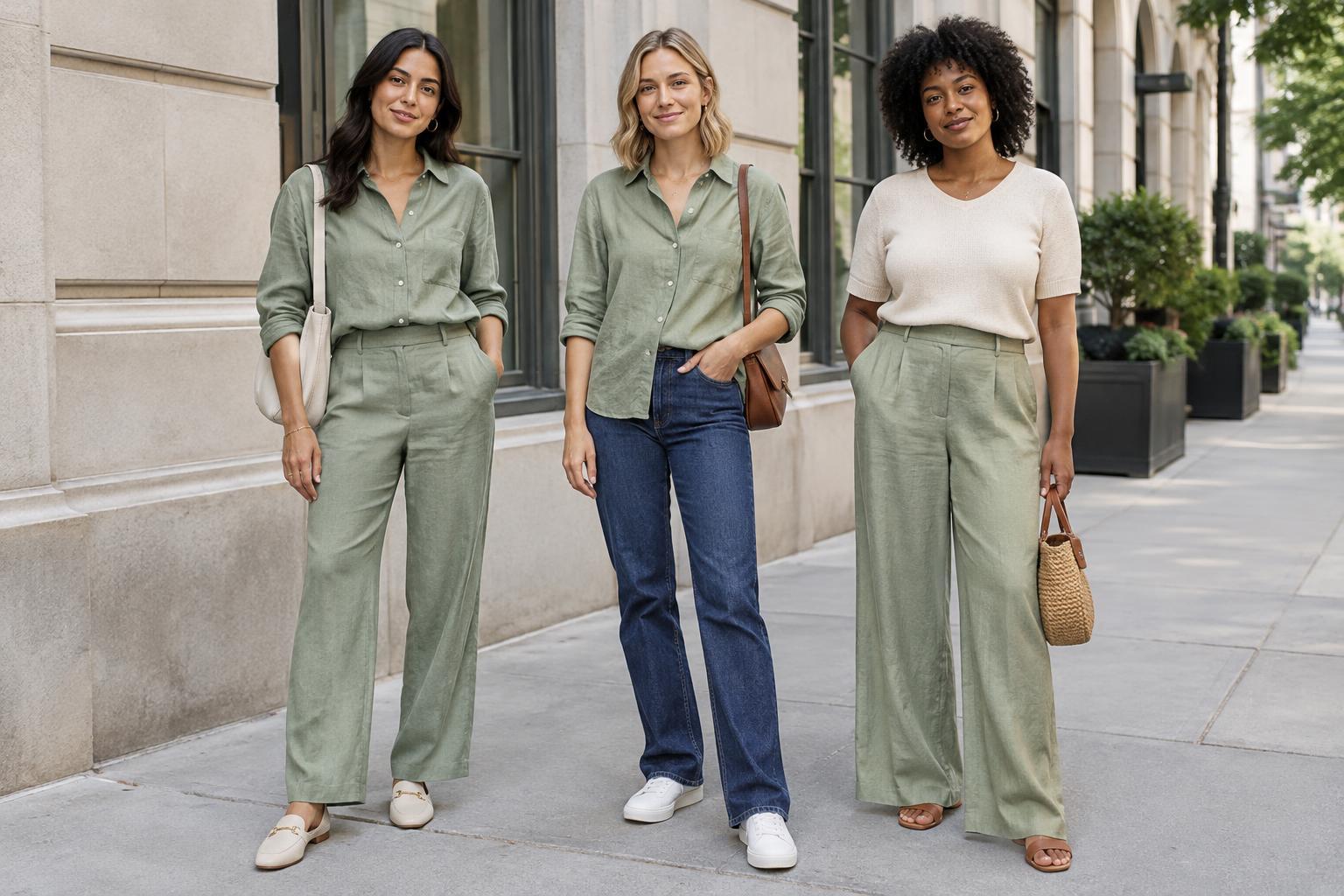
Layering is useful when your day includes different settings: a relaxed morning, a meeting, dinner or a change in weather. The easiest starting point is a simple base outfit that feels comfortable on its own. Straight-leg trousers and a plain top, dark jeans and a button-up shirt, or a skirt and a fitted knit can each take on a different mood when you change the layer above them.
Before adding anything, consider the level of formality you need. A neat casual outfit may be right for dinner with friends but not for an event with a stated dress code. Layers can shift an outfit’s impression; they cannot always make a very casual base suitable for every occasion. If you know you will need a polished look later, begin with clean, well-fitting pieces and build the casual version around them.
Choose structure to dress an outfit up
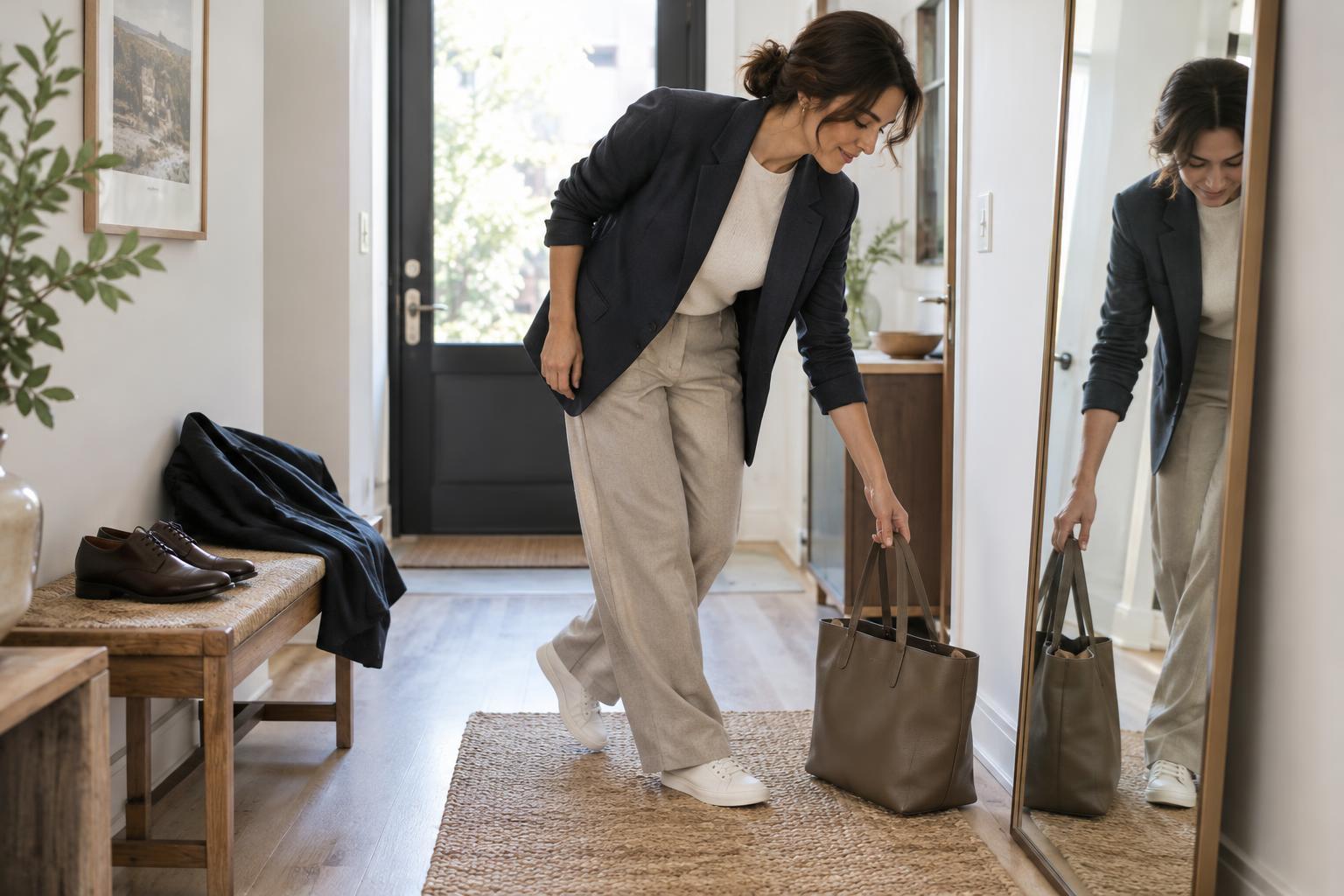
A structured outer layer gives an outfit a more deliberate shape. Try a blazer over a T-shirt and trousers, or a tailored jacket over a simple dress. A crisp overshirt can provide a smaller step up from a hoodie without feeling overly formal. Defined shoulders, a tidy collar and a hem that sits where you want it tend to look more polished than a layer that bunches or hangs awkwardly.
Fabric matters as much as the garment name. A smooth, substantial jacket often reads differently from a soft, faded version of the same style. Fit matters too: you should be able to move comfortably, and the layer underneath should not pull at the sleeves or collar. If a blazer feels too stiff for your taste, a fine-gauge cardigan or an unstructured jacket can offer a quieter version of the same effect.
Use softness and openness to make it feel relaxed
To make an outfit less formal, swap a tailored top layer for one with a softer shape. An open cardigan over a shirt, a denim jacket over a dress, or a relaxed overshirt over a plain tee can make the same base outfit feel easier. Leaving a layer open often creates a more casual impression than fastening it neatly, while also showing more of the clothes underneath.
You do not have to change every piece at once. A shirt under a relaxed knit still looks considered, especially if a little collar or cuff shows. Conversely, a sweatshirt under a structured coat creates contrast: the coat adds polish, while the sweatshirt keeps the outfit from feeling too dressed up. If the layers compete for space, choose a thinner inner piece rather than sizing up every garment.
Pay attention to what remains visible
The visible edges of an outfit help set its tone. A neat collar, smooth cuffs and an even hem can make casual pieces look intentional. For a more formal result, tuck or smooth the base layer before adding a jacket, and check that the neckline sits cleanly. For a relaxed result, let a longer tee show beneath a shorter overshirt or roll up a jacket’s sleeves, provided the proportions feel balanced to you.
Think about the layer you may remove, too. A smart coat can make an outfit look polished on arrival, but it will not carry that effect once it is hanging on a hook. If you expect to take off your outerwear indoors, make sure the remaining layers work for the setting. A compact cardigan, vest or light jacket can provide warmth without leaving you with a base outfit that feels unfinished.
Build a small layering plan for real life
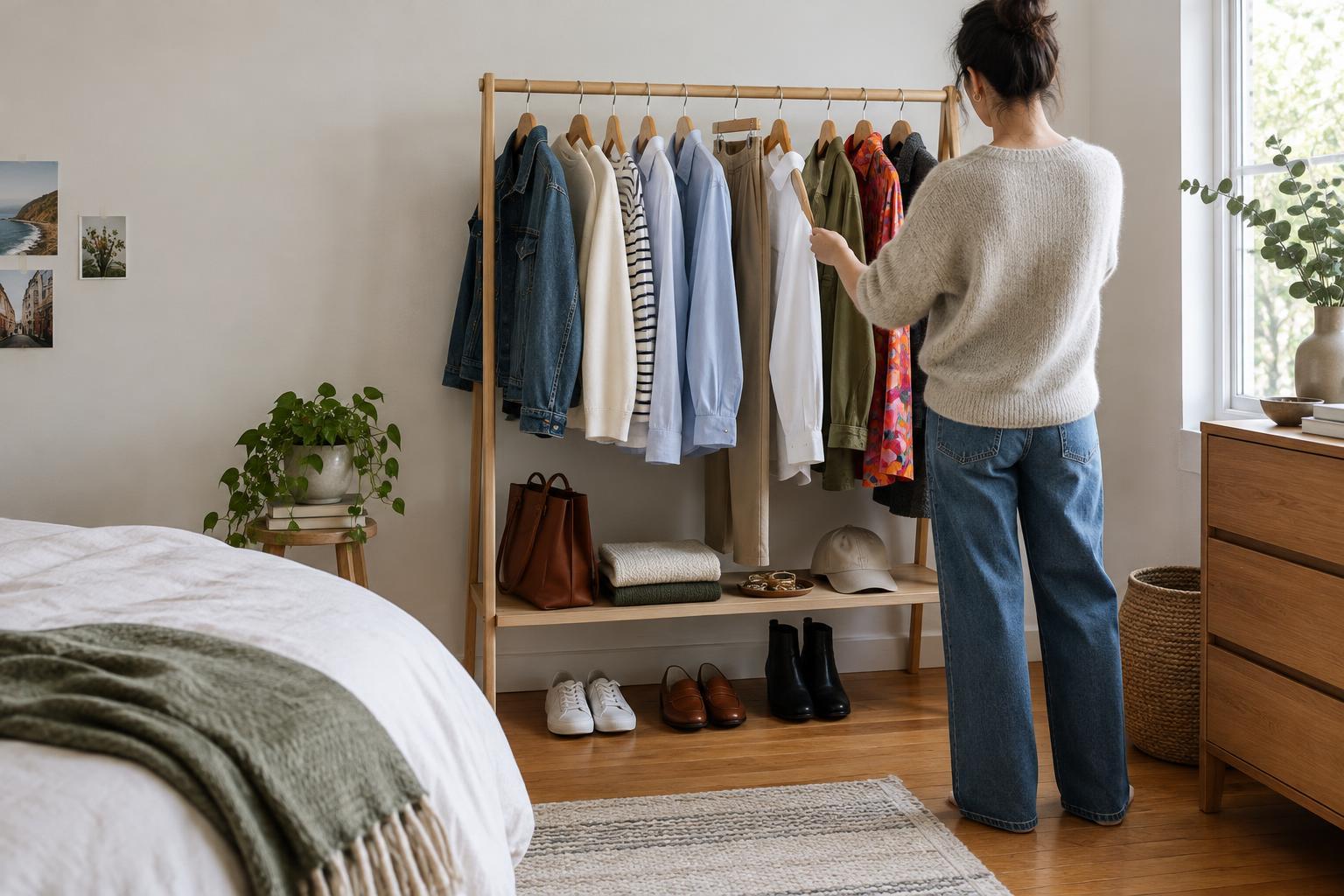
Try one base outfit with three top layers: perhaps a blazer, a cardigan and an overshirt. Notice how each changes the outfit alongside the shoes and accessories you already plan to wear. A tailored layer may feel less formal with casual shoes; a soft knit may look dressier when the rest of the outfit is neat. There is no fixed ranking that works for every fabric, color or setting.
Practical details make layering easier to repeat. Check that you can sit, reach and walk comfortably in the full outfit. In warmer conditions, a light layer you can carry may be more useful than a heavy one you must wear all day. Hang jackets so they keep their shape, follow their care labels, and give frequently worn layers time to air between wears. The best layering choice is one that suits both the occasion and the way you actually move through it.