What happens when fabric shrinks
Shrinkage is a change in a garment’s dimensions, but it does not happen for just one reason. Fibers can contract, yarns can settle closer together, or the structure of a fabric can change during washing and drying. A shirt may become shorter while its width barely changes; a knit may lose length and become wider. The result depends on the fiber, the way the fabric was made and how the garment was finished.
Some fabric is held under tension during manufacturing. Water, heat and movement can let it relax toward a less stretched state. This helps explain why a new garment may change more on its first wash than on later ones. A “preshrunk” label suggests the fabric has been treated to limit this effect, not that its fit can never change.
Why fiber type and construction matter
Cotton and linen can shrink as their yarns relax in water, particularly when followed by a hot dryer. Rayon and other regenerated cellulose fabrics may also change shape when wet; some require especially careful handling because they can be weaker or less stable in that state. Wool is different: heat, moisture and agitation together can cause its fibers to lock more tightly, making a garment smaller and denser. This change, often called felting, can be difficult to reverse.
Synthetic fibers such as polyester often resist ordinary wash shrinkage better than many natural fibers, but they are not immune to damage or shape changes from excessive heat. Blends need care based on the garment as a whole, not just the fiber named first on the label. Construction matters too. A loosely knitted sweater can stretch or contract more visibly than a firmly woven shirt, and trims, linings or seams may respond differently from the main fabric.
Build a lower-risk wash routine
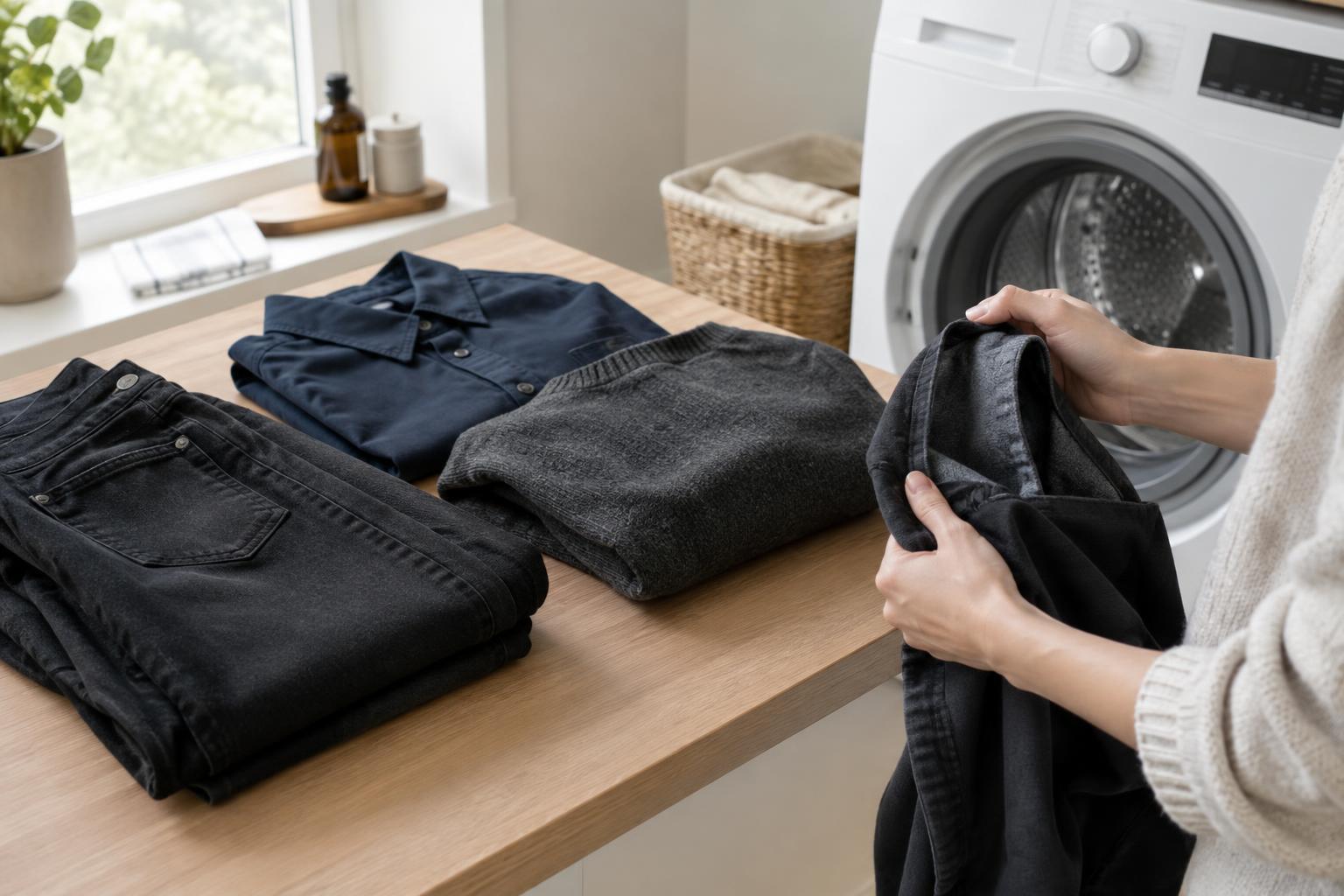
Start with the care label, especially for an unfamiliar garment. It may specify a maximum wash temperature, a gentle cycle, hand washing or professional cleaning. If the label permits machine washing, cool water and a gentle cycle are sensible defaults when preserving fit is the priority. Sort clothes by care needs as well as color so a delicate knit does not have to endure the same cycle as sturdy towels.
Turn garments inside out when appropriate, leave enough room in the machine for them to move, and use a mesh bag for small or delicate pieces. Avoid heavy agitation and repeated washing when airing out or spot cleaning would be enough. These habits cannot guarantee that nothing will shrink, but they reduce unnecessary stress on the fabric. For an item marked dry clean only, do not assume a cool home wash is a safe substitute.
Dry with the garment’s shape in mind
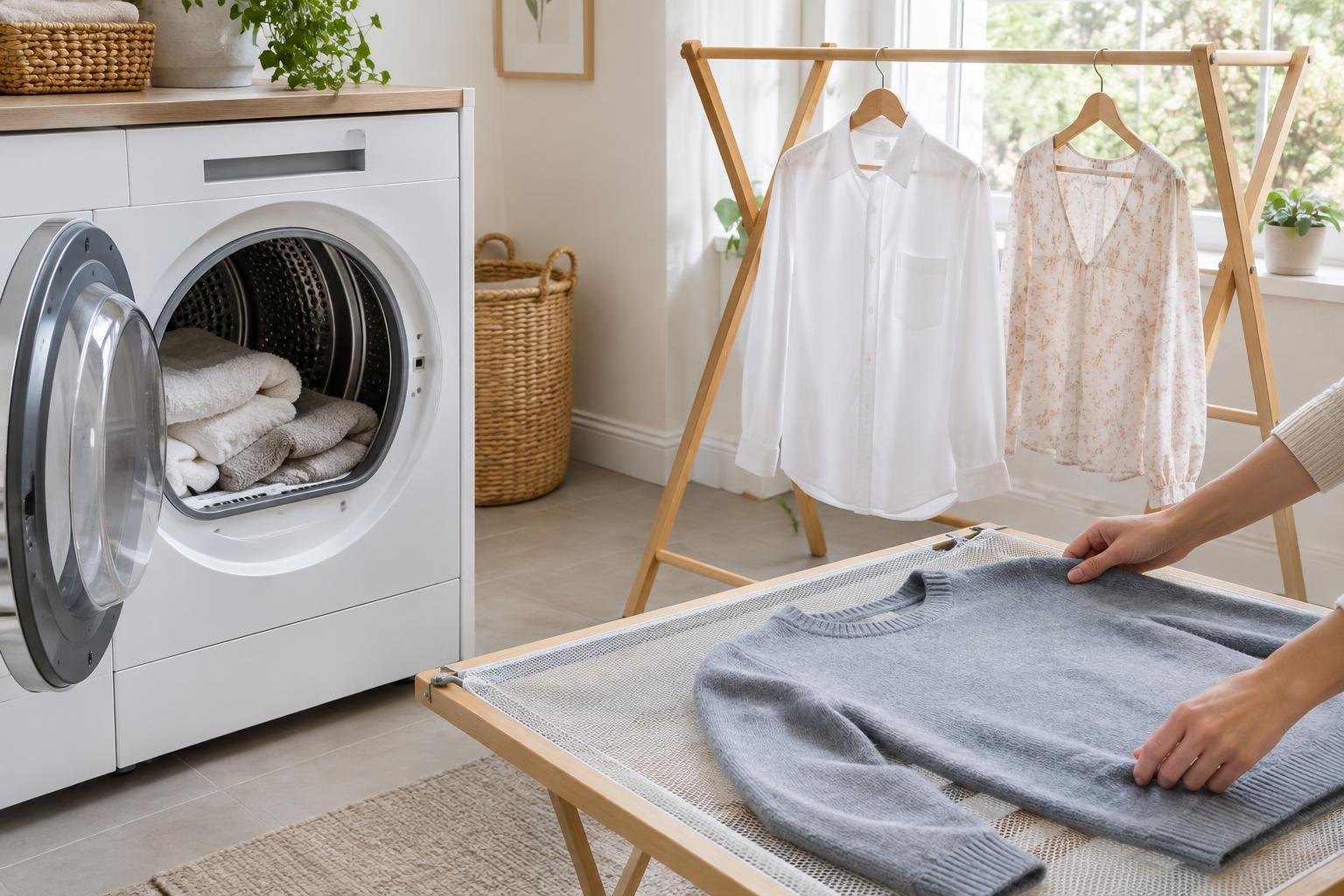
The dryer is a common source of unwanted size changes because it combines heat and tumbling. Check whether tumble drying is allowed before using it, and choose a lower heat setting when the label offers that option. Taking clothes out while slightly damp can reduce time spent in heat, though they still need to finish drying thoroughly. If air drying, allow space for airflow rather than leaving garments in a damp pile.
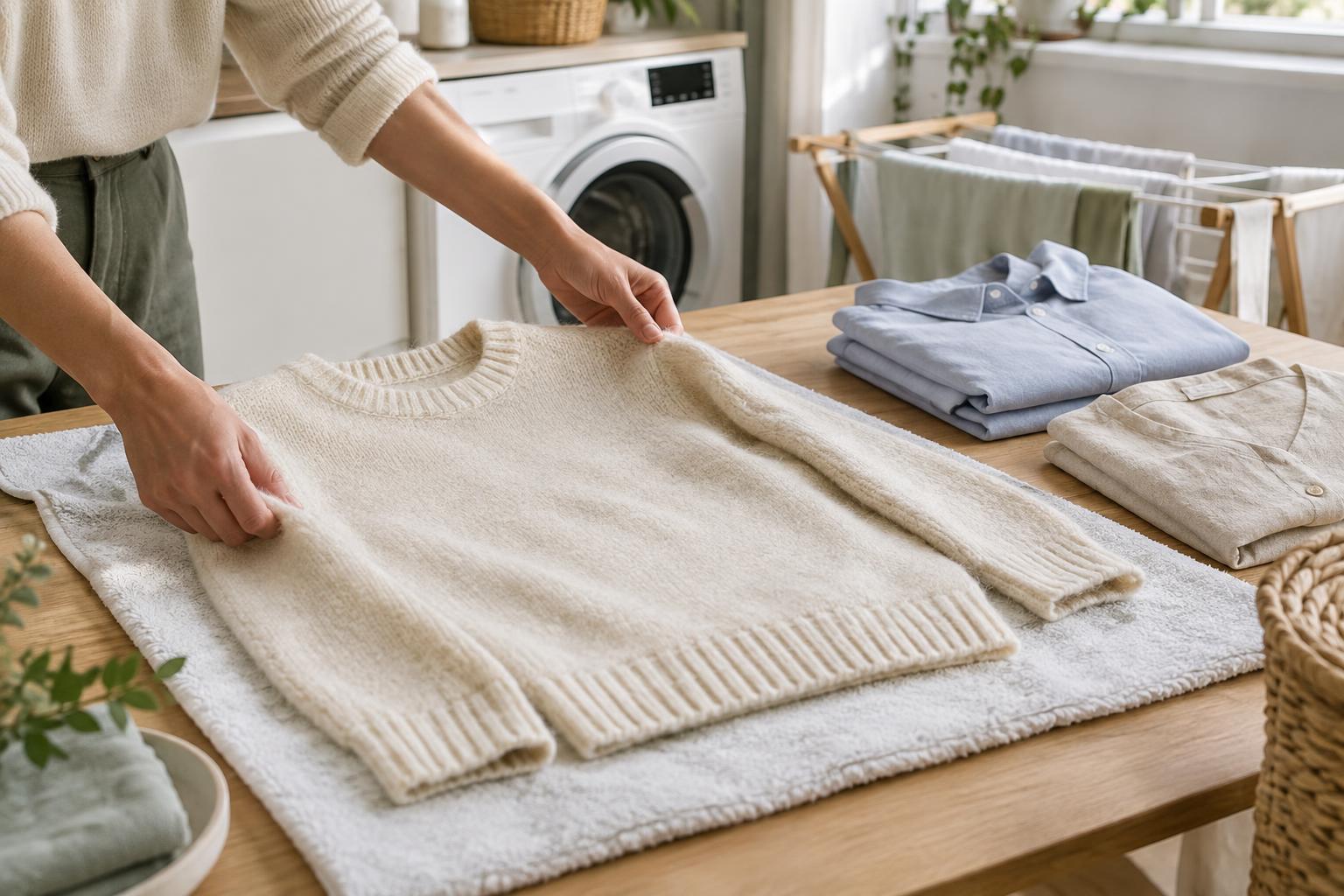
How you position a wet garment matters. A heavy sweater may lengthen under its own weight if hung from the shoulders. Lay it flat on a suitable drying surface and gently arrange it to its intended shape instead. Woven shirts and lighter items can often be hung if their labels allow it. Avoid pulling aggressively to make a garment larger: that may distort seams or create an uneven fit.
What to do if something has already shrunk
First, check whether the change is actually shrinkage. A knit that looks smaller straight from the wash may recover some of its shape when gently smoothed and dried flat. If an item is still damp, carefully ease it toward its original measurements without tugging at one spot. You can use a similar garment that fits well as a visual guide.
Once fibers have felted or a fabric has changed substantially, restoring the original fit may not be possible. Resist harsh stretching, high heat or repeated soaking in the hope of a quick fix; those steps can cause more damage. If the piece remains wearable, consider styling it differently, passing it on, or having a simple alteration assessed where practical. For future purchases, leaving a little room in the fit and following the care label from the first wash can help a favorite item stay useful longer.